Addiction remains misunderstood despite clear medical consensus

Simon Mott
- Published
- Lifestyle
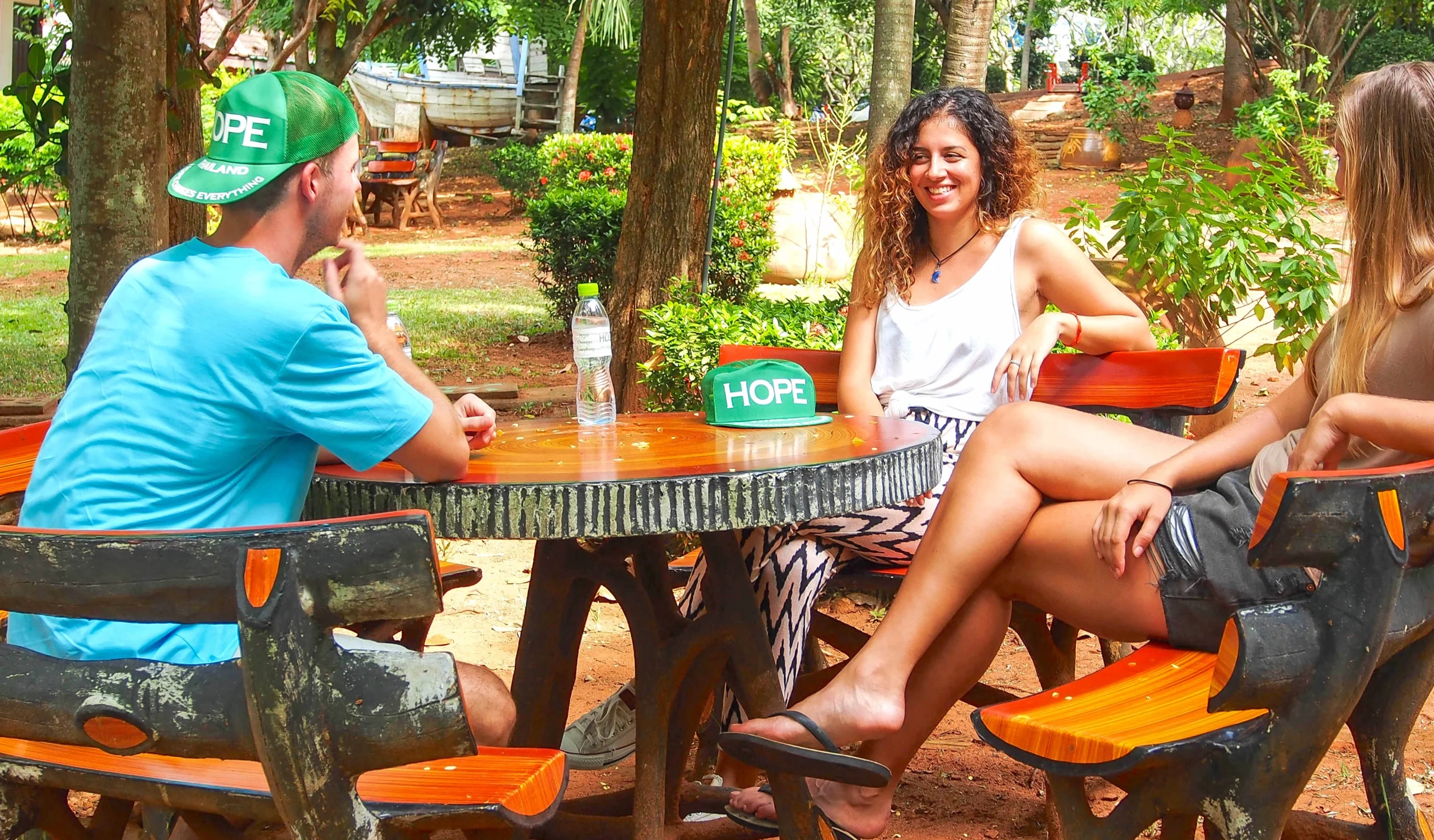
Nearly 15 years after the American Society of Addiction Medicine issued its landmark definition of addiction as a chronic brain disease, many still dismiss sufferers as lacking willpower. Here, Simon Mott of Hope Rehab Thailand sets out the science, its significance, and the dangerous persistence of these misconceptions
More than a decade ago, the American Society of Addiction Medicine (ASAM) issued a landmark definition that settled a long-standing dispute over whether addiction is a disease of the brain or a failure of will.
After a four-year process involving more than 80 experts, ASAM declared in 2011 that addiction is “…a primary, chronic disease of brain reward, motivation, memory and related circuitry. Dysfunction in these circuits leads to characteristic biological, psychological, social and spiritual manifestations. This is reflected in an individual pathologically pursuing reward and relief by substance use and other behaviours.”
In other words, addiction cannot be dismissed as a by-product of another disorder. Trauma, stress or mental illness may set it in motion, but once it takes hold it becomes a primary condition, altering the brain in ways that require specific treatment.
That conclusion continues to underpin treatment approaches today and remains the foundation of modern addiction science, reflected in the hallmarks of the disease itself: the inability to abstain, loss of control, overpowering cravings, diminished recognition of harm and distorted emotional responses.
Treatment specialists, including world-leading centres like Hope Rehab in Thailand, saw ASAM’s definition as a validation of what those in recovery had long argued. For decades, alcoholism had been widely described as a disease — a view embedded in the founding of Alcoholics Anonymous in 1939 — and many hoped the science would finally settle the debate.
But despite ASAM’s definitive judgement nearly 15 years ago, many outside of the treatment community still view addiction as weakness, lack of discipline or moral failing.
The assumption is understandable, but it is wholly and factually wrong — and dangerously so. Like other chronic illnesses, addiction moves in cycles of relapse and remission and, without intervention, is progressive, often leading to disability or premature death.
Cravings, we know, are not ‘failures of willpower’ but the product of neurological change. Addiction develops when the brain’s reward system, designed to reinforce survival behaviours such as eating or nurturing relationships, is hijacked by substances or compulsive actions. Flooded with dopamine, the brain is convinced that the addictive behaviour is essential. Over time this corrupted circuitry pushes food, family and work aside, and the memory of the drug or behaviour can remain stronger than the substance itself, which is why relapse often occurs long after detoxification.
Outside of the treatment community, people often wonder why some become addicted while others do not, a question that fuels the addiction vs willpower debate. The truth is that vulnerability differs from person to person. Low dopamine levels caused by stress, genetics, poor sleep, malnutrition or even certain medications can increase the risk, making substances far more attractive to the brain’s reward system. This helps explain why many turn to drugs or alcohol as a form of self-medication: alcohol to ease anxiety, opiates to dull pain or aggression, stimulants to fight fatigue, or cocaine to lift depression and low self-esteem.
Once established, however, the effects of addiction are biological, psychological, social and spiritual, often marked by disconnection, loss of faith and hopelessness. The consequences can be seen in broken relationships, abandoned careers, diminished freedoms and, all too often, in life-threatening decline. Symptoms such as compulsive behaviour, impaired decision-making, obsession, anxiety, depression, mood swings, denial and loss of motivation are therefore not signs of “weakness” or of limited willpower but evidence of a brain struggling with altered circuitry.
Whilst science has given us a definition of what addiction is, it is yet to offer a cure. Like diabetes or cardiovascular disease, it is best understood as a chronic condition that must be managed across a lifetime. Medication can support recovery, but clinicians emphasise that it is medication-assisted therapy, not therapy-assisted medication. Or to put it another way, medicines may help to stabilise brain chemistry and ease withdrawal, but it is therapy that does the heavier lifting — challenging distorted thinking, building new behaviours and sustaining long-term change.
Successful treatment therefore relies on addressing not only the biological changes in the brain but also the psychological, social and environmental triggers that sustain the disease. Cognitive behavioural therapy is widely used to challenge distorted thinking and encourage new responses, while lifestyle change is essential to sustain progress.
Exposure therapy also helps people rehearse responses to the situations they will face outside. In Thailand, for example, Hope Rehab combines abstinence with coping strategies for stress, anxiety and depression, using the country’s warm culture and restorative climate as part of the healing environment.
Recovery is neither quick nor easy, but it is possible. Addiction may permanently alter the brain, yet the brain has the capacity to adapt. Each day of abstinence weakens old pathways and strengthens new ones.
Each day in recovery is proof that change can happen. As the recovery mantra goes: if you can quit for a day, you can quit for a lifetime — one day at a time.
Further information
Produced with support from Hope Rehab Thailand. To find out more about its clinical programmes and approach to recovery, visit www.hope-rehab-center-thailand.com/
READ MORE: ‘The five-step mental reset for burnt-out executives‘. Forget golf, mindfulness apps or corporate retreats — the real key to avoiding leadership burnout could lie in five simple but transformative habits, from five minutes of silence to purposeful giving. The European’s health correspondent, Andrew Horn, explains how a deeper approach to balance is helping executives stay resilient, focused and effective under pressure.
Do you have news to share or expertise to contribute? The European welcomes insights from business leaders and sector specialists. Get in touch with our editorial team to find out more.
TOP STORIES
-
 A century at speed: Brooklands and the 100-year story of Britain’s first Grand Prix
 -
 New York named world’s most attractive city for tourists
 -
I came, I saw, I conquered Roman London in a day
-
Paris at 43C and still the coolest city in Europe
-
Singer takes centre stage at Goodwood Festival of Speed
-
To Green Hell and back: my Porsche pilgrimage to Nürburgring
-
Jung Chang on London, exile and the mother who made Wild Swans possible
-
Hurghada gets new 442-room Red Sea resort as Britons chase year-round sun
-
Venice tourists say £43 day-trip fee will turn city into ‘playground for the rich’
-
Rock stars and rare cars take over Bridgerton estate
-
Mazda turns Japanese design into its EV advantage<div dir="ltr"></div>
-
Changing of the tide? How Mallorca is fighting to protect its clear blue seas
-
Why Heritance Aarah, Maldives, is the premium all-inclusive escape that European travellers can’t stop talking about
-
Schoolchildren put to the test in pioneering open-water swimming club
-
Travelling Queensland by train: best stops, sights and stays in the outback
-
The hills are alive! Salzburg celebrates Mozart and its musical legacy
-
Supercars and speed legends head for Bridgerton stately home
-
The European Reads: A Tibetan Girl Called Ata
-
International Silver Triennial opens in Pforzheim with 67 selected works from 15 countries
-
Drive It Day 2026: a Mini adventure from Bristol to Bicester
-
Ferrari leads record €88m Monaco car auction
-
Off-piste in St Moritz: a guide for the non-skier
-
Jenson Button, Freddie Hunt and Tom Kristensen headline star-studded Goodwood Members’ Meeting
-
The European Reads: DUTY: The True Story of W/O Norman Cyril Jackson VC
-
New Greenland airport opens up Arctic region once reached only by boat or helicopter























Addiction remains misunderstood despite clear medical consensus
Simon Mott
- Published
- Lifestyle
TOP STORIES
-
A century at speed: Brooklands and the 100-year story of Britain’s first Grand Prix
-
New York named world’s most attractive city for tourists
-
I came, I saw, I conquered Roman London in a day
-
Paris at 43C and still the coolest city in Europe
-
Singer takes centre stage at Goodwood Festival of Speed
-
To Green Hell and back: my Porsche pilgrimage to Nürburgring
-
Jung Chang on London, exile and the mother who made Wild Swans possible
-
Hurghada gets new 442-room Red Sea resort as Britons chase year-round sun
-
Venice tourists say £43 day-trip fee will turn city into ‘playground for the rich’
-
Rock stars and rare cars take over Bridgerton estate
-
Mazda turns Japanese design into its EV advantage<div dir="ltr"></div>
-
Changing of the tide? How Mallorca is fighting to protect its clear blue seas
-
Why Heritance Aarah, Maldives, is the premium all-inclusive escape that European travellers can’t stop talking about
-
Schoolchildren put to the test in pioneering open-water swimming club
-
Travelling Queensland by train: best stops, sights and stays in the outback
-
The hills are alive! Salzburg celebrates Mozart and its musical legacy
-
Supercars and speed legends head for Bridgerton stately home
-
The European Reads: A Tibetan Girl Called Ata
-
International Silver Triennial opens in Pforzheim with 67 selected works from 15 countries
-
Drive It Day 2026: a Mini adventure from Bristol to Bicester
-
Ferrari leads record €88m Monaco car auction
-
Off-piste in St Moritz: a guide for the non-skier
-
Jenson Button, Freddie Hunt and Tom Kristensen headline star-studded Goodwood Members’ Meeting
-
The European Reads: DUTY: The True Story of W/O Norman Cyril Jackson VC
-
New Greenland airport opens up Arctic region once reached only by boat or helicopter