Forget golf, mindfulness apps or corporate retreats — the real key to avoiding leadership burnout could lie in five simple but transformative habits, from five minutes of silence to purposeful giving. The European’s health correspondent, Andrew Horn, explains how a deeper approach to balance is helping executives stay resilient, focused and effective under pressure
You don’t need to be spiritual to burn out — but spirituality may be exactly what helps you recover. As someone who spent 20 years as a monk before returning to professional life, I’ve come to believe the real threat to leadership isn’t distraction, but disconnection: from values, purpose and perspective.
Every executive knows what tunnel vision feels like. Targets take priority. Inboxes overflow. Personal life becomes an afterthought. Until something snaps.
It might be exhaustion. It might be illness. Or it might be that moment — familiar to many — when a funeral or crisis pulls life’s bigger questions into sudden focus. In India, we call this markata vairagya: a flash of detachment, often triggered by the sight of an open cremation, where the absurdity of endless striving becomes momentarily clear.
Soon enough, the meeting calendar reasserts itself, and the demands of the day resume their grip. The rhythm of modern professional life rewards focus, but it rarely allows space for reflection. Ambition is not the problem; what’s missing is a sense of balance. Without it, even the most driven individuals begin to unravel.
A 2023 study by the wellness centre The Dawn found that nearly 70% of British executives suffer from work-related stress. More than half report burnout or exhaustion. One in six have taken extended leave of up to three months. Stress-related mental health issues now cost UK employers an estimated £51billion a year.
This goes beyond personal wellbeing. It raises questions about how we lead, how we measure success, and what kind of resilience we cultivate — or fail to. After two decades as a Hare Krishna monk and many years working with professionals on the edge of burnout, I’ve seen how transformational it can be to adopt a more integrated way of thinking.
In the Vedic tradition I studied, there are four pillars of a meaningful life: dharma (purpose), artha (productivity), kama (reward), and moksha (liberation). In Western working culture, two of these — artha and kama — tend to dominate. Productivity and reward are measurable, and so they take precedence. But when purpose and spiritual liberation are neglected, the result is often a profound loss of direction. People keep moving forward without a clear sense of where they’re headed or why.
By bringing dharma and moksha back into the picture, we give ourselves a deeper foundation. Dharma reminds us to make decisions based on principles rather than short-term gains. Moksha encourages a broader perspective — one that keeps us grounded, even under pressure. When these are part of daily life, it becomes easier to withstand challenge without being overwhelmed by it.
Cultivating this mindset doesn’t mean stepping away from professional responsibilities. In fact, it sharpens them. I often compare it to the alertness of a woman concealing a secret love affair. She is fully aware of both her inner and outer worlds. That same watchfulness can be developed by leaders who learn to hold their deeper values alongside their day-to-day obligations.
You don’t have to withdraw from the world to regain your footing. What’s needed is a realignment — a subtle but consistent shift that keeps your personal growth in step with your professional drive.
Start small:
- Five minutes of silence before starting work
- One evening a week set aside for meditation
- Walks, without devices, to reconnect with your surroundings
- Reading from a spiritual or philosophical text
- Donating time or income to a cause beyond personal gain
Consistency matters more than intensity. These are not grand gestures but small, deliberate practices that keep all four aims of life in motion. The most grounded leaders I know are not only effective in what they do — they remain deeply connected to who they are.
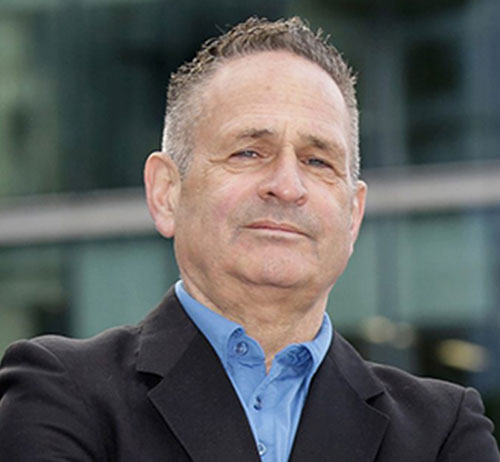
Andrew Horn is a Sanskrit scholar and translator whose edition of Vidagdha Madhava by Rupa Goswami is considered the most accurate ever published in English. He is a former Hare Krishna monk who lived for 20 years at Bhaktivedanta Manor. He is also the son of the late neuroscientist Sir Gabriel Horn and the grandson of socialist peer Baron Soper — and once appeared on Top of the Pops with Boy George in 1991.
Main image: Courtesy, Nataliya Vaitkevich/Pexels