The climate and energy decisions taken during 2025 have limited the broad options now facing governments to two, setting up a decisive moment for global policy in 2026, writes Gary W. Yohe
It would be malpractice to ignore actions taken by the year-old Trump Administration when pondering what 2026 might bring with regard to climate action. It would be equally unforgivable to suggest that everything important that has happened in 2025 has happened in North America. This review of some of the major events in 2025 has been fashioned to identify the two broad choices that are available in the coming year: return to 20th-century fossil fuel energy sources or accept China’s new leadership with its decarbonising possibilities.
Things started to change immediately after Donald Trump was inaugurated. The United States withdrew, again, from the Paris Accord on the afternoon of 20 January when the President signed the first executive order of his second term. This was not surprising, as the actions were spelled out in Project 2025, the 900-page policy roadmap published late in 2023 by the Heritage Foundation. What has been astonishing is the pace at which significant actions followed one another.
The United States effectively withdrew from the Intergovernmental Panel on Climate Change (IPCC) on 20 February when it refused to support U.S scientists’ participation in any part of its upcoming Seventh Assessment Report. The Administration also cancelled its contract to host and underwrite the Technical Support Unit for Working Group I on the physical science.

The U.S did not send an official delegation to the thirtieth Conference of the Parties of the United Nations Framework Convention on Climate Change (COP30). A delegation from California, led by its Governor, attempted to fill the gap, but the meetings disappointed many. The term “phase out,” applied to fossil fuel consumption, was replaced in official language with “overshoot” applied to global temperature targets.
Colombia and the Netherlands closed COP30 by announcing that they will co-host the “First International Conference on the Just Transition Away from Fossil Fuels” next April. As of this writing, 82 nations had pledged to attend.
The “Big Beautiful Bill,” which cut U.S$500 billion in clean energy incentives that had been authorised under the Inflation Reduction Act of 2022, was signed into law on 4 July.
29 July proved especially noteworthy. The U.S Environmental Protection Agency initiated efforts to rescind its 2009 Endangerment Finding that carbon dioxide emissions may reasonably be anticipated to endanger public health or welfare. This finding followed a 2007 decision by the U.S Supreme Court requiring the EPA to determine whether such a threshold for action had been met. The EPA had concluded that it had, triggering regulatory obligations under the Clean Air Act of 1970, as amended in 1990.
That same day, the U.S Department of Energy released and began disseminating a report challenging widely accepted climate findings and criticising the scientific work behind them. Scientists from across the country and around the world responded immediately with updated assessments, identifying numerous errors and distortions. This work undercut any rationale for the EPA’s opposition to the Endangerment Finding.
Earlier in the year, the U.S had abandoned federal support for energy sources not based on fossil fuels. By early December, these efforts included an executive order that significantly weakened automobile energy efficiency standards.
Meanwhile, energy companies in Europe responded to U.S actions by diverting new energy investments from wind and solar toward natural gas.
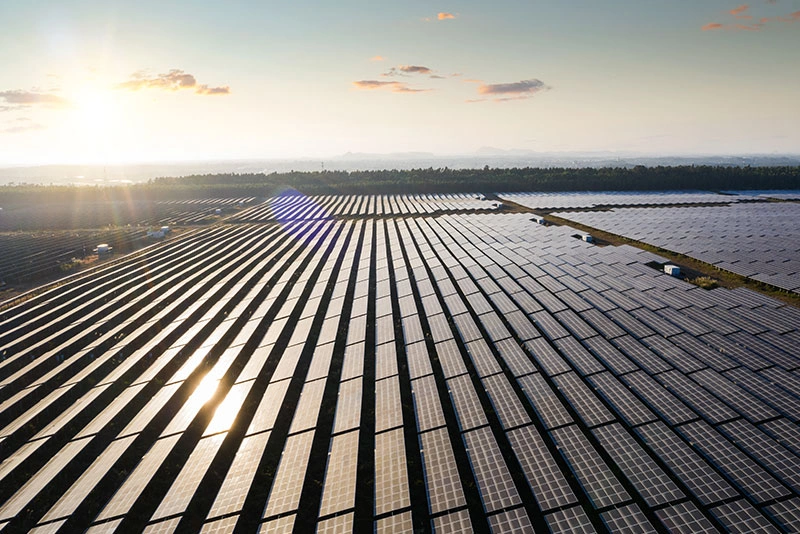
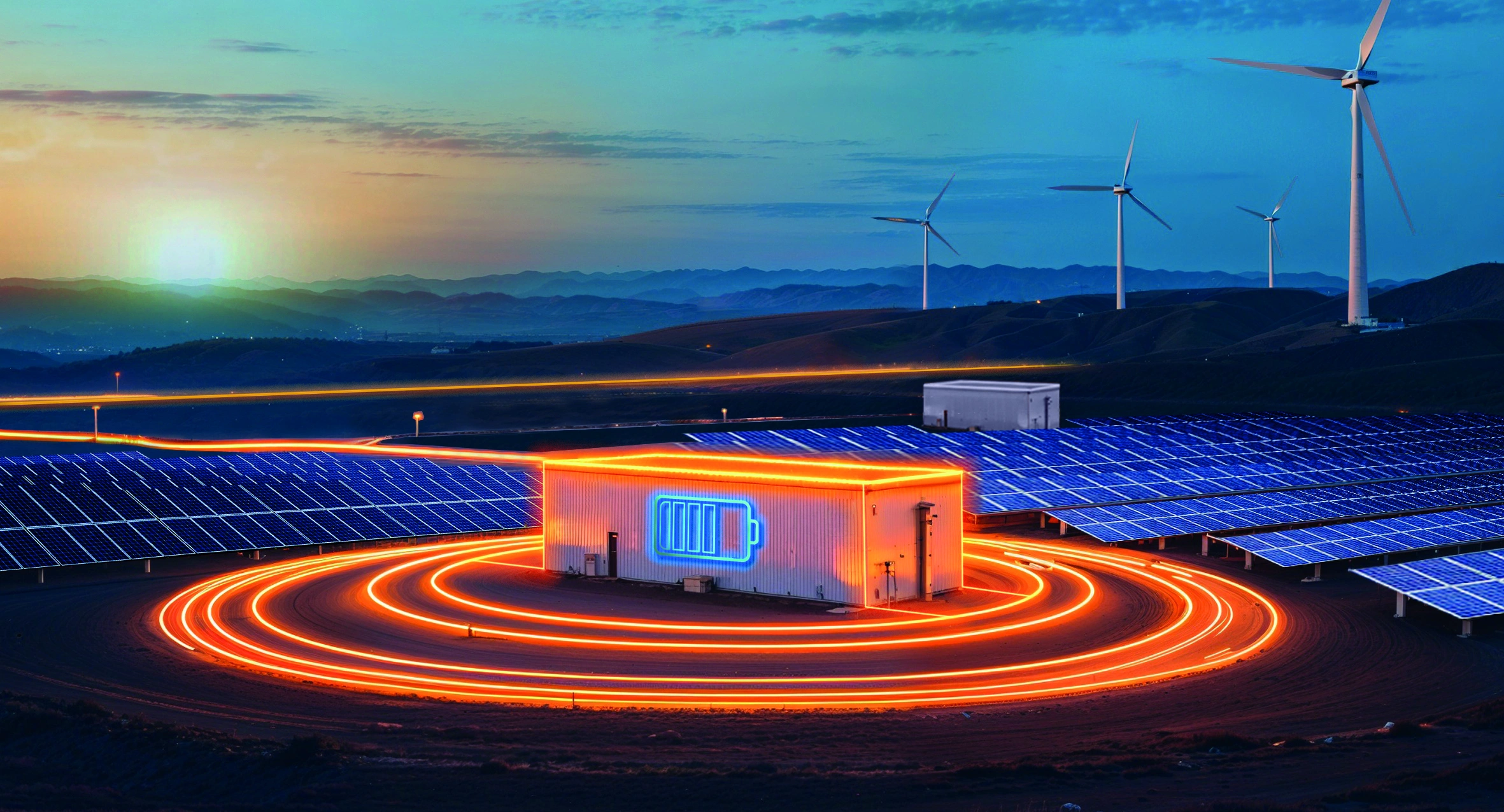
Globally, however, solar power contributed nearly 75 per cent of new electricity generation measured from the first three quarters of 2024 through the same period in 2025, totalling 498 terawatt-hours, of which 300 terawatt-hours came from China. Wind accounted for the second-largest share at 20 per cent.
Because wind and solar capacity exceeded domestic demand in China, exports of renewable technology to developing countries expanded rapidly. Some countries now appear to be skipping the traditional fossil fuel development phase as they transition toward modern economies.
This brief list of events from 2025 makes it difficult to take projections for 2026 seriously in terms of climate science, policy and energy decisions. It may be more productive to accept the uncertainties and ask informed questions instead.
Will the outcomes of the First International Conference on the Just Transition Away from Fossil Fuels reveal growing commitment to non-fossil energy sources?
Will China continue to strengthen its economic and geopolitical influence by leading in the supply of accessible wind and solar technologies to developing nations, while scaling clean energy solutions domestically and abroad?
Will the United States persist in expanding reliance on traditional energy sources, or will business and government recognise that doing so risks erasing its historical competitive advantage in innovation?
What external costs and benefits might accrue as nations choose one energy pathway over another?
Would reversing backward-looking energy policies produce short- to medium-term gains in U.S public welfare, or has too much institutional and economic capacity already been lost?
In short, will we have greater clarity by January 2027 about which energy path has been chosen? The answer is that it depends. The real question is: on what?

Gary W. Yohe has contributed to climate science literature since 1981, with more than 300 publications across peer-reviewed journals, major media platforms and international assessments. He is a co-founder of climatecafe.substack.com, where essays and supporting links relating to this work are published.
READ MORE: ‘Protecting the world’s wild places: Dr Catherine Barnard on how local partnerships drive global conservation‘. From the rainforests of Brazil to the wetlands of India, World Land Trust works with local partners to protect habitats under threat. Chief Executive Dr Catherine Barnard explains how the organisation’s collaborative model is delivering lasting results for wildlife, communities, and the climate.
Do you have news to share or expertise to contribute? The European welcomes insights from business leaders and sector specialists. Get in touch with our editorial team to find out more.
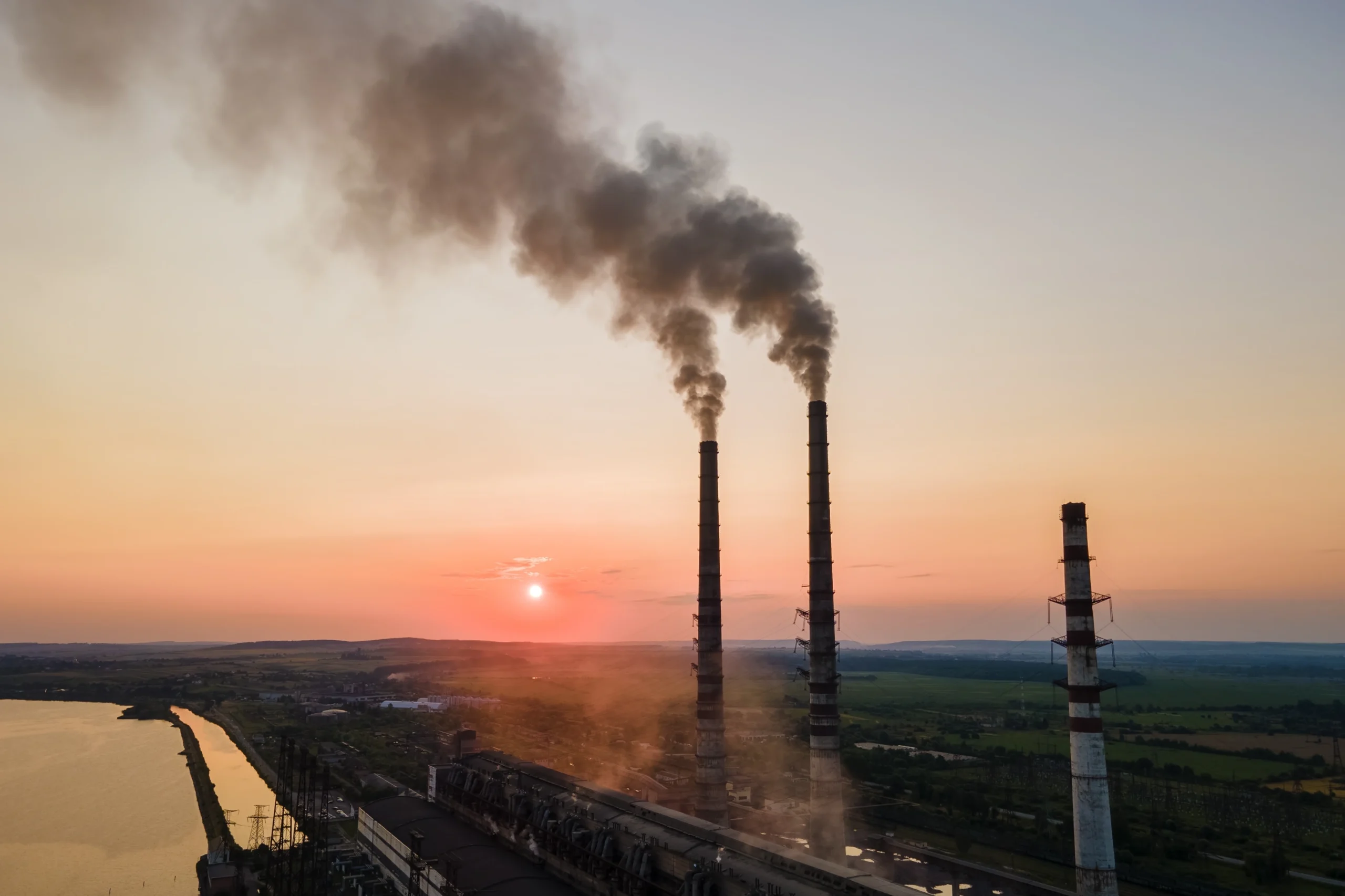
Main image: Fossil fuel power plant