Tashkent is building new digital infrastructure to prepare manufacturers for the EU’s upcoming product passport requirements, as Central Asian exporters look to secure market access under Europe’s climate and traceability regulations
Uzbekistan is creating new digital compliance infrastructure to support exports to the European Union, as Brussels finalises regulations that will require manufacturers to provide detailed traceability and sustainability data for goods entering the single market.
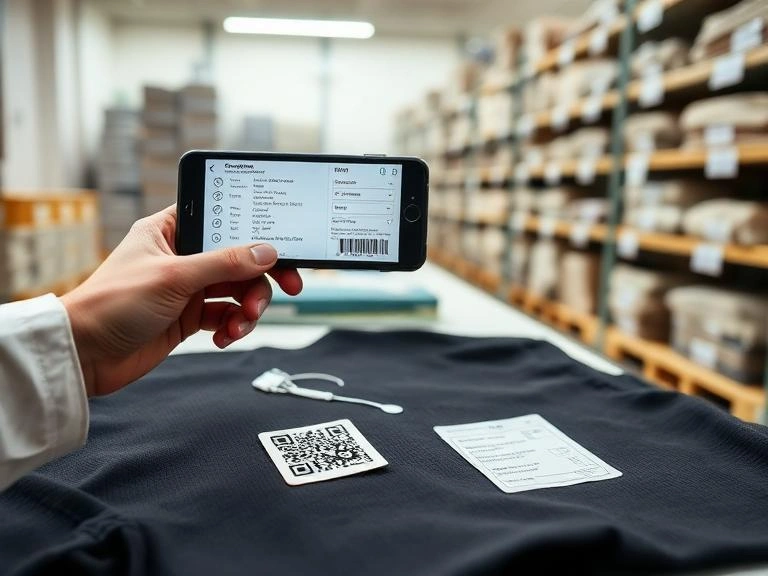
The initiative follows the EU’s Ecodesign for Sustainable Products Regulation (ESPR), which will introduce Digital Product Passports (DPP) for a wide range of manufactured goods.
European officials view the passport system as a way to increase transparency on materials, emissions and supply chains, with implications for producers exporting textiles, metals, electronics and construction materials into the bloc.
Uzbekistan’s export basket remains heavily weighted towards commodities and food products, but shipments of textiles and garments have increased in recent years, and an emerging cluster in electronics and electrical engineering is targeting integration into European production chains.
Export revenues in 2025 were estimated at between US$30bn and US$33bn, with sales to the EU described as modest but growing as trade flows diversify beyond the CIS.
To meet EU compliance demands, the Latvian Digital Product Passport technology provider Fluxy.One has opened a representative office in Tashkent in partnership with Trade House Export, a firm specialising in export support for Uzbek manufacturers.
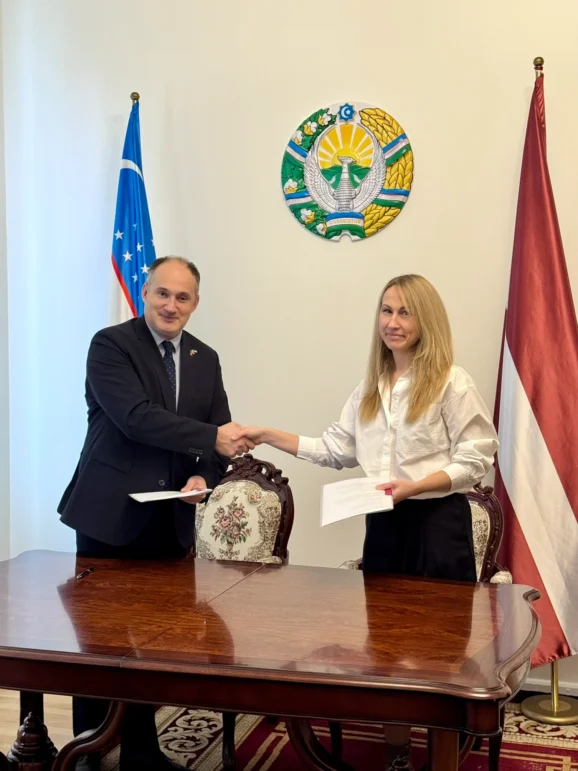
The agreement was signed at the Embassy of Uzbekistan in Latvia in the presence of Ambassador Timur Rakhmanov.
Trade House Export director, Vladimir Galperin, said: “As EU requirements tighten, Uzbekistan is forming a digital export infrastructure focused on long-term market access. The partnership with Fluxy.One is a practical step towards adapting Uzbek exports to this new reality.”
The European Commission expects DPP requirements to become a core condition for market access as the ESPR regime is phased in. European retailers have already begun assessing alternative supply chains in Central Asia, where manufacturers are seeking to demonstrate compliance with EU sustainability rules to win procurement and sourcing contracts.
Fluxy.One co-founder and chief executive, Barodzich, said: “The ESPR regulation is rewriting the rules of global trade. Our goal is to ensure that compliance becomes an accessible advantage, not a burden. Together with Trade House Export, we provide Central Asian manufacturers with an Enterprise-level tool — automated, compliant with GS1 standards and European Commission requirements.”
Barodzich said the company intends to extend its model to exporters in India, Bangladesh, the United States and Japan.
Industry groups in Brussels expect the Digital Product Passport to reshape how goods are documented for entry into the European market, requiring exporters to record product data in standardised formats for regulatory inspection and verification.
The Uzbek initiative aligns with the government’s “Digital Uzbekistan 2030” strategy, which includes efforts to digitise customs, trade documentation and export certification. Officials in Tashkent have signalled that compliance with European standards offers a route to higher-value export segments, particularly in textile manufacturing, where European brands are seeking lower-carbon supply chains.
Fluxy.One also introduced a tool aimed at small and mid-sized European manufacturers that need basic digital passport functionality to meet EU reporting rules without adopting full-scale enterprise systems.
READ MORE: ‘ITFC extends $30m financing to Uzbekistan’s Hamkorbank‘. A fresh US$30 million injection from the International Islamic Trade Finance Corporation is set to accelerate Uzbekistan’s shift towards ethical, sustainable finance — strengthening Hamkorbank’s role at the forefront of the country’s growing Islamic finance sector.
Do you have news to share or expertise to contribute? The European welcomes insights from business leaders and sector specialists. Get in touch with our editorial team to find out more.