New research reveals that seven-in-10 neurodivergent employees do not disclose their neurodiversity at work. Workplace inclusion specialist Sara-Louise Ackrill says fears over stigma and career damage are keeping many silent, while those who do speak up are too often given inadequate or unsuitable support
When I deliver keynotes at corporate events, I ask line managers a simple question: how many people on your team have reasonable adjustments in place?
The answer is almost always: ‘No one.’
Behind that response sits a dangerous assumption: if nobody has disclosed a need, nobody requires support.
The numbers suggest otherwise. As many as one-in-five people may be neurodivergent, yet I rarely encounter organisations in which more than a small minority of employees have adjustments in place. Not every neurodivergent person will want or need them, but the disparity tells us that many employees are managing an excessive cognitive load in silence.
They develop constant mental workarounds, absorb an acute sense of failure or difference, and live with an avoidable risk of exhaustion and burnout.
The problem is not, as organisations often assume, that support is unnecessary but that many people do not feel safe asking for it.
New research from workplace neuroinclusion company Everway has found that 70 per cent of neurodivergent employees do not disclose their neurodiversity at work. Among those who keep it private, 44 per cent fear disclosure could damage their career prospects while 42 per cent worry that managers or colleagues would treat them differently.
These concerns can become more acute as people progress professionally. Senior employees are often expected, explicitly or otherwise, to model resilience and certainty for those beneath them. Admitting that they are struggling may appear incompatible with the authority their role demands.
I was recently contacted on LinkedIn after speaking publicly about a neurodivergent medical professional friend who took their own life. Part of their struggle had been that their neurodivergence had repeatedly been met with gaslighting and dismissiveness owing to their seniority.
The message read: “You’re absolutely right about professionals being seen as ‘too senior’ to be ND – and the associated strain, burnout and mental health effects. The pressure to keep masking is immense, and it takes a massive toll.”
The same person added, “I am sorry I can’t support you more publicly on this forum, but I am not quite ready to ‘out’ myself.” Even leaving a visible ‘like’, they feared, might be enough to incriminate them.
This is the reality many organisations are not seeing.
Employers are relying too heavily on disclosure-led support models. An employee is expected first to reveal something deeply personal and potentially professionally consequential. They must then explain how it affects them, identify what might help and ask another person to approve and provide it.
Disclosure and requesting support are not the same act. Each demands a separate degree of vulnerability.
Even when somebody does disclose, the response is often well-intentioned but poorly executed. I know of workplaces where, after learning that an employee had ADHD, managers simply moved them away from a desk by a door. There was no conversation about what the employee found difficult or what environment helped them work best. It was simply a knee-jerk assumption that reducing noise and movement would help.
For some people with ADHD, however, some movement and ambient buzz provides exactly the stimulation they need to take their brain out of screensaver mode. So the employee may then feel obliged to perform gratitude for an adjustment that doesn’t address the actual challenge, which is its own additional layer of masking.
The legal framework exists and it is workable. In the UK, a reasonable adjustment under the Equality Act 2010 concerns how work is done, the environment in which it is done and whether assistive technology might help. These three categories are genuinely useful wherever you work in the world and in whatever jurisdiction you come under. The biggest challenge I face with clients is helping them separate out what the job actually is from how the work gets done. Making that distinction is essential to determining what can legitimately be adjusted.
Many line managers, however, are afraid to ask, ‘How does this affect you at work?’ or ‘What might we put in place to help?’ This isn’t necessarily because they don’t care but because nobody has trained them to have the conversation, and they fear getting it wrong. So nothing gets asked, nothing gets offered, and silence is interpreted as confirmation that everything is fine.
It isn’t. The system has stalled before it starts. Most neurodivergent people don’t know that they are neurodivergent and few who do choose to disclose. Of those who do disclose, fewer still end up with adjustments. And those who do often feel unable to question whether those adjustments are actually working.
That leaves organisations with little meaningful data on what works, for whom and why. They then default either to generic interventions or doing nothing at all.
The disclosure model as it stands, then, is not fit for purpose. The question for leaders is what they intend to do about it.
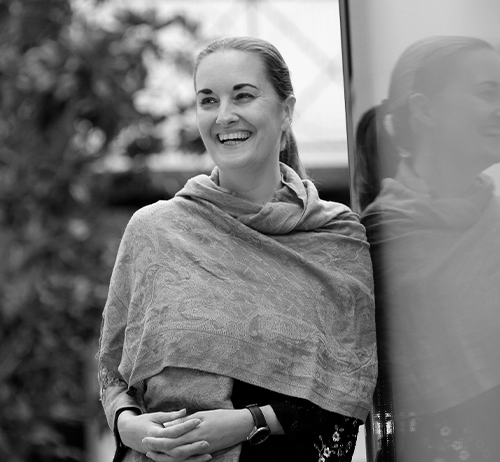
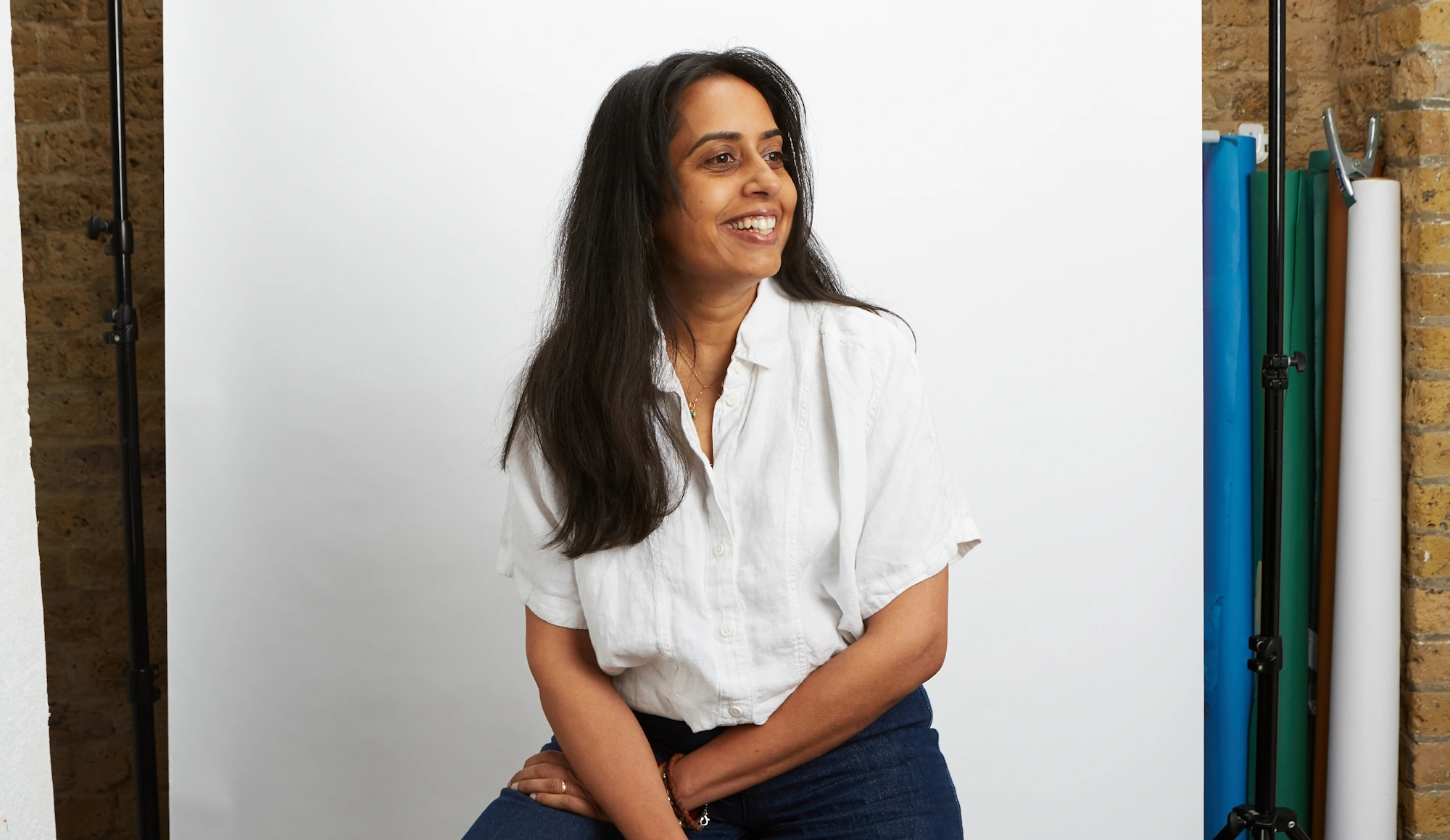
Sara-Louise Ackrill is a neurodivergent therapist, entrepreneur, and workplace consultant. Founding CEO of Wired Differently and co-founder of Start Differently, a non-profit, Sara-Louise supports neurodivergent individuals personally in employment and as entrepreneurs. Recognised as a ‘Top UK Neurodiversity Evangelist’ and one of Small Business Britain’s #IAlso100 2024 entrepreneurs, Sara specialises in workplace inclusion, neurodiversity awareness, and domestic abuse awareness in the workplace advocacy. She is currently developing wNDerful, an app for neurodivergent people, and strives to create inclusive spaces through psychoeducation and compassion.
READ MORE: ‘Why leaders need to take rejection sensitivity seriously‘. From burnout to social withdrawal, the effects of rejection can linger far longer than we acknowledge. The European’s Inclusion & Equality correspondent, Sara-Louise Ackrill, explores why some people experience social rejection more intensely than others, and why our reluctance to discuss it openly is impacting employees and employers alike.
Do you have news to share or expertise to contribute? The European welcomes insights from business leaders and sector specialists. Get in touch with our editorial team to find out more.
MAIN IMAGE: Vitaly Gariev/Pexels