As Germany accelerates rearmament in response to Russian aggression and mounting geopolitical strain, Dr Robert Brull argues that money alone will not modernise Europe’s defence. Without urgent reform of procurement culture, faster access for innovative firms, and a decisive break from closed contractor networks, vital capability risks being trapped in outdated systems at the very moment speed, resilience and technological ingenuity matter most
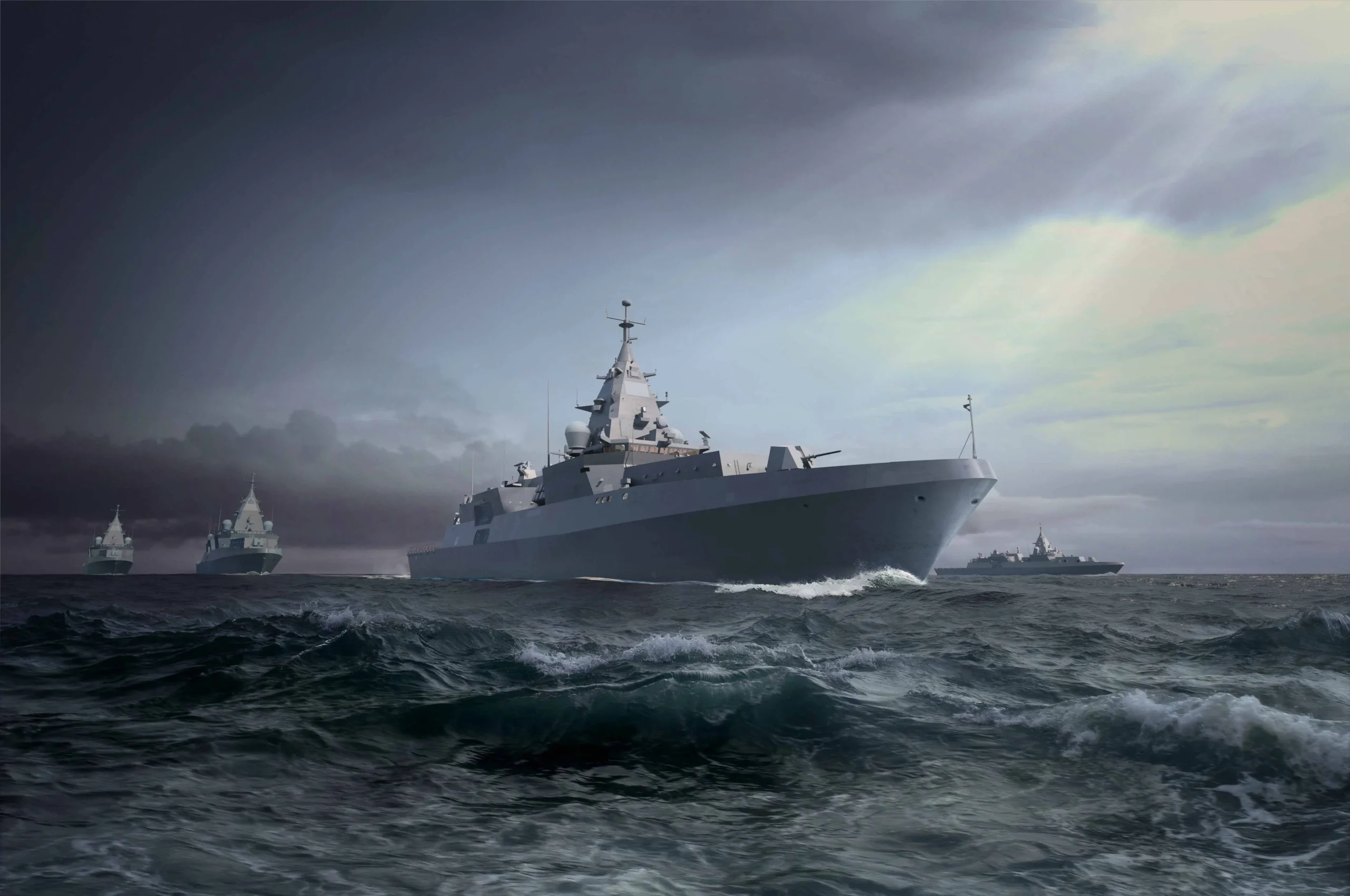
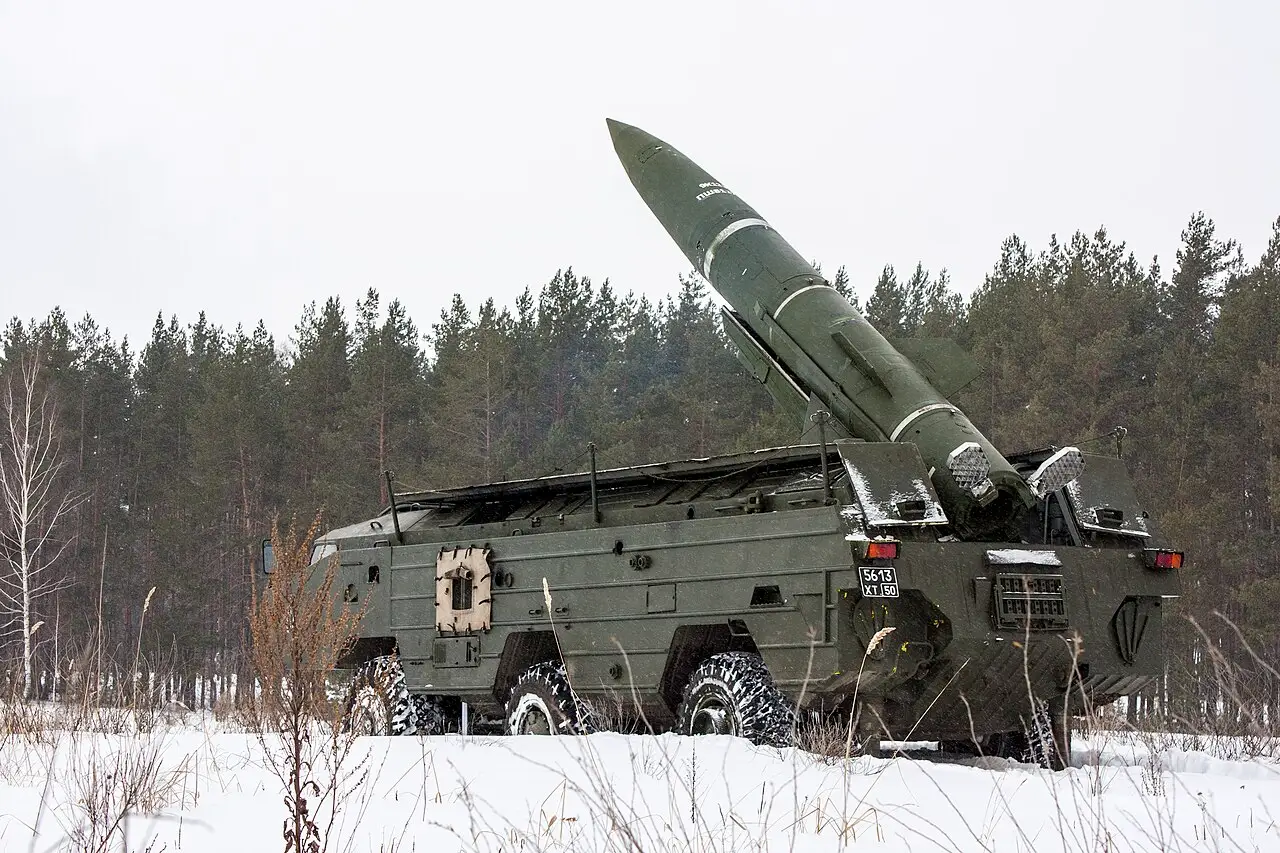
At the end of last year, the Bundestag budget committee approved the expenditure of tens of billions of euros to buy military equipment. In the teeth of Russian aggression – not only on the ground in Ukraine, but in the form of hybrid-war carried out across Eastern and Central Europe – Germany is attempting to build up its armed forces to the point where it could stand up to a battle-hardened foreign army. It was framed in the media as a turning point for national and European security – and that was before President Trump threatened to slap further tariffs on the European Union over their resistance to his plans for Greenland. Now, it is being reported that Germany is preparing for Russia to attack NATO within two years.
So the €52 billion approved by the Bundestag is welcome. But is money enough by itself? The short answer is: no. Because how the money is used is vitally important. If Germany falls back into old habits, if it depends on closed networks and if its politicians are too cautious then it will undermine its own necessary project of rearmament. And the reverse is also true. If agencies cast a wider net, encourage competition, open their minds to new suppliers, and seek out small and innovative companies, then they will modernise the country’s defence in such a way that it can respond to the challenges of the moment.
As it is, the system is in my view flawed. Structurally, it leans towards a small group of prime contractors. These companies are well-established: they have a big presence in the system, long-standing relationships with officials, and serious lobbying power. That influence is decisive, shaping what kinds of technology are considered proven, which suppliers are deemed to be reliable, and what risks are judged to be acceptable. It’s not unusual for people to trust those they know well; but this moment calls for procurement decisions to be made on the basis of what will work best, not what feels familiar.
How did this come about? It didn’t happen overnight. Senior figures across industry, procurement agencies and the military have worked with each other for decades. They attend the same conferences, sit on the same committees, and move through similar roles. Over time, this has produced a closed network of people who know each other well and tend to support familiar players. There are also language and lobbying barriers: if you’re not in the right circles, or do not speak the institutional jargon needed to navigate established processes, it’s hard to get heard. In countries like Germany, decades of divestment kept the defence industry small, reinforcing these tight-knit networks and limiting the arrival of new entrants. As a result, newcomers struggle to break in not because their products are worse – often they are not – but because they are unknown quantities, and in defence, the unknown is treated as a risk.
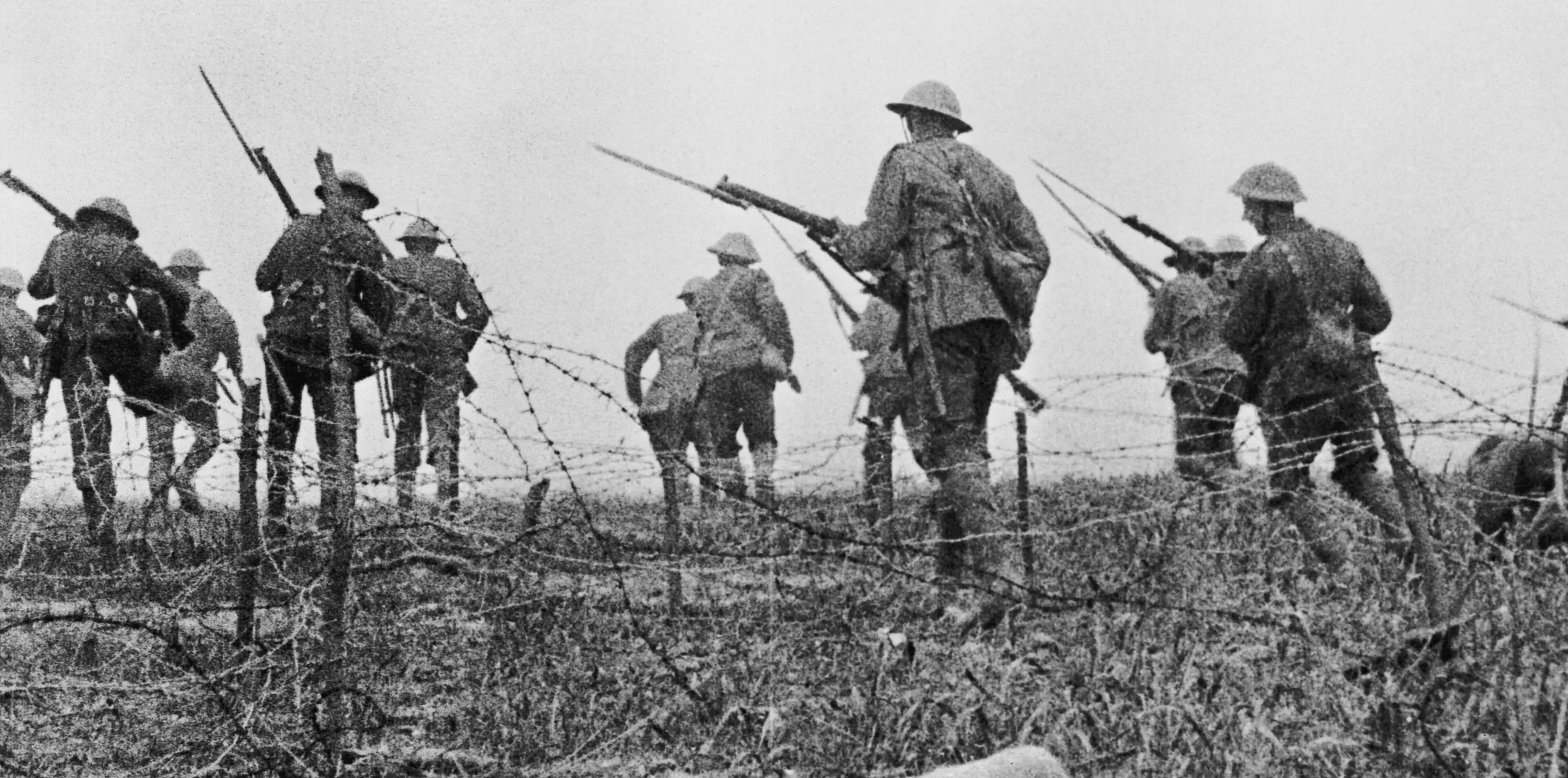
I don’t want to be misunderstood. The primes still play an important role in defence, and they will continue to do so. But modern warfare is about sensors, software, advanced materials, drones. It’s about speed and creativity. It’s about innovation. These are the hallmarks of smaller, more disruptive firms, not big prime contractors. In Ukraine, we’ve seen daily how cheap drones, rapidly assembled by engineers barely out of university, are thrown into the field to take out tanks more expensive than they are by orders of magnitude. And we’ve seen how those on the frontline have reported back to the drone engineers and manufacturers so they can iterate and produce ever-better hardware.
Those in decision-making positions in defence procurement recognise this. That is why, in recent years, the Bundestag has spoken more openly about the need to support startups and non-traditional suppliers. New funding lines and pilot programmes aim to lower barriers to entry. That is progress, but it remains uneven. In several vital areas, the military and industry are still restricted in how openly they can work together, unlike in some allied countries. The procurement process remains slow, opaque, and risk-averse. And for smaller companies, the burdens of complying with regulations, producing documentation, enduring the long testing, approval and procurement times, and handling the uncertainty involved can outweigh the benefits of getting the contract in the first place.

This points to a deeper issue: culture. Government reform alone is not enough. Prime contractors also need to shed old habits if they are to work effectively with smaller, more disruptive firms. Without a shift in how risk, failure, and collaboration are handled, innovation will remain constrained. The fear of failure is understandable – audits, headlines, and parliamentary scrutiny all carry real consequences – but it is not excusable. Relying on yesterday’s technology carries its own risks, and the public will not tolerate wasted time or money indefinitely.
Behind this is a fear of failure. Officials do not want to invite backlash if a new, untested supplier fails to deliver, especially at a time when trust in institutions is low. Audits, headlines, and parliamentary scrutiny push decision-makers back toward familiar suppliers. This instinct is understandable, but it is not excusable. Long, linear procurement processes that select a single supplier after years of testing and millions of euros invested often concentrate risk rather than reduce it. When they fail, they fail expensively. We cannot defend ourselves with yesterday’s technology, and the public will not tolerate the misuse of time or money.
What’s often missed is that a shift in mindset and procurement culture is actually the cheaper and safer option. Stage-gated processes that bring many suppliers in early, fund small-scale trials, and allow rapid testing and iteration spread risk rather than loading it onto a single bet. They make failure visible early, when it is manageable, and thus increase the chances of our ending up with several capable suppliers rather than one, which makes us vulnerable. This approach lowers costs, reduces risk, and improves resilience.
What’s revealing is that the startups that are bucking the trend and winning the big contracts are doing so, it would seem to me, only because they have hired the same lobbyists who previously worked for the big defence primes. This is often the only way to understand the informal workings of the system and gain access to the people who make the decisions. Now, organisations such as the BDSV are actively helping smaller companies to connect with influential lobbyists and become part of the right conversations. That work is important.
But there is a sense in which the current system entrenches the problem. Where there should be rigorous processes designed to deliver the best outcomes, decision-makers default to what they already know. If Germany is serious about rearmament and about taking a leading role in European military resilience, reform is unavoidable. Procurement needs to be shaped by a wartime mindset, not the habits of peacetime. That means prioritising supply-chain robustness and rapid replenishment over narrow cost efficiency; decentralised decision-making and fast acquisition over slow, centralised planning; and practical battlefield flexibility over mere procedural compliance. It also means moving away from conservative innovation cycles toward accelerated experimentation and fielding – the value and urgency of which Ukraine has made crystal clear. There must be clear pathways for small and medium-sized companies to reach decision-makers, faster decision cycles, and space for candid dialogue between the military and industry.
Ultimately, suppliers must be judged on merit, not familiarity. This is a question of national security.

Contributor Dr Robert Brull is CEO of FibreCoat, a German advanced materials company. His work focuses on the development and application of lightweight, conductive composites for use across defence, aerospace and industrial settings, and he writes on procurement, innovation and the relationship between emerging technology and military capability in Europe.
READ MORE: ‘Europe emphasises AI governance as North America moves faster towards autonomy, Digitate research shows‘. A three-year dataset on enterprise AI adoption suggests European organisations are prioritising oversight frameworks, while North American firms advance more quickly into autonomous IT.
Do you have news to share or expertise to contribute? The European welcomes insights from business leaders and sector specialists. Get in touch with our editorial team to find out more.
Main image: The Reichstag dome in Berlin — a reminder that the future of Germany’s rearmament will be shaped as much by procurement culture and political decision-making as by money alone. (Photo by Mike Norris)