In turbulent waters, trust is democracy’s anchor

Lindsay de Sausmarez
- Published
- Opinion & Analysis
The bonds that underpin democracy are weakening under the strain of populism, polarisation and mistrust. Here, Deputy Lindsay de Sausmarez, Guernsey’s Chief Minister, argues that rebuilding trust and cooperation is now the defining challenge for political leadership
On a recent crossing of the Channel to visit the nuclear facilities on the Normandy coast, I could not help but reflect on the metaphors around me. The sea was unsettled, a storm gathered on the horizon, yet occasional shafts of brilliant sunlight broke through the cloud.
It looked and felt like an image of politics today, with brief moments of hope among waves of uncertainty.
The global outlook has tested even the most steadfast optimists, myself among them. Environmental tipping points edge closer, carrying the risk of irreversible damage. Technological advances promise extraordinary breakthroughs, yet their pace outruns the safeguards needed to keep them safe. Economic uncertainty deepens, while geopolitical tensions harden into hybrid warfare and, all too often, into open and brutal conflict.
What troubles me most is the slow weakening of the bonds that hold communities together — the steady unravelling of our social fabric that has long underpinned trust in our institutions.
I was reminded of this when listening to a sociologist explain why humankind had flourished where other species had not. Our advantage was never intelligence alone, she explained, but the ability to communicate and cooperate with one another. It is ironic that the very gift which enabled our evolutionary success — our capacity for communication — has produced tools like social media that now corrode it.
Social media connects us in unprecedented ways, many of which can be positive, yet the algorithms that drive it thrive on outrage and sensationalism. The result is sharper political rhetoric, deepening polarisation and a fertile breeding ground for populism and autocracy.
Populists, adept at pressing the right buttons to capture attention, are gaining ground at both extremes of the political spectrum, leaving the centre more fractured and fragile. Democracies weakened by such internal strife are easy prey for those who would see them diminished, which is not only a godsend to autocratic regimes but, as we are beginning to understand, an intentional strategy.
But if anyone can defend against this kind of deterioration, it’s small, close-knit communities like ours in Guernsey. Island life gives us a stronger sense of identity and belonging and, while far from perfect, we remain a relatively trusting society – one still grounded in real-world conversations and interactions.
People often apologise when they stop me in the street or the supermarket to ask about government, but I never see it as an imposition. In fact, I believe it is our collective superpower. The ease with which people can speak directly to their representatives strengthens the bond between community and government, and that accessibility serves as a safeguard against the kind of dehumanising tribalism and polarisation that has become so depressingly common elsewhere.
Ultimately, we all face a choice. We can embrace the kind of aggressive political rhetoric where confrontational disagreement dominates, or we can adopt a more collaborative approach. In its recent election, Guernsey appears to have chosen the latter. After several fractious years when the political atmosphere was often deeply unpleasant, voters supported many candidates committed to building consensus. It is still early days, and the challenges remain immense, but I am hopeful this change in tone can be sustained so that less energy is wasted on division and more invested in delivery.
Guernsey is small, with a population no greater than a large town in the United Kingdom, yet we are also a self-governing jurisdiction carrying the full responsibilities of government and economic management. Our size cannot be an excuse for passivity.
Representing Guernsey at a recent UK party conference brought this home to me. As a sustainable finance centre, we channel capital into infrastructure and the global energy transition. We are home to international healthcare businesses. We offer practical examples of policies that work and can be adapted elsewhere. Increasingly, we act in partnership with Jersey as Channel Islanders, which is how many outside our Bailiwicks already perceive us. Together we maintain a shared Brussels office to represent our interests in the EU and a joint bureau in Caen focused on regional matters. We work closely too with our fellow Crown Dependency, the Isle of Man. Cooperation is both our tradition and our strategy, and it serves us well.
The seas ahead for politics will likely remain unsettled, but our ability to navigate them still rests on the same quality that has always defined us as human beings: the capacity to communicate, to cooperate, and to hold fast to trust. If we can sustain that, then even in stormy waters like these there will always be light on the horizon.
Further information
Produced in partnership with Guernsey’s government. To find out more, visit www.gov.gg
Read More: ‘Move to Guernsey: The Channel’s island gem‘. With rising taxes and economic uncertainty in the UK, more individuals and businesses are exploring relocation options. While offshore hubs like Dubai might dominate the conversation, more people than ever are looking closer to home—to the Channel Islands. Guernsey, in particular, offers financial stability, an excellent quality of life, and easy access to the UK
Do you have news to share or expertise to contribute? The European welcomes insights from business leaders and sector specialists. Get in touch with our editorial team to find out more.
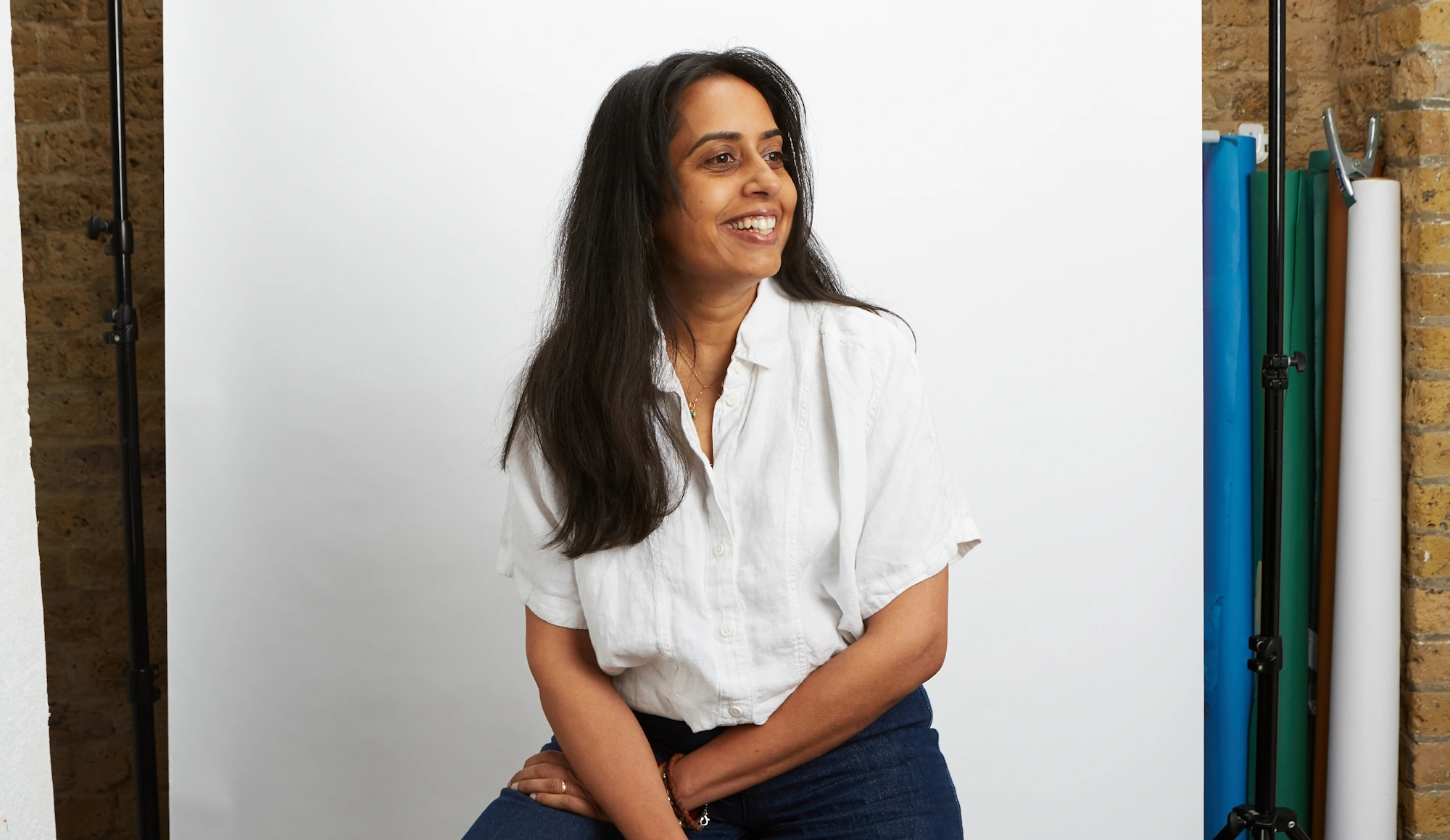
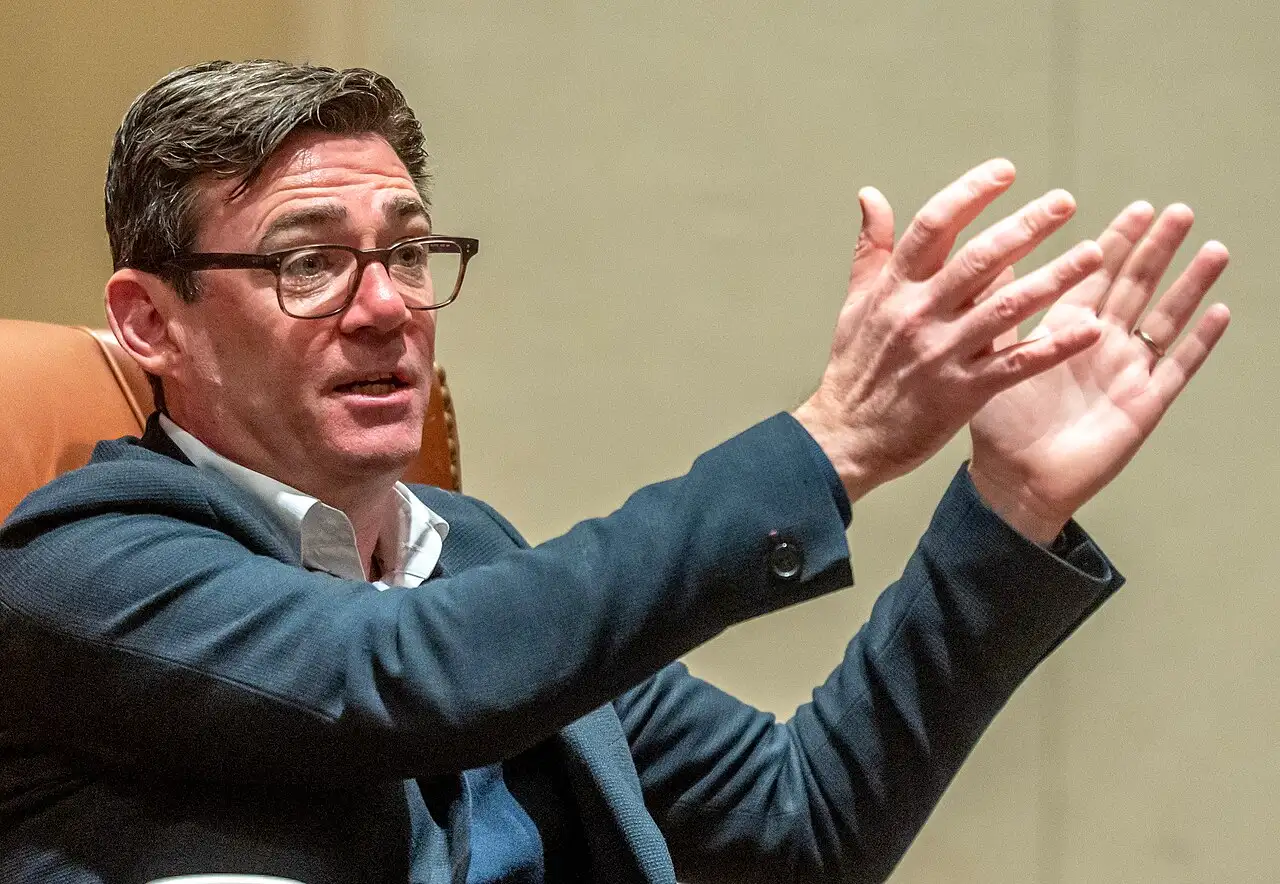
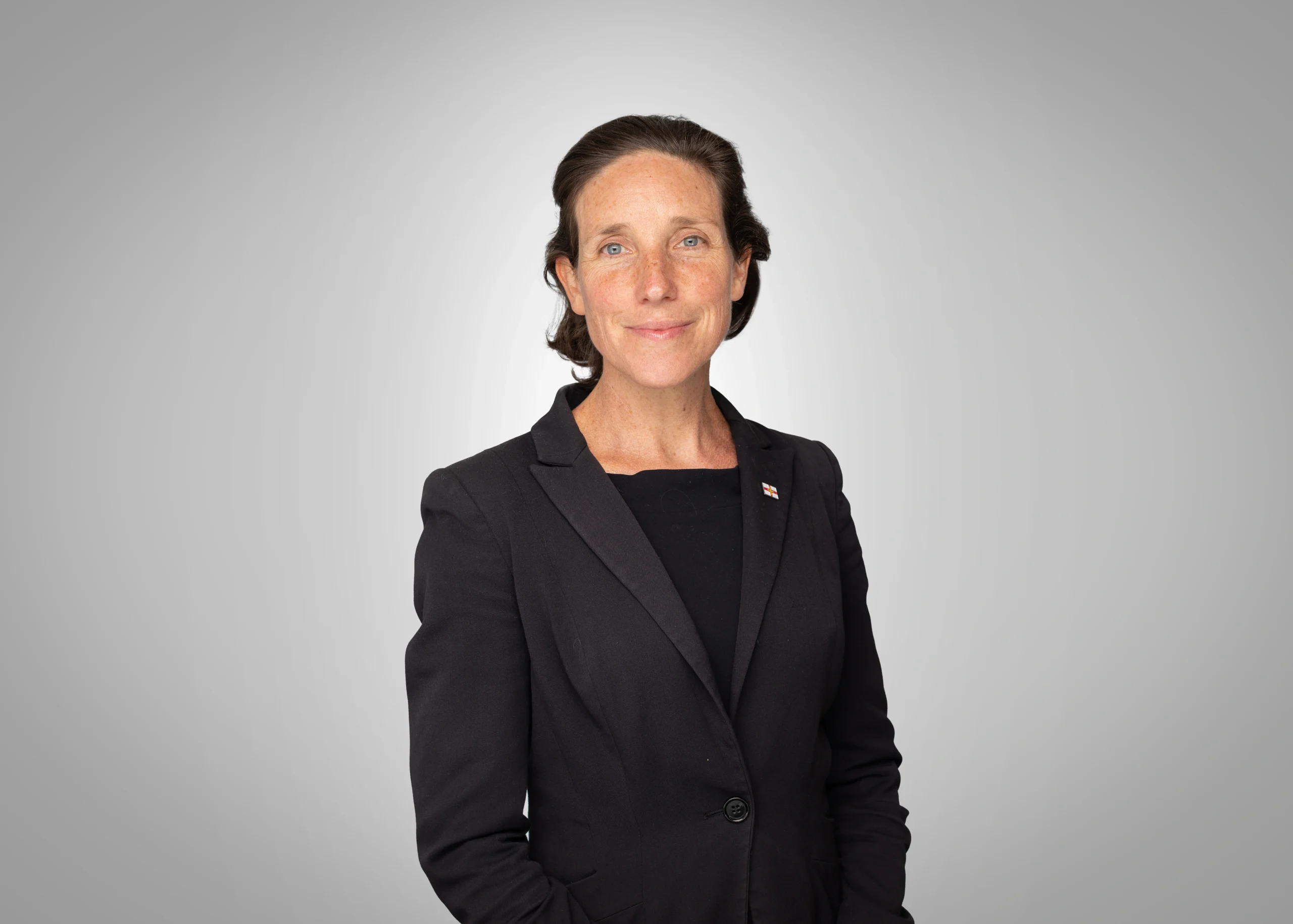
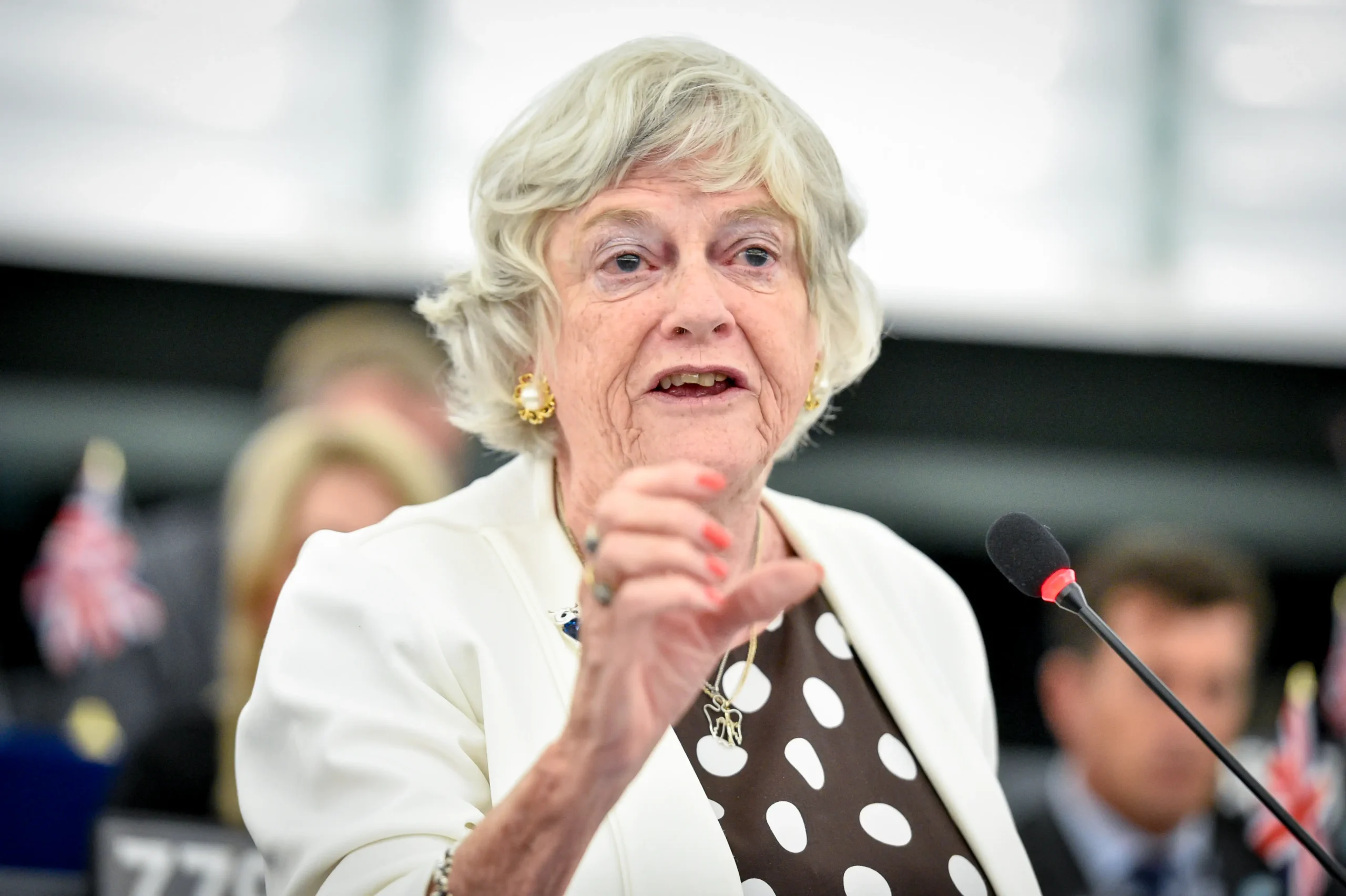
Main Image: Deputy Lindsay de Sausmarez
TOP STORIES
-
 British buyers fuel Greek luxury property boom after non-dom tax change
 -
 New York named world’s most attractive city for tourists
 -
Saab lands German frigate deal after Poland submarine order
-
Students unveil world’s first solar-powered ambulance
-
Burnham told to tackle Britain’s cyber weak spots on day one
-
Doctors using AI before health systems set the rules
-
Humanoid robots could become the next K-pop stars
-
Hormuz flashpoint keeps global shipping on high alert
-
Scientists to gather in Lisbon to tackle next pandemic threats
-
Burnham warned digital exclusion is now a national security risk
-
Masts from Kent ‘doomsday wreck’ to be cut to prevent catastrophic explosion
-
GigaCloud and Cubbit launch sovereign cloud storage for Ukraine and Poland
-
Tributes paid to ‘forthright and fearless’ Ann Widdecombe
-
Boeing to debut Ghost Bat drone at Farnborough Airshow
-
Reeves opens ‘£2bn lifeline’ for small firms
-
Babymoon boom: Rhodes crowned 2026's top pre-baby escape as Salcombe leads UK getaway list
-
Xavier Niel to become Vodafone’s largest shareholder in £4.4bn deal
-
Two-thirds of lawyers say strong legal claims are dropped because of cost
-
UK government must "think again" about small business plan
-
Lockheed Martin pushes European missile expansion at NATO summit
-
Britain's new homes face 2050s heat test as experts warn of overheating crisis
-
Sky agrees £1.6bn deal to buy ITV’s broadcasting and streaming arm
-
Scientists crack dinosaur egg mystery by building life-size nest
-
Nobel laureate Omar Yaghi launches global science network
-
Cardiff drivers safest in Britain as London comes last








In turbulent waters, trust is democracy’s anchor
Lindsay de Sausmarez
- Published
- Opinion & Analysis
TOP STORIES
-
Andy Burnham must learn Mark Carney’s hardest lesson
-
What Yellowstone’s wolves could teach us about our pets’ health
-
How I would close the sociology gap inside AI companies
-
Why Europe’s rush to rearm cannot end the fear of nuclear war
-
Military chaplains must not be left behind in the age of autonomous weapons
-
Minority women are more visible in the creative industries but still underrepresented in ownership
-
I was inside the Millennium Dome when the £200M diamond raiders struck
-
Why AI Companies need a resident sociologist
-
Andy Burnham becomes Prime Minister in five days – now he must deliver for disabled people
-
Bosses: stop writing off talent over exam results
-
Workplace neuroinclusion is failing before support even begins
-
The NHS cannot call it ‘community care’ while patients are left waiting at home
-
How the Battle of the Somme shaped the role of the modern military chaplain
-
Elon Musk’s trillion-dollar fortune shows why taxing wealth is never simple
-
What Britain can learn from Caribbean heat
-
Could Europe's age verification app put citizens' personal data at risk?
-
AI’s unequal future can be found on the streets of Hanoi
-
Could Canada's GlobalEye deal become the first test of a new Atlantic partnership?
-
America at 250 is a republic squandering its inheritance
-
The Arandora Star shaped my community. Britain must finally remember it
-
Darling Buds and A Touch of Frost producer warns BBC ‘must rediscover its appetite for risk’
-
Healthy leadership means letting go of the myth of male certainty
-
Britain needs more than another new prime minister
-
Harrow School's new approach to boys and toxic masculinity offers a lesson for us all
-
Suits you, sir. If appearance still counts, why is credible workwear disappearing for women?