Norway’s fjords have long lured travellers with their glassy waters, jagged peaks, and fishing villages — but at what environmental cost? With the country pledging all ferry and coastal traffic will be emissions-free by 2030, photojournalist and bestselling travel writer Emma Strandberg sails with Havila Voyages to see if a cruise along the Norwegian coast can finally be guilt-free
As terms like “futureproofing”, “decarbonisation”, “offsetting” and “insetting” become part of everyday travel conversation, the lines between sustainable and regenerative tourism are blurring. Can we honestly travel guilt-free, whether for business or pleasure, without compromising our promises to environmental, economic, and social sustainability?
In the quest to meet our needs without compromising those of future generations, is reducing single-use plastics, conserving water, and reusing towels really enough, especially when ticking off our travel bucket lists?
For years, anyone considering a cruise through the pristine Norwegian coast and fjords has had to weigh the cost: the contribution to pollution, carbon emissions, waste, disruption to wildlife, and what many locals see as invasive tourism. The desire to visit UNESCO heritage sites, crystal-clear fjords, jagged mountains with cascading waterfalls, and traditional fishing communities was often dampened by the guilt of joining a voyage that unquestionably harmed the climate and ecosystem.
That calculation, however, is changing. Norway’s ambitious pledge to make all ferry and coastal traffic completely emission-free by 2030 has created new, genuinely sustainable options.
For more than 130 years, a regular freight-and-passenger ferry known as the Hurtigruten line has connected Kirkenes in the north — a stone’s throw from the Norwegian-Russian border — with Bergen, 2,200km south. This vital lifeline for coastal towns and villages carries post, freight, fresh fish and produce, and provides a crucial passenger link. Today, this historic route is also at the forefront of Norway’s shift towards low-impact, eco-conscious travel.
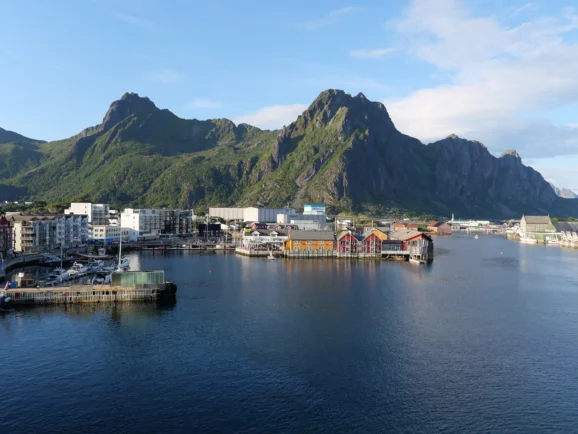
The name Hurtigruten has been synonymous with this coastal voyage since its first sailing in 1893. The distinctive red, black and white ships ooze nostalgia. But in 2021, the same year Norway passed its climate action plan for 2021–2030, a new player entered the scene: Havila Voyages. New to passenger cruising but an “old sea dog” in Norwegian waters, Havila brought modern thinking to a heritage route.
Norway is rich in folklore, and Havila’s story has something of a modern fairytale.
Founded by Per Sævik, who bought his first fishing boat aged just 16 in 1957, the company is now a key name in Norwegian transport and tourism. In 2022, it made history with the first “zero-emissions voyage” into Geirangerfjord, one of the country’s most celebrated natural attractions. Its goal is 100% climate neutrality by 2028, and full emissions-free operations by 2030, an essential target for such a vulnerable environment.
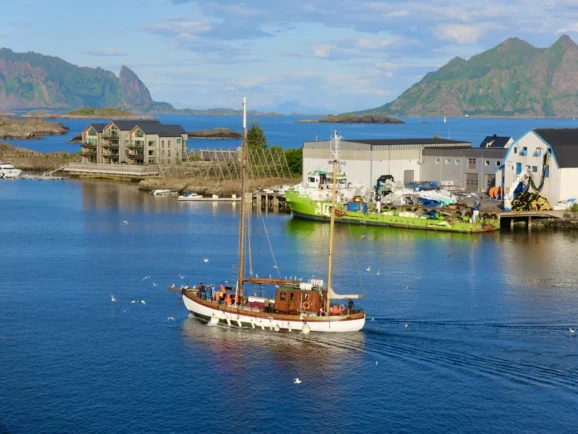
Hurtigruten, meanwhile, refuses to be left behind. Its Sea-Zero project envisages futuristic vessels with retractable wind and solar “sails”, while existing ships are being upgraded to cut CO₂ and NOₓ emissions.
With Norway’s government setting high demands, no one pretends that navigating cost, climate targets, customer satisfaction, partnerships, and shareholder expectations will be plain sailing. But both Hurtigruten and Havila are investing heavily in innovation — from hybrid LNG–battery propulsion and zero-emissions fjord entries to passenger programmes that cut waste and support local economies — to ensure they stay on course.
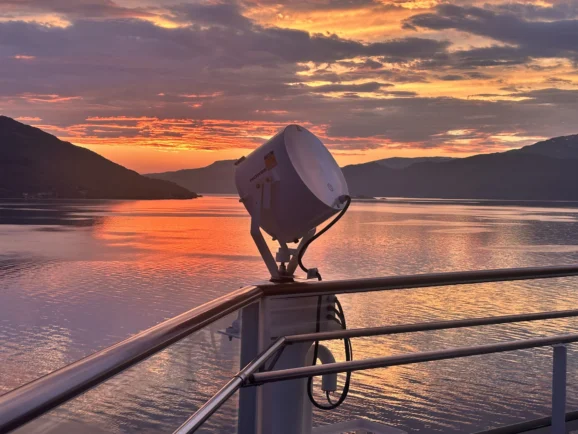
On board Havila Pollux
Havila’s brand-new fleet includes four of the world’s most eco-friendly ships. Protecting the environment and contributing to a sustainable future are at the top of its agenda, and passengers are encouraged to join in through the Eco Voyager Programme: bi-daily room service, unplugging devices after charging, reducing water use, recycling, minimising food waste, supporting local tourism, and booking only eco-certified shore excursions.
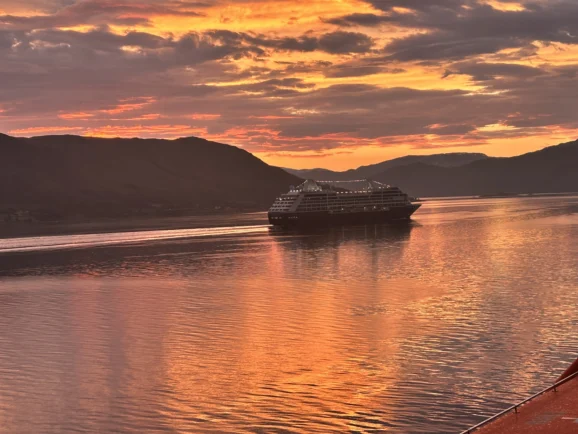
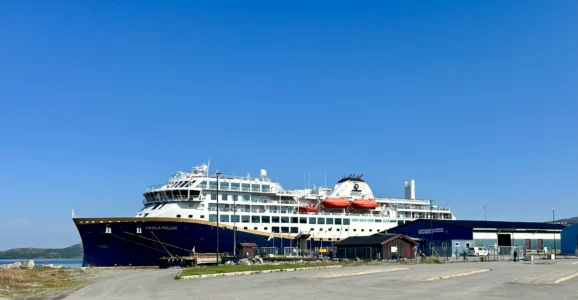
Sailing in extraordinary comfort — think Scandinavian-designed cabins, panoramic windows, and optimal observation decks — it is a relief to know the cruise leaves no negative environmental impact in its wake. With just 640 passengers per ship, the experience is intimate without losing the joy of a traditional cruise.
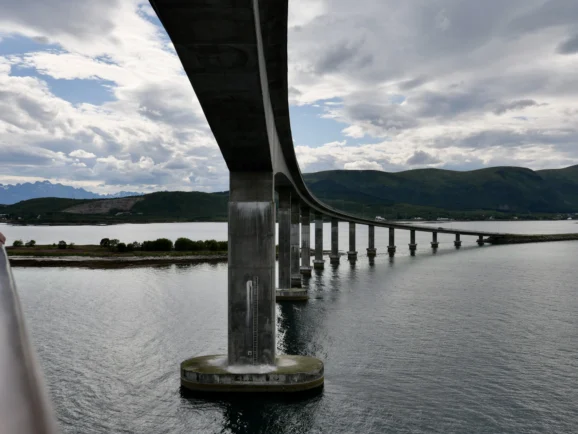
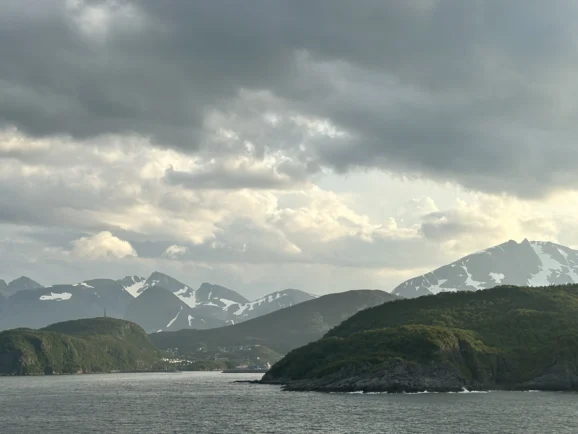
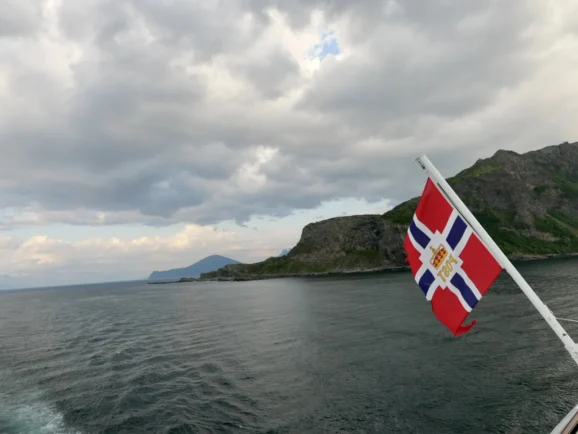
Given my interest in regenerative travel, booking Havila Pollux between Kirkenes and Trondheim was an easy choice. In bright summer sunshine, I explored fishing villages, salmon farms, scenic islands and rugged mountains. I breakfasted at North Cape, crossed the Arctic Circle, visited the UNESCO island of Vega with its rich history and culture, and glided into the narrow Trollfjord under battery power with white-tailed eagles overhead.
Eating well needn’t cost the earth
Havila’s dining philosophy matches its sustainability mission. In the elegant Havrand restaurant, locally sourced ingredients and careful preparation replace the traditional cruise buffet, keeping food waste under 75g per person per day. Lunch might be fish soup, porcini cappuccino, elk carpaccio, braised summer cabbage in beurre blanc, garlic prawns, local cheeses, or cloudberry cream. Dinner choices include lamb, duck, Finnmark reindeer, clipfish, king crab, pasta, and seasonal vegetables. All meals are included, with a 24-hour café, à la carte fine dining, and two bars on board.
Facilities include saunas, jacuzzis, a gym, a conference room, and a shop, but entertainment is minimal — the surrounding natural beauty is the main attraction.
Shore leaves and surprises
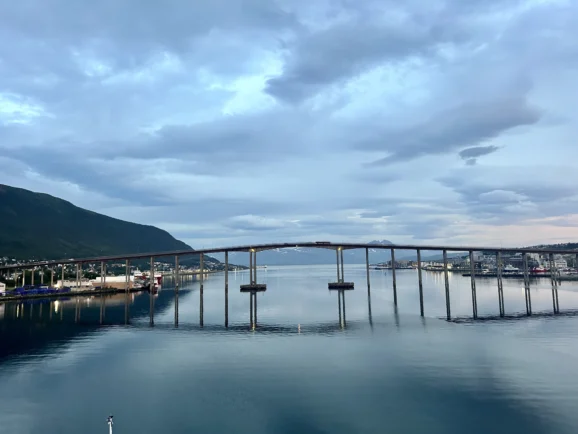
Docking in Tromsø just before midnight, passengers were invited to a candlelit service in the timber Arctic Cathedral, with a pianist, saxophonist and vocalist performing traditional and folk melodies. In Stokmarknes, the bold white and glass architecture of the Hurtigruten Museum houses the original MS Finnmarken, displayed like a ship in a bottle.
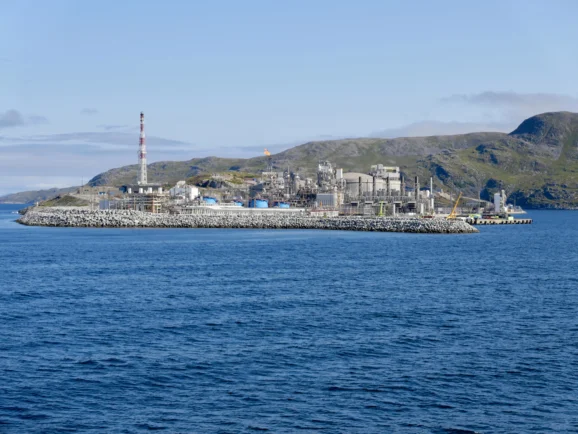
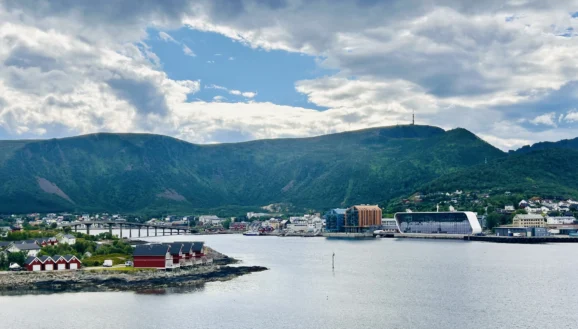
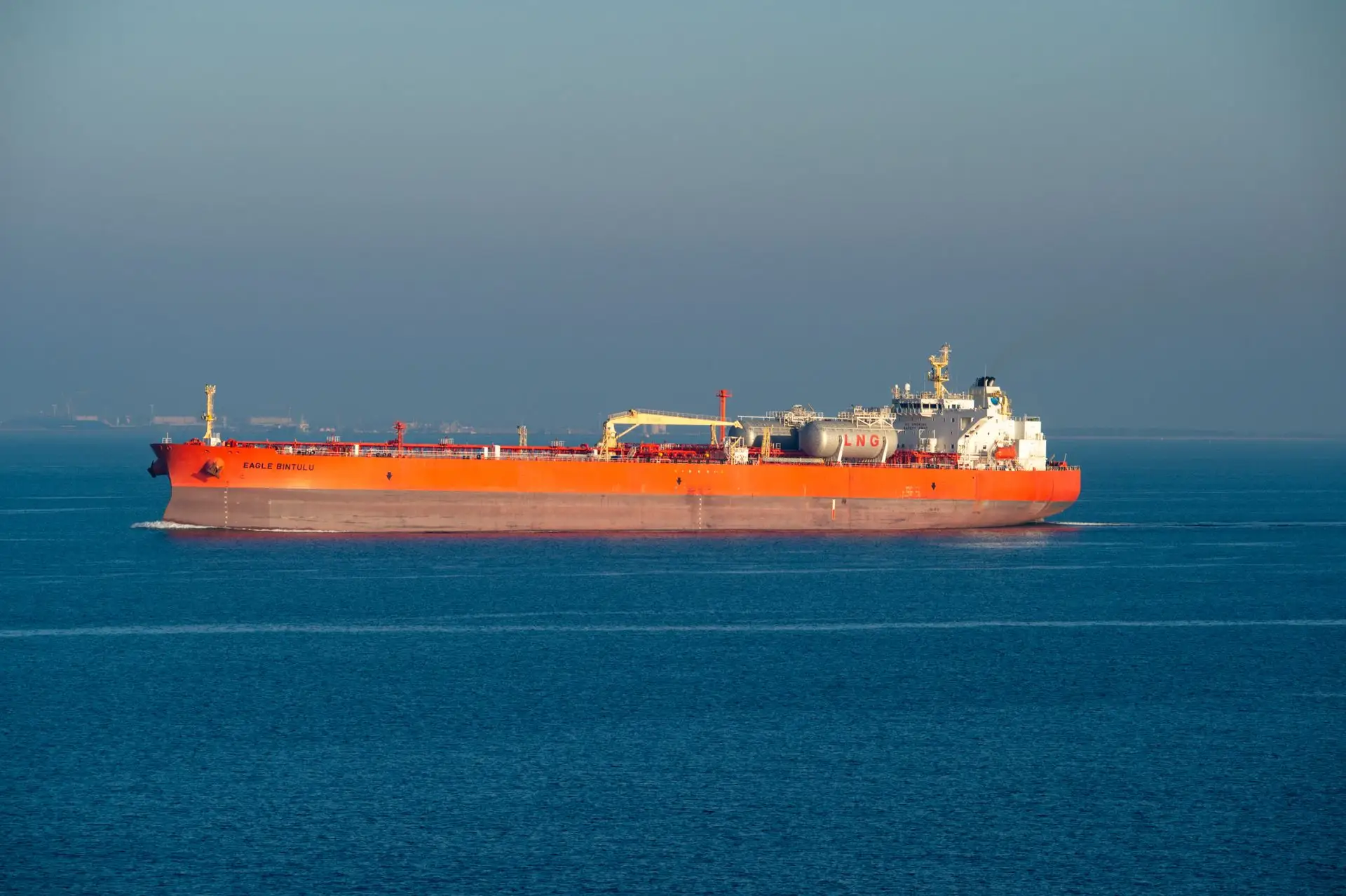
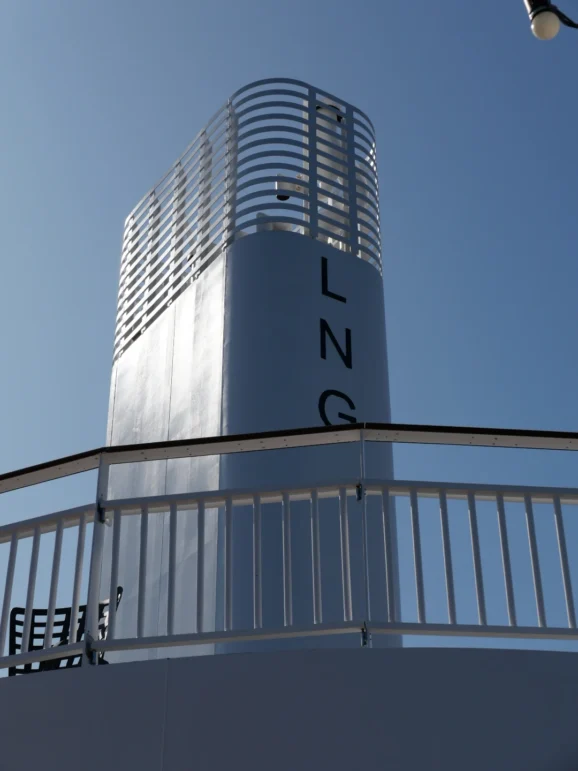
In Svolvær, the harbour was packed with tourists, a sharp contrast to two years ago when I barely saw a soul. Hammerfest is in the midst of a building boom, while nearby Melkøya island’s LNG plant had resumed operations the very morning I sailed past after a four-month closure. From the deck, I could see LNG tankers at anchor and the Pollux’s own LNG chimney, a reminder of Havila’s newly renegotiated contract to buy a third of its LNG fuel from Melkøya’s operator, Equinor.
A model for the future?
Norway’s strides towards sustainability are impressive. While mega-ships still make their way north, future regulations will limit their presence. Given the damage mass tourism has wrought on destinations from Venice to Greenland, Norway’s measures to protect its World Heritage fjords could become a model for other countries — even if it means diverting ships to alternative fjords.
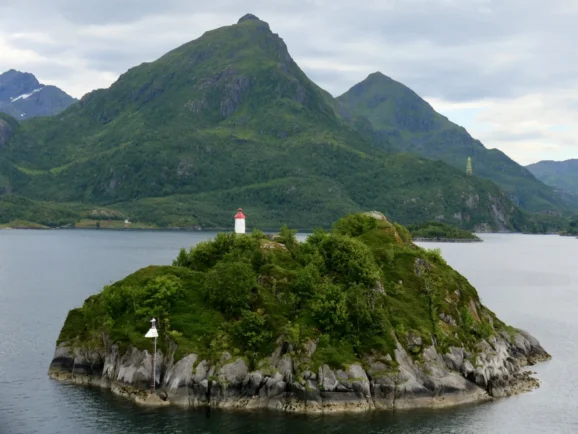
After 27 ports of call, we arrived in Trondheim. Disembarking, I felt the same excitement I did at the start and already planning a winter return, perhaps under the northern lights, best viewed from 70° north in the warmth of a cabin, bow camera on standby should storms keep me indoors.
Cruising may never be perfectly sustainable, as no large vehicle ever truly can be, but Norway shows that with political will, technology, and passenger participation, it can come far closer than ever before.
Fact-File
Getting There: Flights to Kirkenes and from Trondheim operate year-round via Oslo.
Operator: Havila Voyages (havilavoyages.com)
Route: Kirkenes–Trondheim (or reverse), with daily departures and 27 ports of call. Entire sailing route Kirkenes to Bergen.
Duration: 4 nights / 5 days for this section of the full coastal voyage.
Ship: Havila Pollux, capacity 640 passengers.
Cabins: I chose Superior sea view/alternative options available
Dining: All meals included; fine dining and café options available at extra cost.
Best Time to Go: May–September for the midnight sun; November–March for the northern lights.
Sustainability: Hybrid LNG/battery propulsion; zero-emission fjord entries; passenger Eco Voyager Programme.
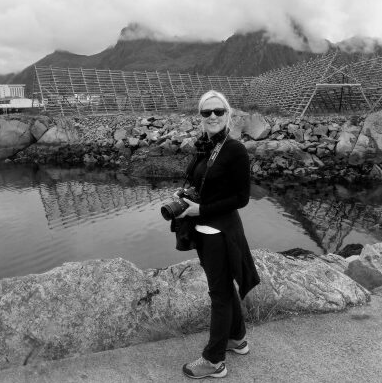
Emma Strandberg is an acclaimed travel writer and photographer who lives on the rugged west coast of Sweden. Her wildly popular books have been described as “authentic” and “gripping” by the Daily Express, and as a “triumph of travel writing” by The Sun.
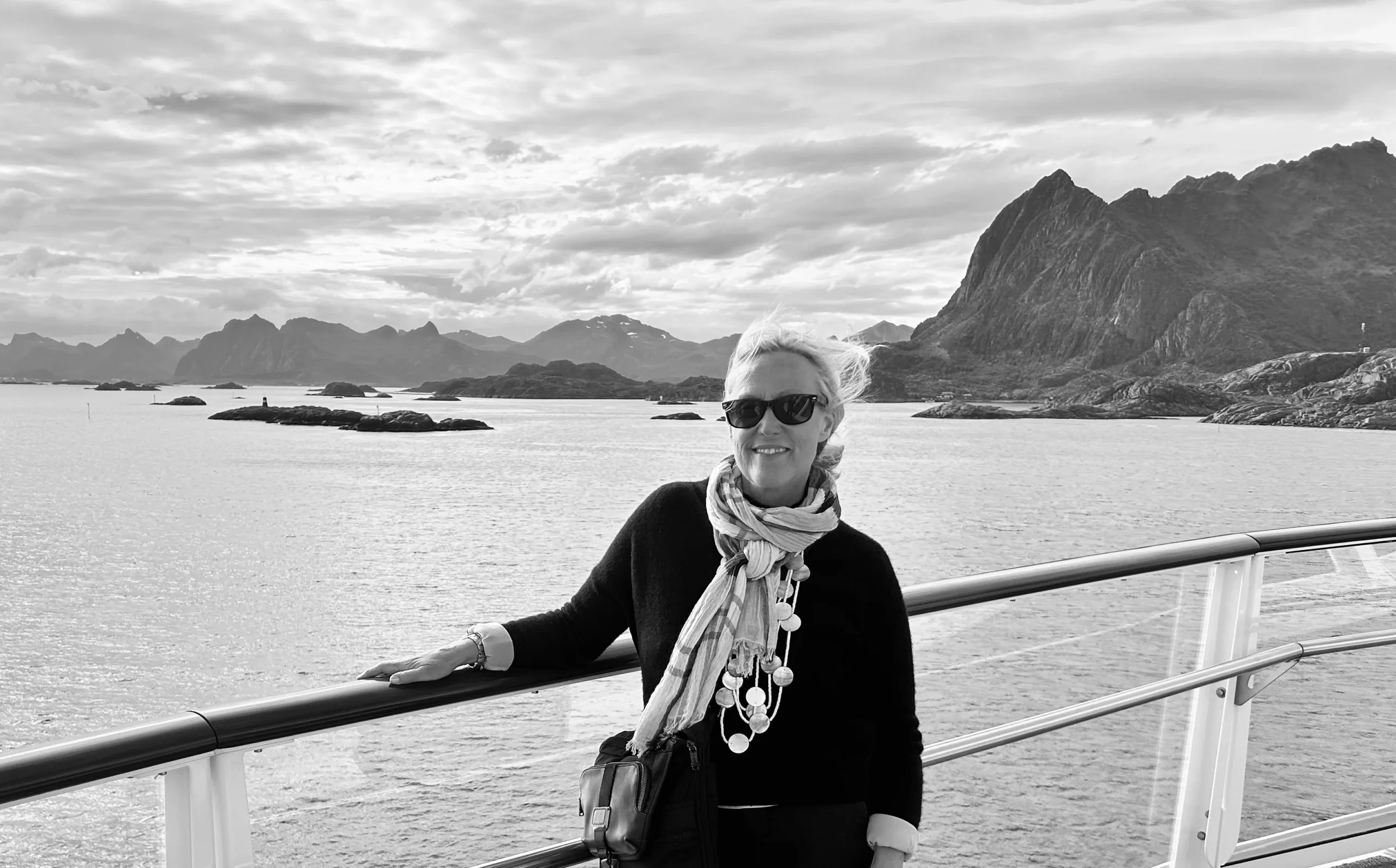
Main image: The author on deck aboard Havila Pollux, sailing through Norway’s dramatic fjord landscape. Photo, Emma Strandberg