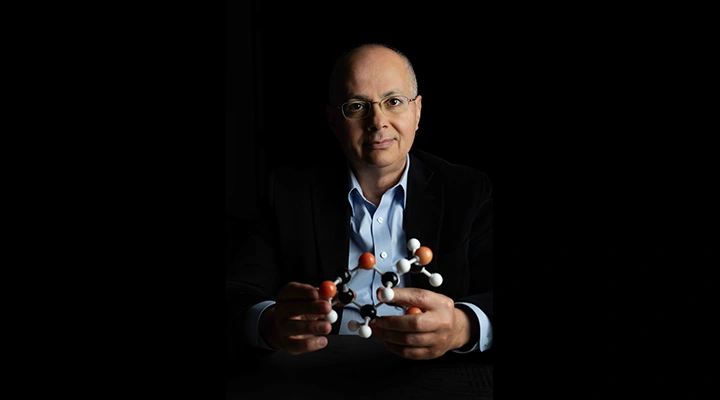
From turmeric cures to conspiracy theories, cancer myths are spreading faster than ever, fuelled by fear, false hope and viral misinformation. Our health and science correspondent, Dr Mohammad Muneeb Khan, founder of the Killing Cancer Kindly charity, examines why these beliefs take root, the real-world damage they cause, and how patients can learn to spot false claims before they do harm
Cancer, by its very nature, is unpredictable. It can shrink without treatment, lie dormant for years, or behave entirely differently in two people with the same diagnosis. This unpredictability creates fertile ground for myths to take root. A tumour that disappears on its own might be mistakenly credited to a herbal tea, a change in diet, or a spiritual ritual. These personal anecdotes quickly become legends that are shared, reposted, and repackaged as proof.
It is human nature to seek meaning in chaos. When someone claims they cured cancer with turmeric or by chanting under the stars, it offers hope. And hope, even when misplaced, can feel more reassuring than chemotherapy. This often leads people to pursue miracle cures and abandon evidence-based treatments, often with devastating consequences.
In the digital world, where information travels instantly, knowledge is often the first casualty. Social media platforms amplify sensational stories, particularly those that suggest cancer has been secretly cured, or that doctors are deliberately keeping the truth from patients. Coffee enemas, bicarbonate soda, charcoal pills and shark liver oil are presented as miracle solutions, flooding online spaces with false and dangerous promises.
A carefully worded post accusing pharmaceutical companies of hiding natural cures also plays into deep-seated mistrust. Pair that with a personal story and an eye-catching image, and the result can spread globally within minutes. The emotional pull of such content is strong, while the truth, which is usually less dramatic, often lags behind or is overlooked altogether.
It is precisely this environment that helps conspiracy theories to thrive. Cancer provokes fear and makes people feel powerless. A conspiracy theory, however nonsensical it may be, can and does restore a sense of control by suggesting that someone has answers, that secrets are being kept, that you are wise to look beyond “mainstream” advice. It also creates clear targets for anger; pharmaceutical firms, doctors, and even governments are regularly accused of working together to keep “the truth” about cancer from the public. The emotional satisfaction of blaming someone is seductive, even when the claims in question have no basis in fact.
Some even go so far as to claim cancer itself is a hoax. Not long ago, such beliefs would have been dismissed outright. But online, they are finding larger and larger audiences. It is a bitter irony that while modern medicine continues to extend and save lives, many people are placing their trust in dangerous and unproven alternatives.
These beliefs, peddled by armchair ‘experts’, come at a cost. Every oncologist has seen patients who delayed treatment because they followed advice they found online. Often, they come back too late.
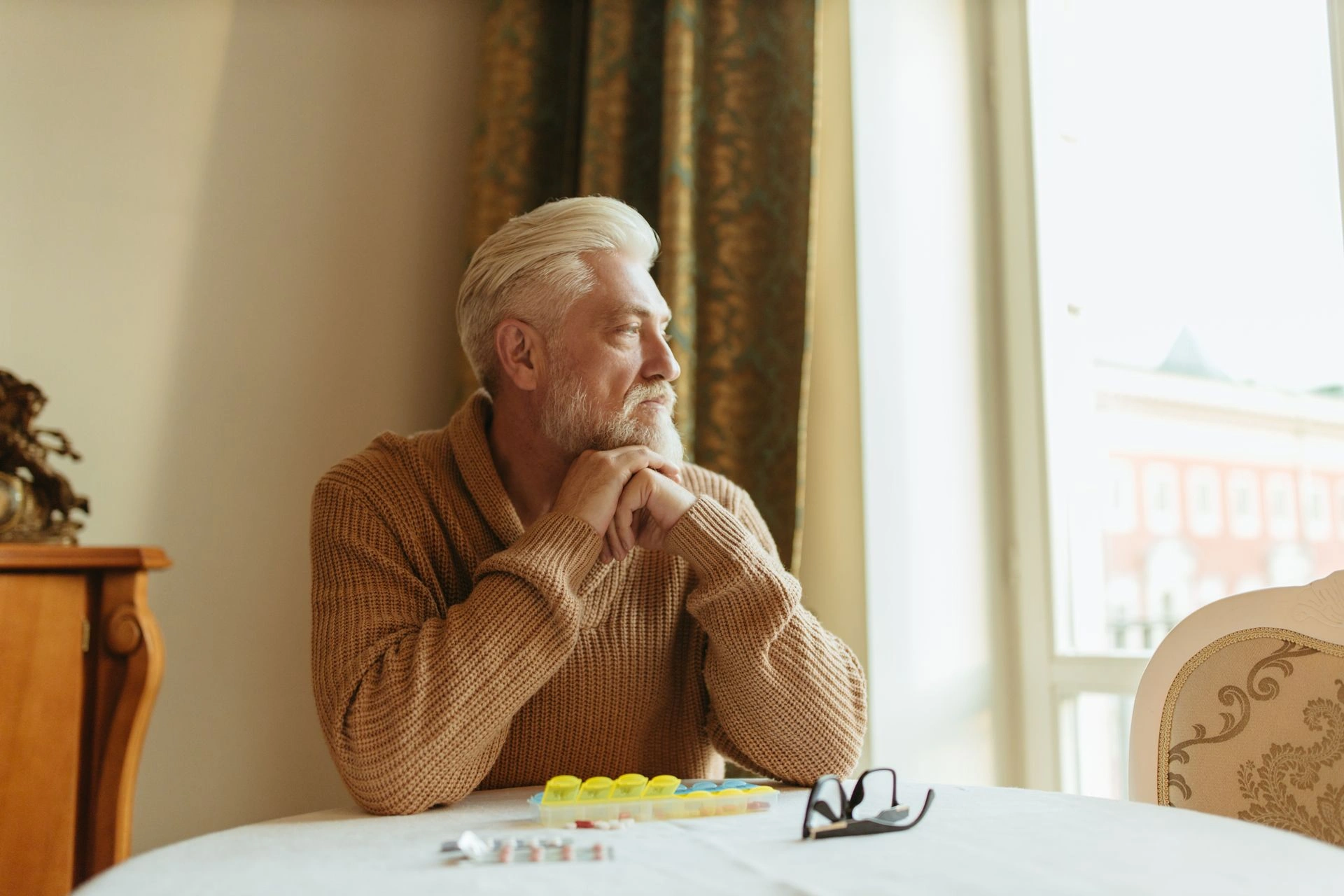
This is not a theoretical problem but one I see day after day. It is the young mother who turns down surgery for a fruit-only diet. It is the father who replaces chemotherapy with cannabis oil. It is the grandparents who might have had more time but instead chose false comfort over medical facts.
Often, the origin of a myth is a simple misunderstanding. In the 1970s, for instance, Japanese researchers noted a curious pattern: families who owned televisions were less likely to develop stomach cancer. But the real cause was nothing to do with screens. It was the refrigerator. The households with TVs tended to be wealthier and owned fridges too, which kept food fresher and reduced exposure to harmful bacteria. The link with stomach cancer was real, but the explanation was wrong.
This kind of flawed reasoning, known as the correlation fallacy, lies behind many health myths. Just because one thing follows another does not mean one caused the other. But if the science is not explained clearly, these confusions can become beliefs—and beliefs, once formed, are hard to shake.
For those facing a cancer diagnosis, it is natural to want to explore every possible option. But separating fact from fiction is essential. To help, here are five simple ways to spot misinformation:
1. Check the source. Reputable health organisations, cancer charities and peer-reviewed journals are far more reliable than anonymous blogs or personal websites.
2. Beware of buzzwords. Words like “miracle,” “secret,” “cure,” and “natural” are often warning signs when used without evidence.
3. Look for proof. Personal stories can be moving, but clinical trials and published studies are what guide real treatment decisions.
4. Talk to professionals. Always speak to your doctor before trying anything new. A good specialist will welcome questions and provide clear, data-backed answers.
5. Ask the obvious: “If this worked, why isn’t it being used in hospitals?” If there’s no convincing answer, be cautious.
These five questions are designed to help people think clearly at the very point when clear thinking becomes most difficult. They offer a practical way to navigate uncertainty by encouraging patients to pause, examine what they are being told, and weigh that advice against evidence rather than instinct or emotion.
The truth might not be as click-worthy as a miracle cure, but it is what gives patients their best shot at life. The next time you hear a bold health claim, remember that if it sounds too good to be true, it probably is. The truth about cancer does not always trend…but it does save lives.

Dr Mohammad Muneeb Khan (M.B.B.S, M.R.C.P, MSc, F.R.C.R) is a leading expert in cancer prevention and the founder of Killing Cancer Kindly, a UK-based international cancer awareness charity. With over 25 years of clinical and research experience, he has served as principal investigator on numerous national and international cancer trials and is a passionate advocate for cancer prevention, evidence-based treatment, and public education.
Dr Khan is also the author of You’ll Wish You Were an Elephant: Killing Cancer Kindly and The How, What & Why of Cancer: Separating Fact from Fiction.
Main image: Pixabay