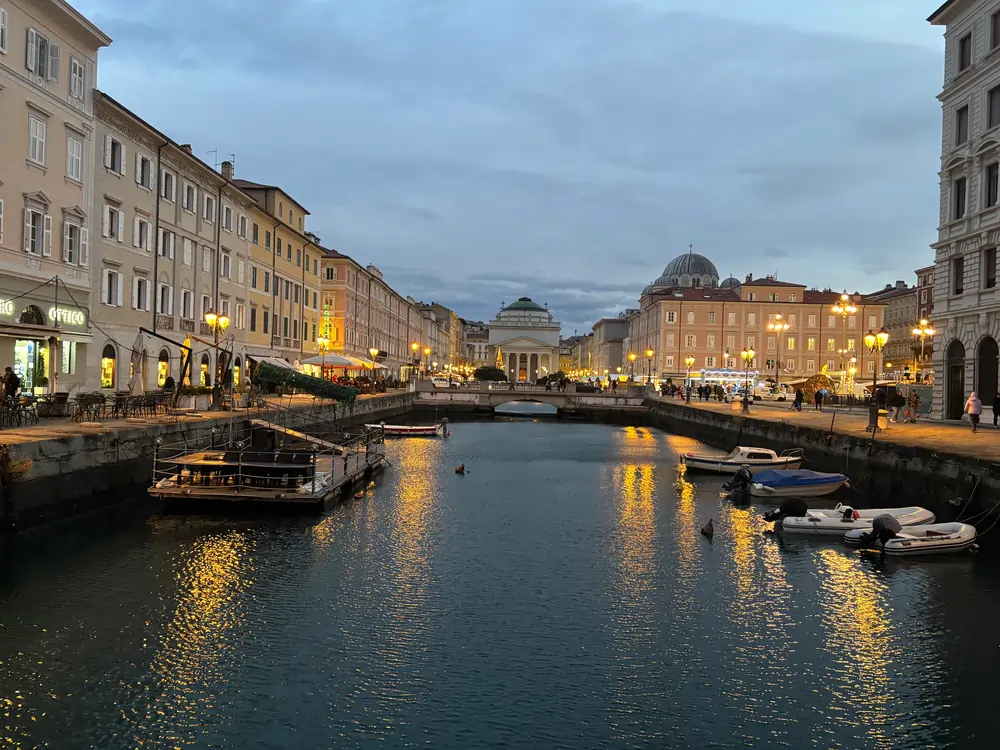
Over Christmas, former BBC World Affairs producer Oggy Boytchev went in search of a winter holiday off the beaten track and found Trieste, an underrated gem in Italy’s crown
When I said to people we were going to Trieste for our holidays, I saw puzzlement in their eyes. ‘Where is Trieste?’ was the most common response, or ‘I don’t know anybody who’s been there.’
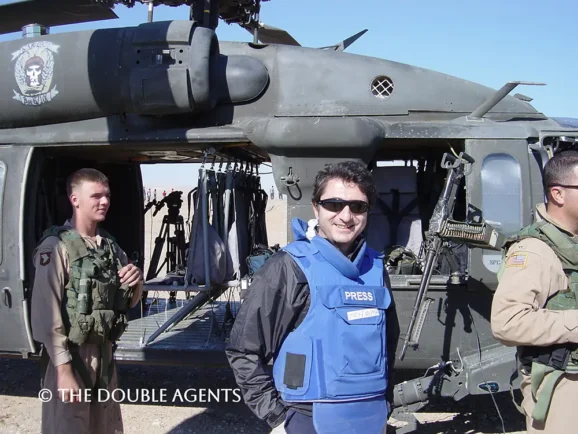
If you don’t know where Trieste is then you’re certainly not alone. Until 20 years ago, according to surveys, most Italians didn’t know that Trieste was in Italy.
For me, growing up behind the Iron Curtain in communist Bulgaria, Trieste had a special meaning. For those trying to escape the Eastern-Bloc totalitarian dictatorships, Trieste was a symbol of freedom. It was the easiest escape route to the West.
Situated at the top right hand corner of the Adriatic Sea, the port of Trieste lies on a narrow coastal strip no more than five miles wide, which connects it to the body of Italy. That narrow strip of land is tightly hemmed-in by the former Yugoslav states of Slovenia and Croatia. From the 14th to early 20th century, the port and its surrounds belonged to the Habsburg monarchy. It was an intersection of Latin, Slavic and German cultures and was known as ‘Vienna-by-the-sea’.
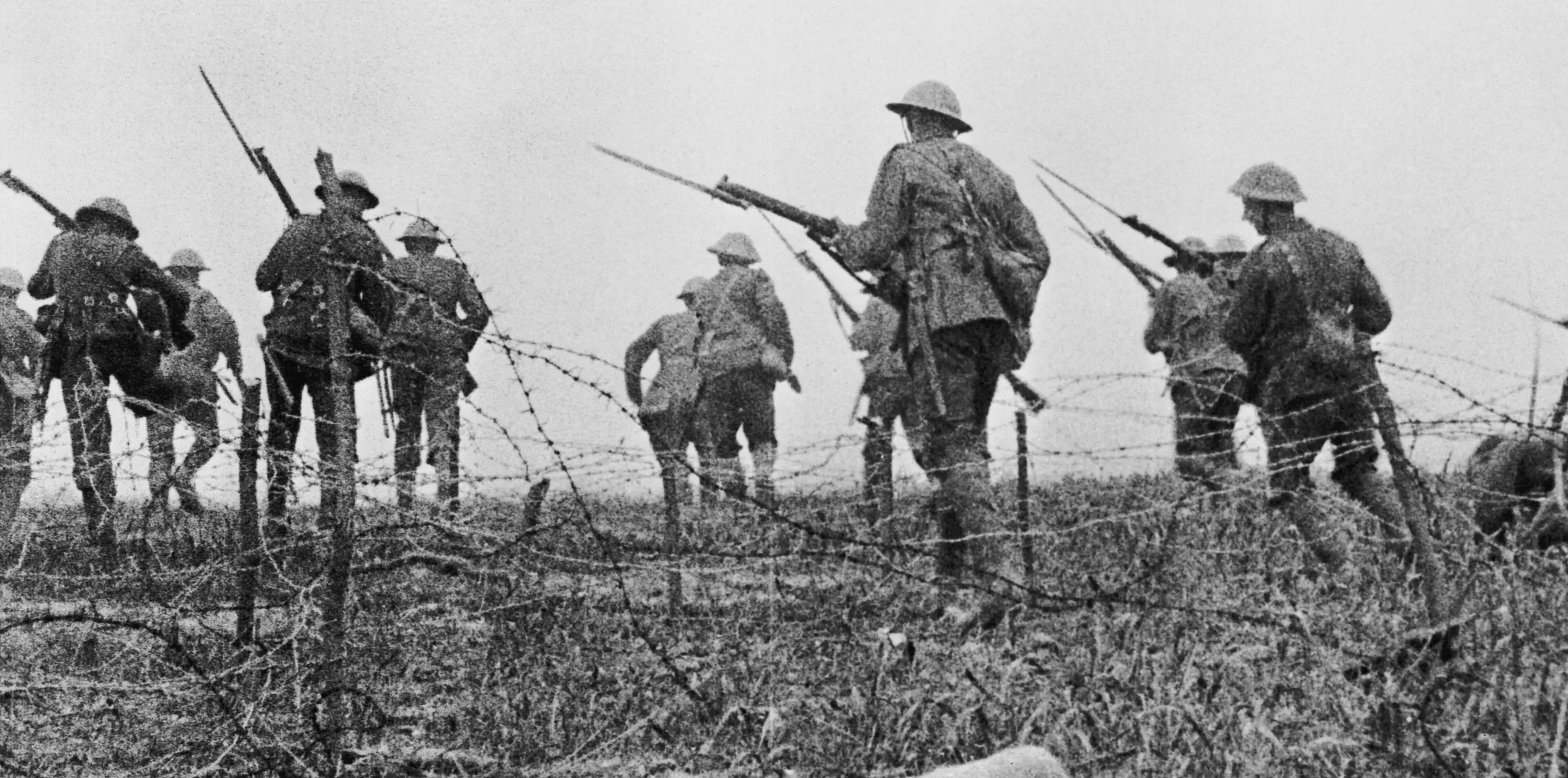
In the last days of WWII, Trieste was occupied jointly by British forces and Yugoslav partisans. The Nazis surrendered to the Brits under General Freyberg because of the partisans’ reputation of shooting prisoners of war. The dispute about who should control the territory after the war led the establishment of the Free Territory of Trieste under the protection of the UN (1947–1954). In 1954, most of the territory including the city of Trieste joined Italy. The rest was given to Yugoslavia. The dispute was finally settled with a bilateral treaty in 1975.
From the 1950s to the late 1970s, Trieste was a popular escape route from behind the Iron Curtain to the West. Safer than jumping over the Berlin Wall—providing you managed to enter Yugoslavia, which was by no means an easy task. Yugoslavia was a quasi-communist state, which allowed free travel for its citizens. By word of mouth, we vaguely knew that if you managed to get on the train to Trieste, the Yugoslav authorities would not prevent you from crossing the border into Italy. Once in Italy, so we were told, you would be sent to a refugee camp where you can claim political asylum. What we didn’t know was that the ‘refugee camp’ was a former Nazi concentration camp, Risiera di San Sabba, which is now a museum.
Getting there and what not to miss
You can take a flight from the UK to Trieste airport, but we chose to fly to Venice where we rented a car with a cross-border permit because we wanted to pop over to Ljubljana, the capital of Slovenia, which is an hour’s drive north from Trieste.
When we left the autostrada from Venice, the road abruptly fell through the pine woods towards the sea. A tall obelisk marked the beginning of Trieste. The obelisk is mentioned in the first pages of Jan Morris’s inimitable meditation on the city, Trieste and the Meaning of Nowhere, published a quarter of a century ago. Although I’d read it, we took it with us as a guide book. By the obelisk there was a sign: “Trieste – Citta del Caffe” (City of Coffee). We were to learn that Trieste is the home of the global coffee brand ‘illy’. Francesco Illi, a Hungarian-born accountant, who was stationed in Trieste at the end of WWI established his coffee business here after the war. In 1935 he invented the first fully automated coffee machine, the predecessor to modern-day espresso machines. Further to that, he pioneered packaging fresh coffee in cans under pressure with nitrogen to prevent oxidation. This way, the aroma was preserved for longer. His descendants are still running the business.
Talking of coffee, you cannot leave Trieste without visiting Caffe degli Specchi (Café of the Mirrors) on Piazza Unita d’Italia, a venerable institution with Viennese interior. There you can have a single espresso with a side shot of dark chocolate and a glass of water at the bar for one euro. Yes, you heard right—One Euro.
Those who have studied James Joyce would know that the writer moved to Trieste in 1905 at the age of 23. With some interruptions, this cosmopolitan imperial city remained his main residence until 1920. You won’t fail to notice his presence here, not least in the numerous second-hand bookshops in the old city.
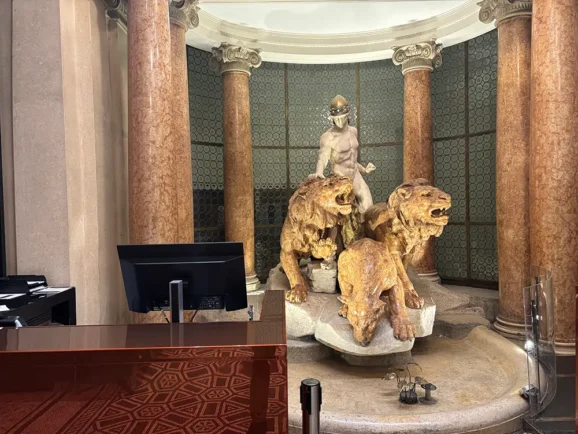
Trieste’s economy has been historically based on maritime trade. Some of the grandest buildings in the city are former insurance companies. One such building in Piazza della Repubblica, designed by Trieste-born father-and-son architects Ruggero and Arduino Berlam, has been converted into a hotel, The Double Tree by Hilton, since 2019. The building used to be called Berlam Palace for its opulence. Staying at the hotel is an experience.
Ruggero and Arduino Berlam also designed the synagogue in Trieste, one of the biggest in Europe. It commands respect with its imposing austere façade.
Some of my other favourite landmarks in Trieste are Teatro Verdi and Museo Revoltella. We managed to buy last-minute tickets for a concert at Teatro Verdi just before Christmas. It was packed with Italians. We must have been the only foreigners there.
Museo Revoltella is the former home of a local financier, Pasquale Revoltella, who was instrumental in the funding of the Suez Canal. Behind an unassuming façade close to the waterfront, there is a collection of old masters but unfortunately the modern art gallery was closed for renovation. Nonetheless it’s worth a visit just to feel the wealth of the city in the 19th century.

No visitor to Trieste can leave the place without seeing the famous Miramare Castle, a palace built of local white stone at a prominent position overlooking the bay of Trieste.
It has been described as a noble and romantic place but some say it’s a cursed house. Built in the mid-19th century for Archduke Maximilian, brother of Emperor Franz Joseph, and his wife Charlotte of Belgium, there is a haunting tale that the castle residents often met untimely violent death or misfortune. Maximilian briefly became Emperor of Mexico and was executed together with his wife by the Mexican Revolution. I refer here to a list of dignitaries in Jan Morris’s book who had slept in the castle:
– Franz Joseph’s wife, Empress Elizabeth, Sisi, was assassinated in Geneva. Sisi is now the subject of a blockbuster Netflix drama, The Empress, which marks a revival of interest in this period of European history.
– Kaiser Wilhelm II and the first King of Albania had to abdicate soon after staying there.
– The Duke of Aosta sailed from the castle to be the Viceroy of Ethiopia and never returned to Italy.
– General Bernard Freyberg, commander of the British troops who captured Trieste at the end of WWII, chose the castle as his headquarters but slept in the garden to be on the safe side. One of his American successors defied superstition and was later killed in Korea. Another died in a car crash.
Although the curse was meant only for those who slept in the castle, we opted for a walk in the garden, just to play it safe!

Main image: Canal Grande, Trieste