Government consults on social media ban for under-16s and potential overnight curfews

Dr Stephen Whitehead
- Published
- News, Technology
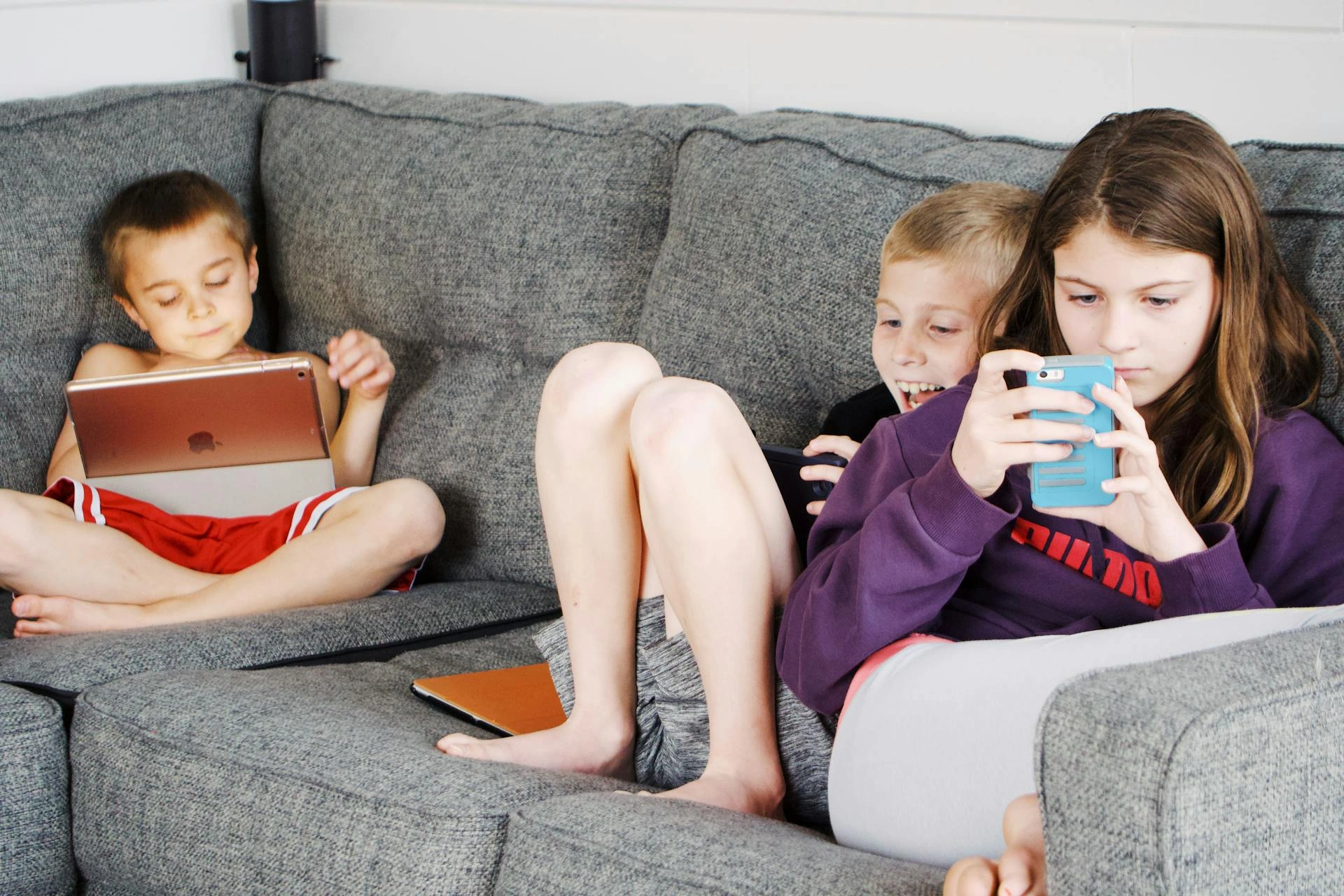
Ministers are seeking public views on whether to introduce minimum age limits, restrict AI chatbots and impose mandatory screen curfews, with new powers allowing rapid legislative action
The UK government has launched a three-month consultation on whether to ban social media for children, introduce mandatory overnight curfews and restrict access to AI chatbots.
The “landmark” consultation, published on Monday by the Department for Science, Innovation and Technology, seeks views from parents, young people, educators and industry on a range of potential new safeguards for children’s digital lives.
Among the options under consideration are a statutory minimum age for social media use, requirements for platforms to disable features such as infinite scrolling and autoplay for children, strengthened age verification rules, and limits on children’s unrestricted access to AI chatbots.
Ministers will also examine whether mandatory overnight curfews on social media could help improve sleep and whether daily screen-time limits should be introduced.
The government said it would run live pilots with families and teenagers to test how measures such as social media bans and curfews might operate in practice before any final decisions are taken.
The consultation follows the introduction of the Online Safety Act, which brought in stronger platform duties, but ministers say there is growing pressure for additional measures.
Technology Secretary Liz Kendall said: “We know parents everywhere are grappling with how much screen time their children should have, when they should give them a phone, what they are seeing online, and the impact all of this is having.
“This is why we’re asking children and parents to take part in this landmark consultation on how young people can thrive in an age of rapid technological change.”
Education Secretary Bridget Phillipson said the government would, for the first time, publish guidance on healthy screen time for children aged five to 16 alongside the consultation.
“Technology is fundamentally changing childhood. Used well, it can open up new opportunities for learning, creativity and connection, but only if we get the balance right,” she said.
The consultation closes on 26 May 2026. The government has indicated it intends to respond in the summer and has already announced legislative powers designed to allow ministers to implement changes more rapidly than under traditional primary legislation.
Alongside the consultation, ministers will run what they describe as a national engagement exercise including community events, MP-led local discussions and engagement through schools and civil society groups.
An academic panel will assess the developing evidence base, including international approaches such as those adopted for social media use in Australia.
READ MORE: ‘Why social media bans won’t save our kids‘. Politicians are rushing to block under-16s from social platforms, but the danger runs much deeper than screen time or teenage scrolling, warns Vendan Ananda Kumararajah. The real threat lies in systems built for profit, not childhood, and only a redesign of the platforms themselves will make the online world genuinely safe for young people.
Do you have news to share or expertise to contribute? The European welcomes insights from business leaders and sector specialists. Get in touch with our editorial team to find out more.
Main image: Jessica Lewis/ThePaintedSquare
TOP STORIES
-
 British buyers fuel Greek luxury property boom after non-dom tax change
 -
 New York named world’s most attractive city for tourists
 -
Saab lands German frigate deal after Poland submarine order
-
Students unveil world’s first solar-powered ambulance
-
Burnham told to tackle Britain’s cyber weak spots on day one
-
Doctors using AI before health systems set the rules
-
Humanoid robots could become the next K-pop stars
-
Hormuz flashpoint keeps global shipping on high alert
-
Scientists to gather in Lisbon to tackle next pandemic threats
-
Burnham warned digital exclusion is now a national security risk
-
Masts from Kent ‘doomsday wreck’ to be cut to prevent catastrophic explosion
-
GigaCloud and Cubbit launch sovereign cloud storage for Ukraine and Poland
-
Tributes paid to ‘forthright and fearless’ Ann Widdecombe
-
Boeing to debut Ghost Bat drone at Farnborough Airshow
-
Reeves opens ‘£2bn lifeline’ for small firms
-
Babymoon boom: Rhodes crowned 2026's top pre-baby escape as Salcombe leads UK getaway list
-
Xavier Niel to become Vodafone’s largest shareholder in £4.4bn deal
-
Two-thirds of lawyers say strong legal claims are dropped because of cost
-
UK government must "think again" about small business plan
-
Lockheed Martin pushes European missile expansion at NATO summit
-
Britain's new homes face 2050s heat test as experts warn of overheating crisis
-
Sky agrees £1.6bn deal to buy ITV’s broadcasting and streaming arm
-
Scientists crack dinosaur egg mystery by building life-size nest
-
Nobel laureate Omar Yaghi launches global science network
-
Cardiff drivers safest in Britain as London comes last