AI now trusted to plan holidays more than work, shopping or health advice, survey finds

Deborah Lyon
- Published
- News, Technology
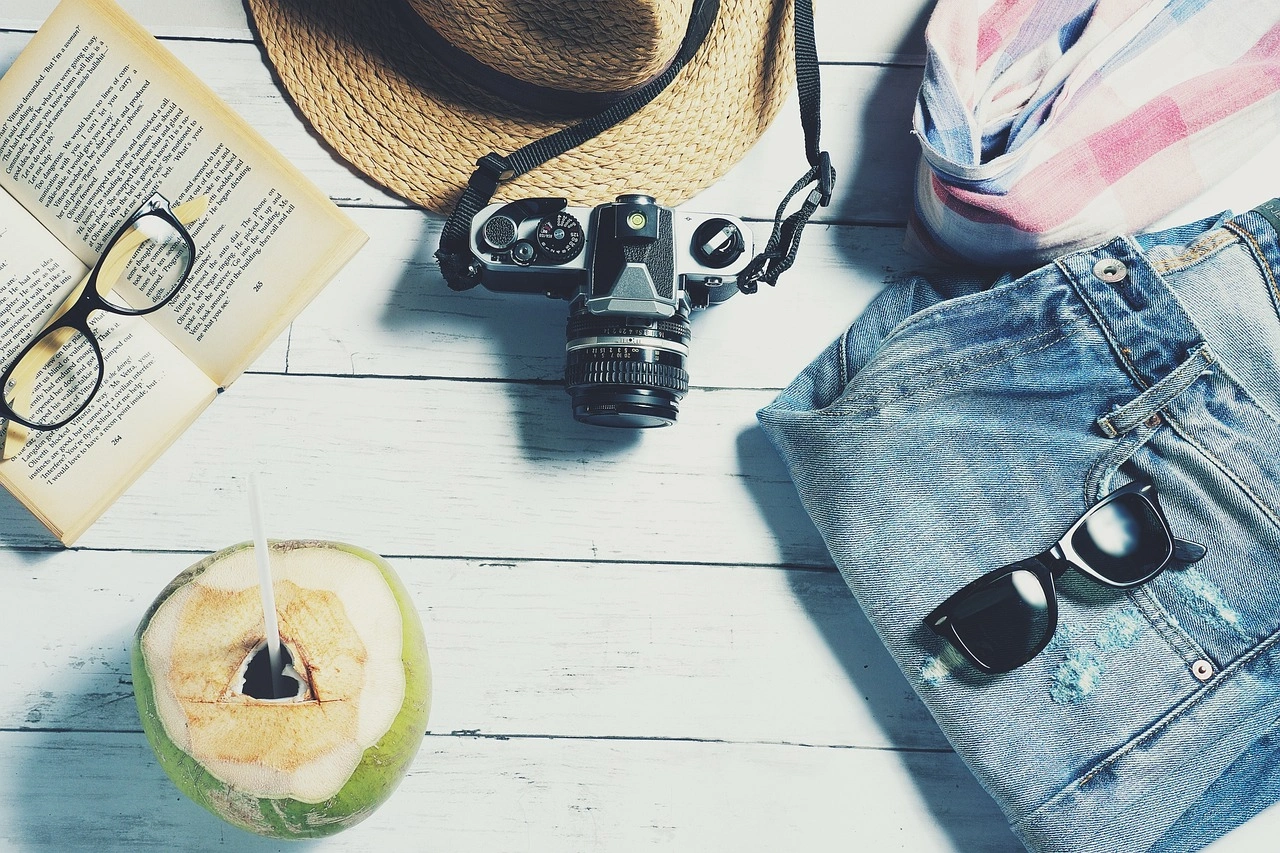
Holidaymakers are more willing to trust artificial intelligence to plan their trips than to help with shopping, work or even explaining information, according to a new consumer survey
Consumers trust artificial intelligence to organise their holidays more than they trust it to help with almost any other everyday task, according to new research.
A survey of more than 1,000 consumers found travel planning ranked as the most trusted use of generative AI, ahead of shopping recommendations, explaining information and writing documents for work.
More than a third of respondents (36 per cent) said they have complete or near-complete trust in AI to provide travel recommendations and itineraries. That compared with 33.6 per cent for shopping advice and 33.2 per cent for explaining unfamiliar information.
Far fewer people trust AI with more consequential areas of life. Only 18.8 per cent said they trust it to write documents for work, while 16.9 per cent would rely on it for medical or health advice and 15.9 per cent for solving personal problems.
Ross Borden, chief executive of travel publisher Matador Network, which conducted the research, said travel planning was a natural fit for AI because it can quickly sift through vast amounts of information.
“Since we first launched GuideGeek three years ago, I’ve viewed travel as one of the most effective ways to use AI, and also one of the most fun and lowest stakes,” he said.
“It makes sense that people trust AI with travel planning more than just about anything else. With just a little high-level info about who you are and what you care about, AI can cut through 95 per cent of the noise in the travel planning process.”
The findings come as Matador expands its own AI travel tool GuideGeek, which allows travellers to request personalised recommendations and itineraries through messaging platforms including WhatsApp, Instagram and Facebook Messenger.
The company says the system has grown to more than one million users since launching in 2023 and now integrates data from more than 1,000 travel sources.
Users say the technology can simplify complicated trips. Morna Brown from Orlando said it helped her plan a recent family holiday to Hawaii.
“It gave me ideas on where we could go, which was helpful since my son is autistic,” she said.
“It suggested several places we could go and activities he might enjoy. It even created an itinerary based on the activities we booked and places we could see nearby. It was by far the best trip I’ve been on in awhile. It was my son’s best trip ever.”
Matador said the accuracy of the AI responses has improved to more than 98 per cent within a year of launch. Tourism organisations including NYC Tourism + Conventions, Tourism New Zealand and the Aruba Tourism Authority have since partnered with the company to build customised travel assistants.
Greg Oates, Matador Network’s director of AI advocacy, said growing consumer confidence could encourage more tourism brands to adopt the technology.
“AI has become a routine part of a lot of people’s lives in many different ways,” he said.
“Given that the levels of trust in AI among travel consumers are so high, there’s a real opportunity for travel brands to focus on new AI integrations and conversions to better serve their business objectives.”
READ MORE: ‘Can we regulate reality? AI, sovereignty and the battle over what counts as real’. As Europe debates AI regulation and digital sovereignty, the deeper question may be less about chips and data centres and more about perception itself. If platforms shape what we see as real, then regulating technology is also about regulating reality, writes Alan Lawson.
Do you have news to share or expertise to contribute? The European welcomes insights from business leaders and sector specialists. Get in touch with our editorial team to find out more.
TOP STORIES
-
 British buyers fuel Greek luxury property boom after non-dom tax change
 -
 New York named world’s most attractive city for tourists
 -
Saab lands German frigate deal after Poland submarine order
-
Students unveil world’s first solar-powered ambulance
-
Burnham told to tackle Britain’s cyber weak spots on day one
-
Doctors using AI before health systems set the rules
-
Humanoid robots could become the next K-pop stars
-
Hormuz flashpoint keeps global shipping on high alert
-
Scientists to gather in Lisbon to tackle next pandemic threats
-
Burnham warned digital exclusion is now a national security risk
-
Masts from Kent ‘doomsday wreck’ to be cut to prevent catastrophic explosion
-
GigaCloud and Cubbit launch sovereign cloud storage for Ukraine and Poland
-
Tributes paid to ‘forthright and fearless’ Ann Widdecombe
-
Boeing to debut Ghost Bat drone at Farnborough Airshow
-
Reeves opens ‘£2bn lifeline’ for small firms
-
Babymoon boom: Rhodes crowned 2026's top pre-baby escape as Salcombe leads UK getaway list
-
Xavier Niel to become Vodafone’s largest shareholder in £4.4bn deal
-
Two-thirds of lawyers say strong legal claims are dropped because of cost
-
UK government must "think again" about small business plan
-
Lockheed Martin pushes European missile expansion at NATO summit
-
Britain's new homes face 2050s heat test as experts warn of overheating crisis
-
Sky agrees £1.6bn deal to buy ITV’s broadcasting and streaming arm
-
Scientists crack dinosaur egg mystery by building life-size nest
-
Nobel laureate Omar Yaghi launches global science network
-
Cardiff drivers safest in Britain as London comes last