Brussels has unveiled an EU-wide cyberbullying action plan as political pressure intensifies to curb children’s access to social media and AI chatbots, signalling that Europe may follow Australia’s lead in imposing far tougher online age controls
The European Commission has unveiled a new Action Plan aimed at tackling cyberbullying across the bloc, including plans for an EU-wide reporting app and tighter coordination of national approaches to protect children and teenagers online.
The move comes as pressure mounts across Europe for tougher action on digital harms.
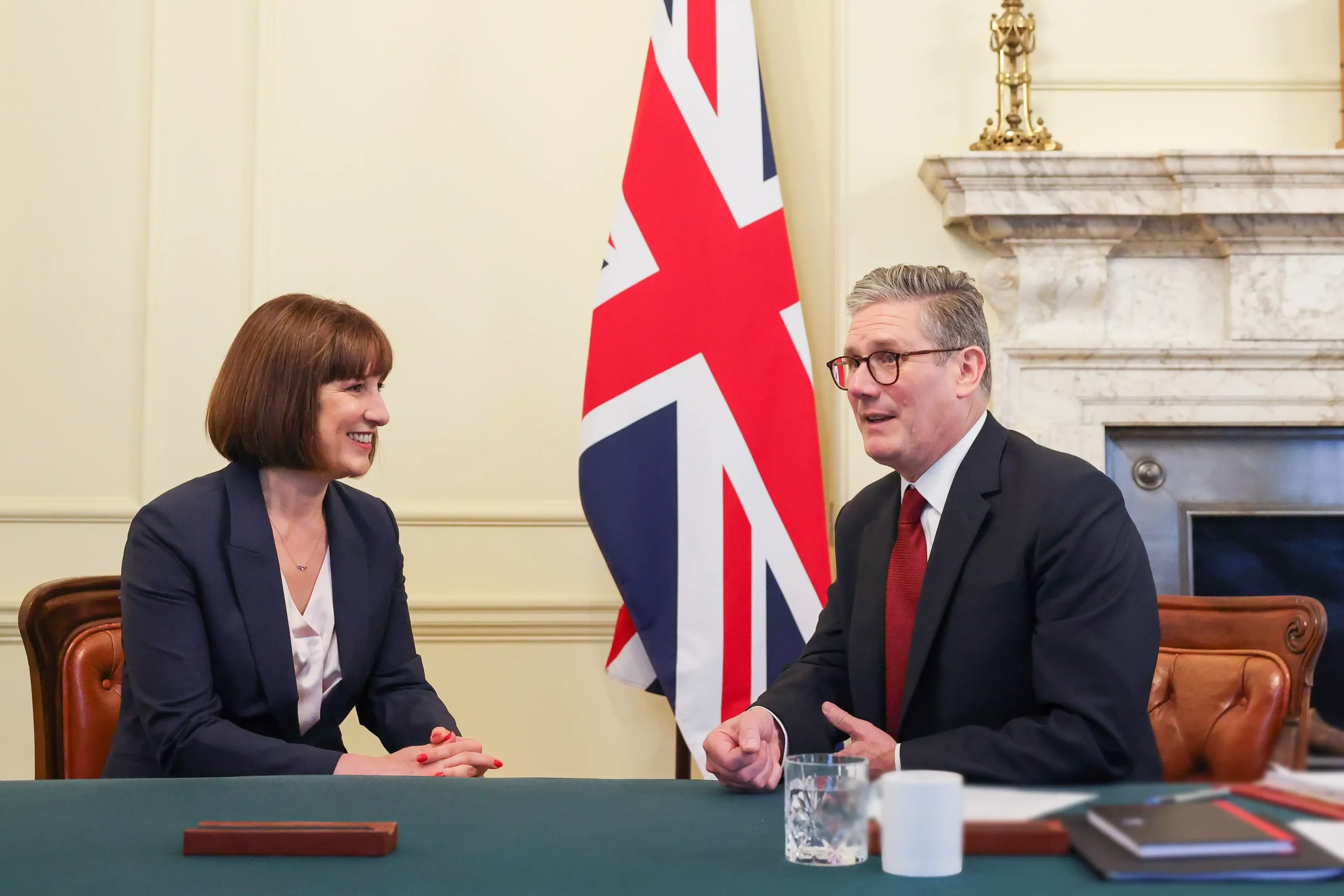
It follows remarks by UK Prime Minister Keir Starmer, who said the government would “do battle” with artificial intelligence chatbots after threatening action against X over its AI assistant Grok generating non-consensual sexual deepfakes.
Starmer pledged to close loopholes in child protection laws more quickly and warned that no platform would receive a “free pass” on online safety.
Announced in Strasbourg, the Commission’s strategy is designed to strengthen mental health protections for young people and build on existing digital safety laws, including the Digital Services Act, the Audiovisual Media Services Directive and the Artificial Intelligence Act.
At the centre of the EU plan is the rollout of an EU-wide app that will allow victims of online harassment to report abuse directly to a national helpline and securely store evidence.
The Commission will design a blueprint that Member States can adapt, translate and connect to local support services.
The initiative also calls on governments to develop comprehensive national action plans and adopt a common definition of cyberbullying to improve data collection and comparison across the EU.
Among the measures outlined, the Commission will review guidance under the Digital Services Act to strengthen protections for minors, adopt new rules clarifying the role of “trusted flaggers” in reporting illegal content, and address cyberbullying in the ongoing evaluation of video-sharing platform rules under the Audiovisual Media Services Directive.
It will also support enforcement of the Artificial Intelligence Act, particularly provisions banning harmful manipulative systems and requiring transparency around AI-generated content, including deepfakes that may be used for harassment.
Henna Virkkunen, Executive Vice-President for Tech Sovereignty, Security and Democracy, said: “Children and young people have the right to be safe when they are online. Cyberbullying undermines this right, leaving them feeling hurt, lonely, and humiliated. No child should be made to feel this way.
“This Action Plan complements our existing toolbox to protect minors online by calling on the EU and Member States to build a coordinated approach to counter cyberbullying at every level.”
Glenn Micallef, Commissioner for Intergenerational Fairness, Youth, Culture and Sport, added: “Combating cyberbullying means saving lives, because cyberbullying harms, hurts, and sometimes takes the people we love. It is a pandemic we must address.
With the EU Action Plan against cyberbullying, Europe teams up to create a safer online space where children, young people – every generation can learn, grow, and stay connected.”
Prevention will form a core strand of the strategy, with the Commission pledging to update its digital literacy guidance for educators and expand resources through national Safer Internet Centres and the Better Internet for Kids platform.
Around 48 million European citizens accessed Safer Internet Centre resources in 2025, according to Commission data.
The plan comes amid growing concern over the scale of online abuse. Commission figures estimate that around one in six children aged 11 to 15 report having experienced cyberbullying, while one in eight admit to bullying others online.
A recent Eurobarometer survey found that more than nine in ten Europeans believe urgent public action is needed to protect children from the negative mental health impacts of social media and online harassment.

In the UK, Starmer has proposed extending the scope of the Online Safety Act to include AI chatbots, introducing faster legislative processes to keep pace with technological change, and requiring coroners to notify Ofcom of the death of any child aged five to 18 so relevant digital data can be preserved.
Ministers have also signalled plans to consult on restricting children’s access to AI chatbots, limiting infinite scrolling features and tightening age-verification measures.
In an article on the website Substack, external, Sir Keir wrote: “In the past 20+ years, social media has evolved to become something completely different from the simple, stripped-back pages it was in its conception.
“And in that evolution, it has become something that is quietly harming our children.”
The prime minister added he wanted to “crack down on the addictive elements of social media, stop the auto-play, the never-ending scrolling, that keeps our children hooked on their screens for hours, and stop kids getting around age limits.
“And if that means a fight with the big social media companies, then bring it on,” he said.
The EU Action Plan was developed following consultation with more than 6,000 children and a broader public consultation.
It will be implemented in partnership with Member States, industry, civil society and international organisations, alongside forthcoming initiatives including an EU privacy-preserving age verification pilot and the proposed Digital Fairness Act.
READ MORE: ‘Tech addiction: the hidden cybersecurity threat‘. From childhood screen habits to workplace fatigue, technology is draining focus across every part of modern life. The result is a workforce more vulnerable to mistakes, manipulation and increasingly sophisticated cyberattacks, warns Steve Durbin of the Information Security Forum (ISF).
Do you have news to share or expertise to contribute? The European welcomes insights from business leaders and sector specialists. Get in touch with our editorial team to find out more.
Main image Max Fischer/Pexels