European Commission issues new cancer prevention guidance as EU records 2.7m cases in a year

John E. Kaye
- Published
- News
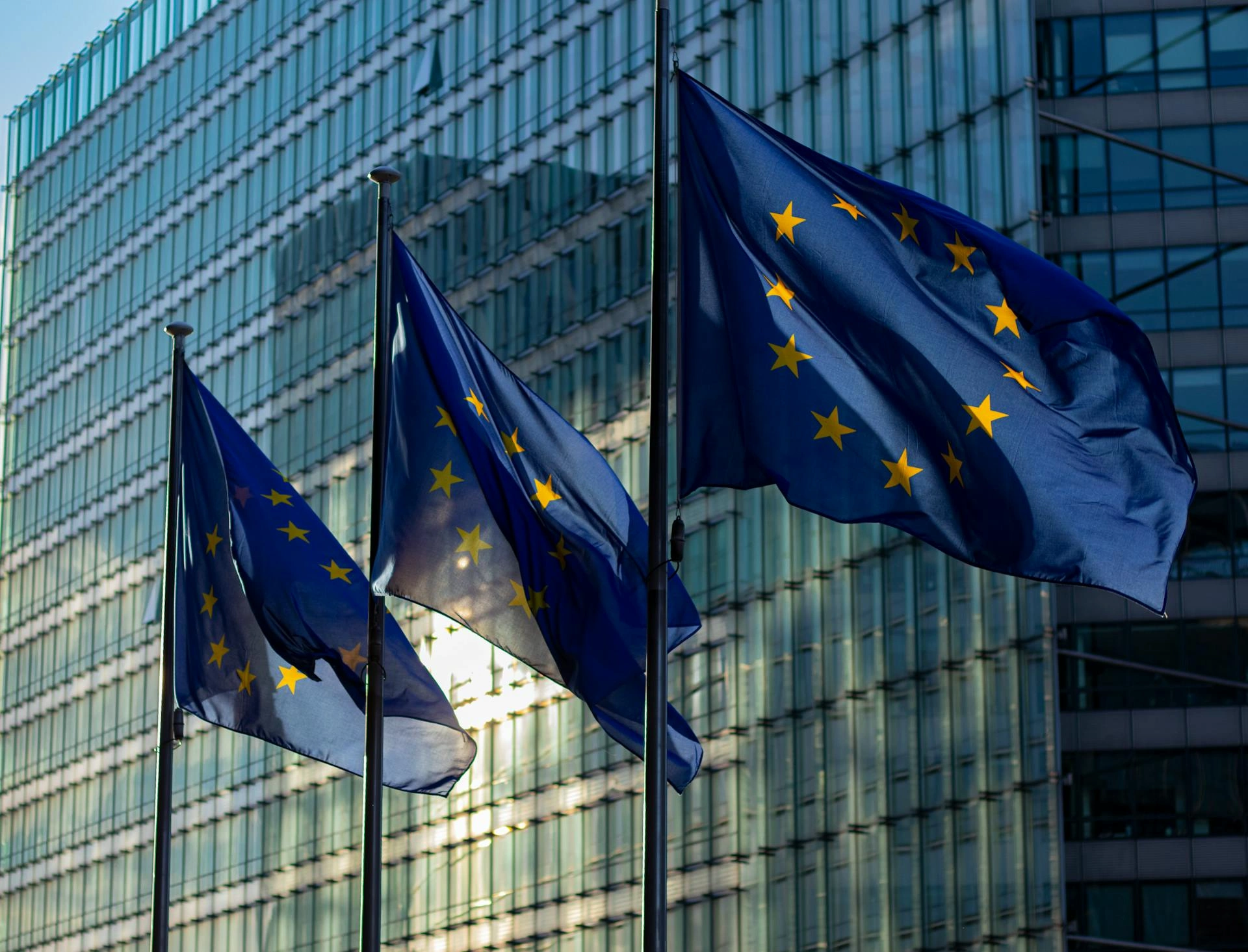
Updated European Code Against Cancer published on World Cancer Day as Brussels marks five years of its Beating Cancer Plan and warns that many cases remain preventable
The European Commission has published a revised European Code Against Cancer on World Cancer Day today as new figures underline the scale of the disease across the EU, with an estimated 2.7 million new cases and 1.3 million deaths recorded in 2024.
The updated Code, produced by the International Agency for Research on Cancer on behalf of the Commission after four years of work by more than 60 public health experts, sets out practical guidance intended to reduce cancer risk through lifestyle choices and public health measures.
It places renewed emphasis on vaccination, screening, breast-feeding, alcohol intake, ultra-processed food and air pollution, and reflects evidence that many of the risk factors for cancer overlap with those for other non-communicable diseases such as cardiovascular conditions.
The Commission estimates that 40 per cent of cancer cases and 80 per cent of premature heart attacks and strokes could be prevented by addressing these shared risks.
The publication coincides with the fifth anniversary of Europe’s Beating Cancer Plan. Since its launch, more than €2.7bn has been invested in prevention, early detection, treatment and care, with almost 630 organisations now working with the Commission under the programme alongside the EU Cancer Mission to strengthen research into the drivers of the disease.
Speaking on World Cancer Day, Health and Animal Welfare Commissioner Olivér Várhelyi said: “World Cancer Day is a moment to reiterate our firm commitment to tackling this devastating disease and supporting those affected by it. Unlocking the Cancer Plan’s full potential will lead to strengthened prevention, early detection and better access to treatment regardless of geography or income.
“It also means strengthening Europe’s strategic autonomy in the healthcare sector, accelerating research, supporting innovation and boosting investment. We have taken important steps in this direction and the path ahead is clear: we must keep working to better protect our citizens, through prevention, robust and streamlined health policies in the EU.”
READ MORE: ‘Why mere survival is no longer enough for children with brain tumours‘. While medical advances now allow most children with brain tumours to live for decades after diagnosis, the system still fails to measure, model, and properly fund the long-term rehabilitation that determines how well they live those years. Marco Previero, our Health Innovation Correspondent, draws on his daughter’s recovery to show why rehabilitation deserves the same rigour, funding, and policy attention as treatment.
Do you have news to share or expertise to contribute? The European welcomes insights from business leaders and sector specialists. Get in touch with our editorial team to find out more.
Main image: Marco/Pexels
TOP STORIES
-
 British buyers fuel Greek luxury property boom after non-dom tax change
 -
 New York named world’s most attractive city for tourists
 -
Saab lands German frigate deal after Poland submarine order
-
Students unveil world’s first solar-powered ambulance
-
Burnham told to tackle Britain’s cyber weak spots on day one
-
Doctors using AI before health systems set the rules
-
Humanoid robots could become the next K-pop stars
-
Hormuz flashpoint keeps global shipping on high alert
-
Scientists to gather in Lisbon to tackle next pandemic threats
-
Burnham warned digital exclusion is now a national security risk
-
Masts from Kent ‘doomsday wreck’ to be cut to prevent catastrophic explosion
-
GigaCloud and Cubbit launch sovereign cloud storage for Ukraine and Poland
-
Tributes paid to ‘forthright and fearless’ Ann Widdecombe
-
Boeing to debut Ghost Bat drone at Farnborough Airshow
-
Reeves opens ‘£2bn lifeline’ for small firms
-
Babymoon boom: Rhodes crowned 2026's top pre-baby escape as Salcombe leads UK getaway list
-
Xavier Niel to become Vodafone’s largest shareholder in £4.4bn deal
-
Two-thirds of lawyers say strong legal claims are dropped because of cost
-
UK government must "think again" about small business plan
-
Lockheed Martin pushes European missile expansion at NATO summit
-
Britain's new homes face 2050s heat test as experts warn of overheating crisis
-
Sky agrees £1.6bn deal to buy ITV’s broadcasting and streaming arm
-
Scientists crack dinosaur egg mystery by building life-size nest
-
Nobel laureate Omar Yaghi launches global science network
-
Cardiff drivers safest in Britain as London comes last