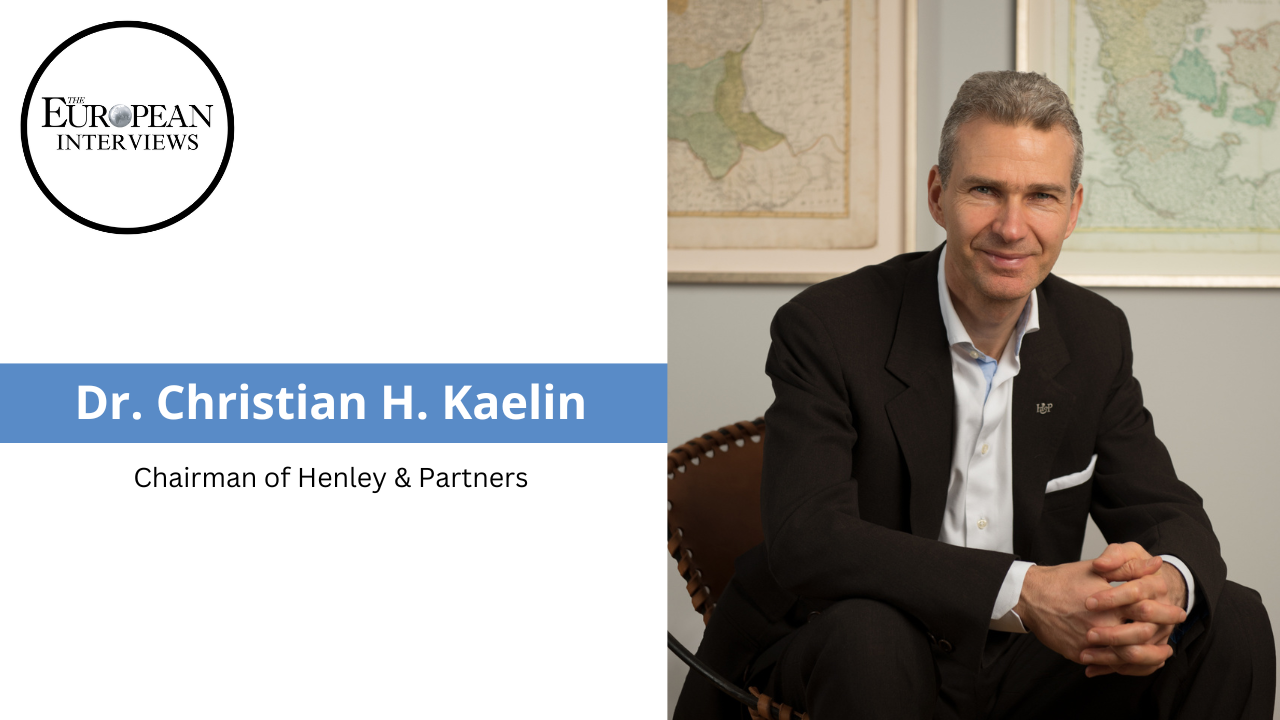
Forward-thinking nations are building sovereign equity through dialogue with global investors, transforming citizenship into partnership, writes Dr Christian H. Kaelin, TEP, FIMC, Chairman at Henley & Partners
The concept of sovereign equity, which I introduced at Davos in 2020, proposed that investment migration creates mutual value through a new form of partnership between individuals and nation-states. States offer enhanced global mobility and security, while investors inject debt-free capital that generates sovereign and societal value. Now, as Davos convenes under the theme ‘A Spirit of Dialogue’, this framework has evolved from novel concept to essential strategy for nations navigating an increasingly fractured world.
The acceleration of global wealth mobility reflects fundamental shifts in how successful individuals and sovereign states interact. From the individual perspective, building ‘sovereign portfolios’ — diversified holdings of residence and citizenship rights across multiple jurisdictions — has become essential risk management. Wealthy families now evaluate countries not merely as places to park capital, do business, or reside, but as partners in securing their futures. They seek institutional resilience, a good business and investment environment, world-class healthcare, educational excellence, and governments willing to engage in genuine dialogue about shared prosperity. Meanwhile, forward-thinking nations have moved beyond viewing investment migration merely as a revenue mechanism, recognising it instead as a pathway to attract the talent, networks, and capital essential for competitiveness in the twenty-first century.
These shifts accelerate against deepening global fractures. Russia’s war in Ukraine approaches its fifth year, transforming European energy markets and defence postures. Gaza lies in ruins, while conflict disrupts Red Sea shipping lanes that carry twelve percent of global trade. Military confrontation looms across the Taiwan Strait as the world’s two largest economies decouple their supply chains. Immigration debates fracture domestic politics from Washington to London to Berlin. In this environment, both individuals and states seek new models of engagement that transcend traditional boundaries.
Europe’s strategic miscalculation
The European Union’s irrational view on investment migration represents a profound strategic error that will likely haunt the continent for decades. However, many of the member states’ governments see this differently and maintain, and even increase, their investment migration options to foreign investors as the benefits are clear and risks are very limited. While Singapore, the USA, the UAE and other forward-thinking countries embrace dialogue with global wealth, Brussels clings to an increasingly obsolete conception of false nationalism rather than twenty-first-century realities. Of all continents, moreover, Europe is the one which needs foreign direct investments the most.
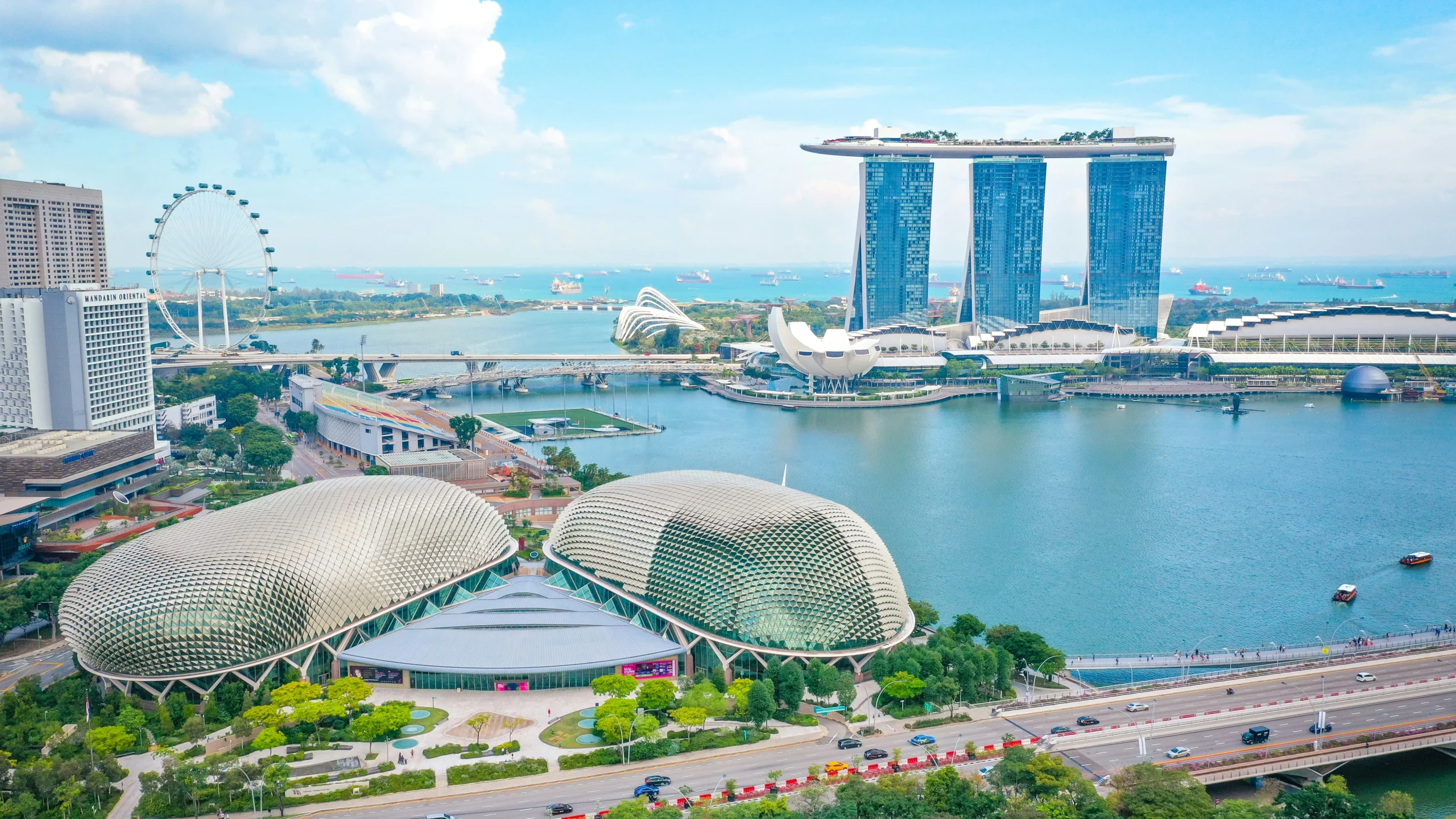
Consider the contrast: Singapore hosts 1,400 family offices through deliberate consultation with wealth holders, co-designing policies that serve both sovereign and private interests. The UAE has transformed itself into a global wealth hub through systematic engagement with investors, treating them as partners in national development. Meanwhile, Europe makes things harder for international investors who also seek residence, tightens restrictions, and watches its millionaires and many other highly productive people depart for more welcoming shores. As a European, this is a sad story.
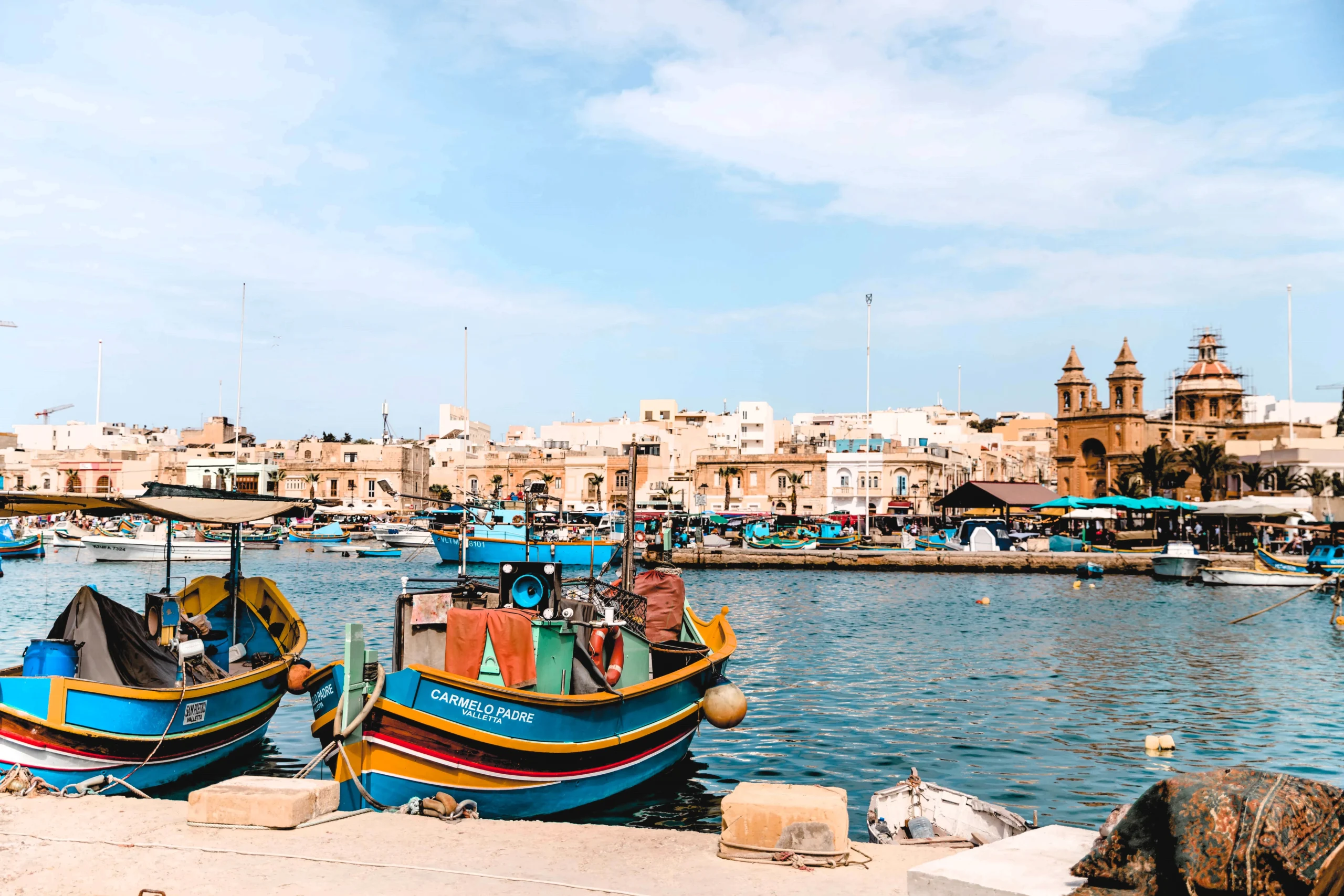
The European Court of Justice’s ruling last year against Malta’s citizenship by investment programme exemplifies this shortsightedness and is also a low point in European legal certainty. One could say that it’s a serious low point for the rule of law in Europe as it is one of an increasing number of politicised court judgments. Despite clear legal precedent supporting national sovereignty in citizenship matters, the court chose political expediency over juridical consistency. This decision doesn’t just affect Malta — it signals to global investors that Europe prioritises political influence over courts over the rule of law, bureaucracy over economic dynamism. The irony is palpable: while Europe struggles with demographic decline, economic stagnation, many social issues, and the need for innovation capital, it systematically dismantles one of the very mechanisms that could address these challenges.
Germany’s situation proves particularly instructive. Despite being Europe’s largest economy, it fails to attract or retain global talent at competitive rates. The absence of any investment migration framework means Germany misses opportunities that smaller, more agile nations seize. While Greece, Italy, and Portugal have leveraged residence programmes to attract billions in foreign direct investment, Germany clings to outdated models.
The architecture of sovereign equity
Investment migration, properly conceived, represents the purest form of sovereign equity creation. Unlike debt financing, which burdens future generations, or taxation, which extracts from existing residents, investment migration brings fresh capital, expertise, and networks that benefit entire societies. The programmes generate immediate liquidity for governments while creating employment, spurring innovation, and enhancing competitiveness.
From the private wealth perspective, this creates what we might call ‘sovereign portfolios’ — diversified residence and citizenship holdings that provide optionality in an uncertain world. Just as prudent investors diversify financial assets, proactive families diversify sovereign relationships. Caribbean citizenship provides greater travel freedom and global mobility for business growth. European and American or Australian residence ensures excellent educational and lifestyle opportunities. Dubai and Singapore provide attractive tax incentives and strategic access to regional markets. These are not back-up plans but active strategies for global engagement.
The most successful programmes recognise this multi-dimensional value. Singapore’s Global Investor Program doesn’t merely sell residence — it requires substantial business track records and ongoing commercial engagement. Participants must demonstrate not just wealth but the ability to create value. The programme has attracted founders of unicorn companies, serial entrepreneurs, and family offices managing generational wealth. These individuals bring more than capital; they bring expertise, networks, and entrepreneurial energy that catalyses entire sectors.
The UAE’s Golden Visa evolved similarly. What began as a simple residence programme has transformed into a comprehensive engagement platform linking visa holders to investment opportunities, philanthropy networks, and business ecosystems. The UAE’s Golden Visa initiative recognises that attracting wealth requires more than tax incentives — it demands world-class infrastructure, regulatory excellence, and genuine partnership between government and private capital.
The sovereignty-mobility nexus
Modern sovereignty cannot be understood apart or separate from mobility. States that restrict movement restrict their own potential. Those that facilitate circulation — of people, capital, and ideas — position themselves for twenty-first-century success. Investment migration programmes represent the institutional expression of this reality.
Yet some of the European leadership in Brussels remain trapped in zero-sum thinking about citizenship and residence. They view every passport granted to a highly qualified investor or entrepreneur who comes to Europe to create jobs as sovereignty diluted rather than sovereignty enhanced — while giving hundreds of thousands of passports to individuals who may or may not be very qualified to contribute to European society just because their ancestry may be European or because they spent a number of years living in Europe. This reflects a fundamental misunderstanding of how modern states accumulate power and prosperity. In an interconnected world, the ability to attract and integrate global talent determines national competitiveness more than natural resources or geographic advantages.
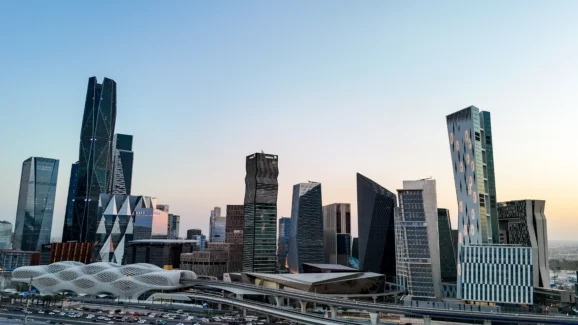
The contrast between static and dynamic approaches to sovereignty becomes clear when examining outcomes. Countries with modern, robust investment migration frameworks consistently outperform those without in attracting foreign direct investment, developing innovation ecosystems, and maintaining fiscal stability. Malta, as an example and despite its small size, has leveraged citizenship by investment to transform itself into one of the best performing economies in the Eurozone. Portugal used golden visa investments to emerge from a real estate and financial crisis.
Greece channels investment migration capital towards renewable energy and technology ventures besides having significantly supported its own real estate market after the economic crisis. Italy attracts talent and wealth creators by innovative residence and tax policies.
Meanwhile, countries that reject investment migration struggle with brain drain, capital flight, and demographic decline. That is not to say that investment migration would be the cure, but it could significantly counter these dangerous negative trends as opposed to watching their best and brightest depart for countries that offer not just opportunity but belonging. The UK, while no longer in the European Union — but that is a separate story — is a particularly stark example, losing the most millionaires of any country today, while also losing qualified professionals such as doctors, nurses, and teachers.
The tragedy is that many of these countries desperately need what investment migration provides — capital, entrepreneurship, global connections — yet ideology prevents them from embracing pragmatic solutions.
Healthcare and education as sovereign assets
The evolution of investment migration reveals a sophisticated understanding of what truly attracts global families. Beyond financial incentives, successful programmes integrate healthcare excellence, educational opportunity, and lifestyle considerations into comprehensive value propositions.
Singapore exemplifies this holistic approach. The city-state’s investment migration framework connects seamlessly with its world-class healthcare system, top-tier schools, and vibrant business ecosystem. Families do not simply buy residence — they buy into a complete infrastructure designed to support multi-generational success. This integration didn’t happen by accident but through deliberate policy coordination between immigration, health, education, and economic development.
The UAE has followed a similar playbook, and with great success, recruiting Cleveland Clinic, Johns Hopkins Medicine, and other medical institutions while developing education partnerships with leading global schools and universities. These investments in social infrastructure complement residence programmes, creating an ecosystem that attracts families rather than just individuals. Saudi Arabia’s Vision 2030 takes this further, with its Premium Residency Law explicitly linking investment migration to healthcare development, education reform, and economic diversification.
Europe’s fragmented approach contrasts sharply. While individual member states maintain excellent healthcare and education systems, they fail to integrate these assets into coherent investment migration strategies. The result is missed opportunities and competitive disadvantages. Wealthy families seeking European residence must navigate inefficient bureaucracies, uncertain tax regimes, and political hostility rather than finding partners eager to facilitate their contribution to local prosperity.
Tomorrow’s sovereign bridges
Looking forward, the nations that thrive will be those that master the art of dialogue and building bridges — between governments and citizens, between states and investors, between local and global. Investment migration, properly implemented, facilitates all three dialogues. It creates channels for productive engagement that benefit both sovereigns and individuals.

The spirit of dialogue that will pervade Davos 2026 must extend to how we think about citizenship, residence, and belonging. The binary distinctions of the past — citizen or foreigner, resident or visitor — no longer capture the complexity of modern mobility. This is clearest in the lives of refugees and forcibly displaced people, whose journeys rarely fit neat labels: they may begin as emergency arrivals, become long-term residents, and ultimately foundational contributors. Successful states will develop nuanced frameworks that recognise degrees of engagement and contribution.
This means moving beyond transactional approaches to investment migration towards genuine partnership models. Future programmes might require participants not only to invest capital but to mentor start-ups, support social enterprises, or contribute expertise to national development priorities. The goal shifts from attracting money to attracting partners in prosperity.
For Europe, the choice is stark. Continue down the path of restriction, bureaucracy, and erosion of rule of law, and watch capital, talent, and dynamism flow elsewhere. Or embrace modern investment migration as a tool for renewal, designing programmes that maintain high standards while welcoming those eager to contribute — the kind of migration that we need and should want in Europe.
The demographic and economic challenges Europe faces demand the latter, yet political paralysis and populism prevent progress.
As we gather in Davos, these questions deserve serious consideration. How can states design investment migration programmes that serve both national interests and global mobility? What role should technology play in facilitating sovereign–individual engagement? How can Europe
overcome its ideological resistance to embrace pragmatic solutions?
The answers will shape not just investment migration but the broader relationship between states and citizens in an interconnected world. Those who master this dialogue — who build genuine sovereign bridges — will define the next era of global prosperity. Those who retreat behind walls, whether physical or regulatory, will find themselves increasingly isolated from the flows of capital, talent, and innovation that drive twenty-first-century success.
The sovereign equity framework I introduced six years ago has proven more relevant than ever. States that recognise investment migration as an opportunity for mutual value creation position themselves for sustainable prosperity. Those that retrench to outdated models of sovereignty and citizenship risk irrelevance in a rapidly evolving world. The dialogue begins now. The bridges we build — or fail to build — will determine our future.
Dr. Christian H. Kaelin, TEP, FIMC, Chairman at Henley & Partners, is considered one of the world’s foremost experts in investment migration, a field he pioneered.
READ MORE: ‘Inside Liechtenstein’s strategy for a tighter, more demanding financial era‘. Liechtenstein has spent the past decade developing a financial model built on currency stability, complete regulatory alignment with Europe and a sustained drive into digital and sustainable finance. The combination has helped a small jurisdiction secure an influential position in private banking and cross-border services. Here, Simon Tribelhorn, CEO of the Liechtenstein Bankers Association and board member of Liechtenstein Finance, discusses the foundations of that approach and the pressures now shaping the sector’s next phase.
Do you have news to share or expertise to contribute? The European welcomes insights from business leaders and sector specialists. Get in touch with our editorial team to find out more.