Remote surgery raises a simple question: who is accountable?
- Published
- Letters to the Editor
Technical breakthroughs are impressive, but trust in systems, liability and safeguards must come first
Sir,
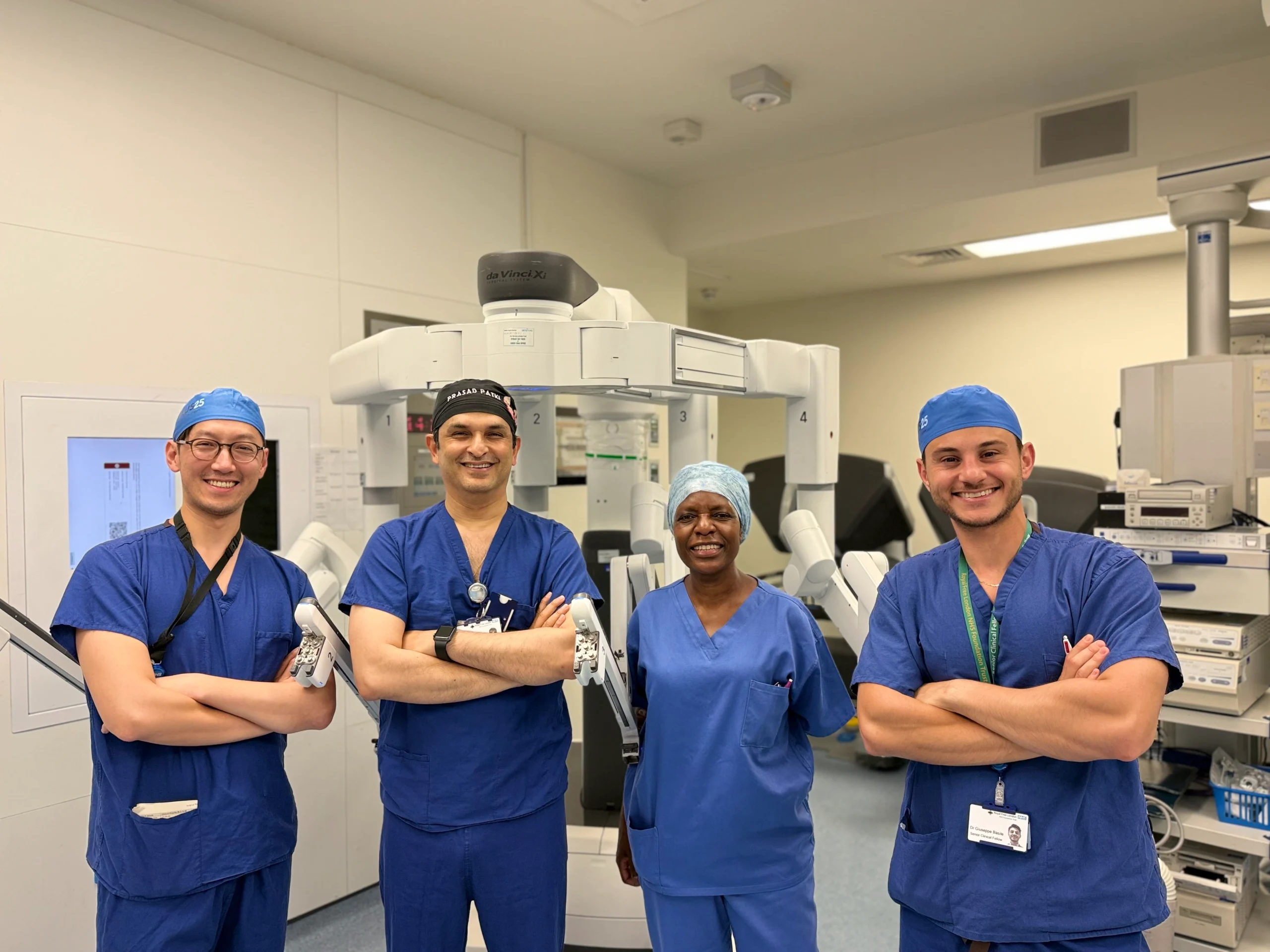
It was extraordinary to learn that surgeons can carry out operations over a hotel internet connection (‘Surgeons just changed medicine forever using hotel internet’). What stayed with me, however, was not the technology itself, however capable it might be, but the question of trust. Surgery relies on absolute confidence in the system, the team, and the safeguards in place when something goes wrong. While the article makes a good case for how far robotics and connectivity have advanced, it also raises uncomfortable questions about governance, accountability and resilience. A frozen screen during a video call is an irritation but in an operating theatre it is something else entirely.
When operations span continents, networks and vendors, it is not immediately clear to me where liability ultimately sits, or how failures are investigated and learned from. Those answers matter just as much as latency speeds and robotic precision.
That said, it would be a mistake to let caution harden into resistance. Every major advance in medicine has faced scepticism at the outset. If the safeguards, training and oversight can keep pace with the technology, this could reshape access to specialist care in ways that are hard to overstate.
The challenge now is to ensure that innovation is matched by rigour, and that excitement does not run ahead of systems designed to protect patients when technology inevitably fails.
Yours faithfully,
Jonathan Reeves
Bath, UK
Sign up to The European Newsletter
TOP STORIES
-
 British buyers fuel Greek luxury property boom after non-dom tax change
 -
 New York named world’s most attractive city for tourists
 -
Saab lands German frigate deal after Poland submarine order
-
Students unveil world’s first solar-powered ambulance
-
Burnham told to tackle Britain’s cyber weak spots on day one
-
Doctors using AI before health systems set the rules
-
Humanoid robots could become the next K-pop stars
-
Hormuz flashpoint keeps global shipping on high alert
-
Scientists to gather in Lisbon to tackle next pandemic threats
-
Burnham warned digital exclusion is now a national security risk
-
Masts from Kent ‘doomsday wreck’ to be cut to prevent catastrophic explosion
-
GigaCloud and Cubbit launch sovereign cloud storage for Ukraine and Poland
-
Tributes paid to ‘forthright and fearless’ Ann Widdecombe
-
Boeing to debut Ghost Bat drone at Farnborough Airshow
-
Reeves opens ‘£2bn lifeline’ for small firms
-
Babymoon boom: Rhodes crowned 2026's top pre-baby escape as Salcombe leads UK getaway list
-
Xavier Niel to become Vodafone’s largest shareholder in £4.4bn deal
-
Two-thirds of lawyers say strong legal claims are dropped because of cost
-
UK government must "think again" about small business plan
-
Lockheed Martin pushes European missile expansion at NATO summit
-
Britain's new homes face 2050s heat test as experts warn of overheating crisis
-
Sky agrees £1.6bn deal to buy ITV’s broadcasting and streaming arm
-
Scientists crack dinosaur egg mystery by building life-size nest
-
Nobel laureate Omar Yaghi launches global science network
-
Cardiff drivers safest in Britain as London comes last