Trump lawsuit against BBC raises questions over legal pressure on European public broadcasters

John E. Kaye
- Published
- News
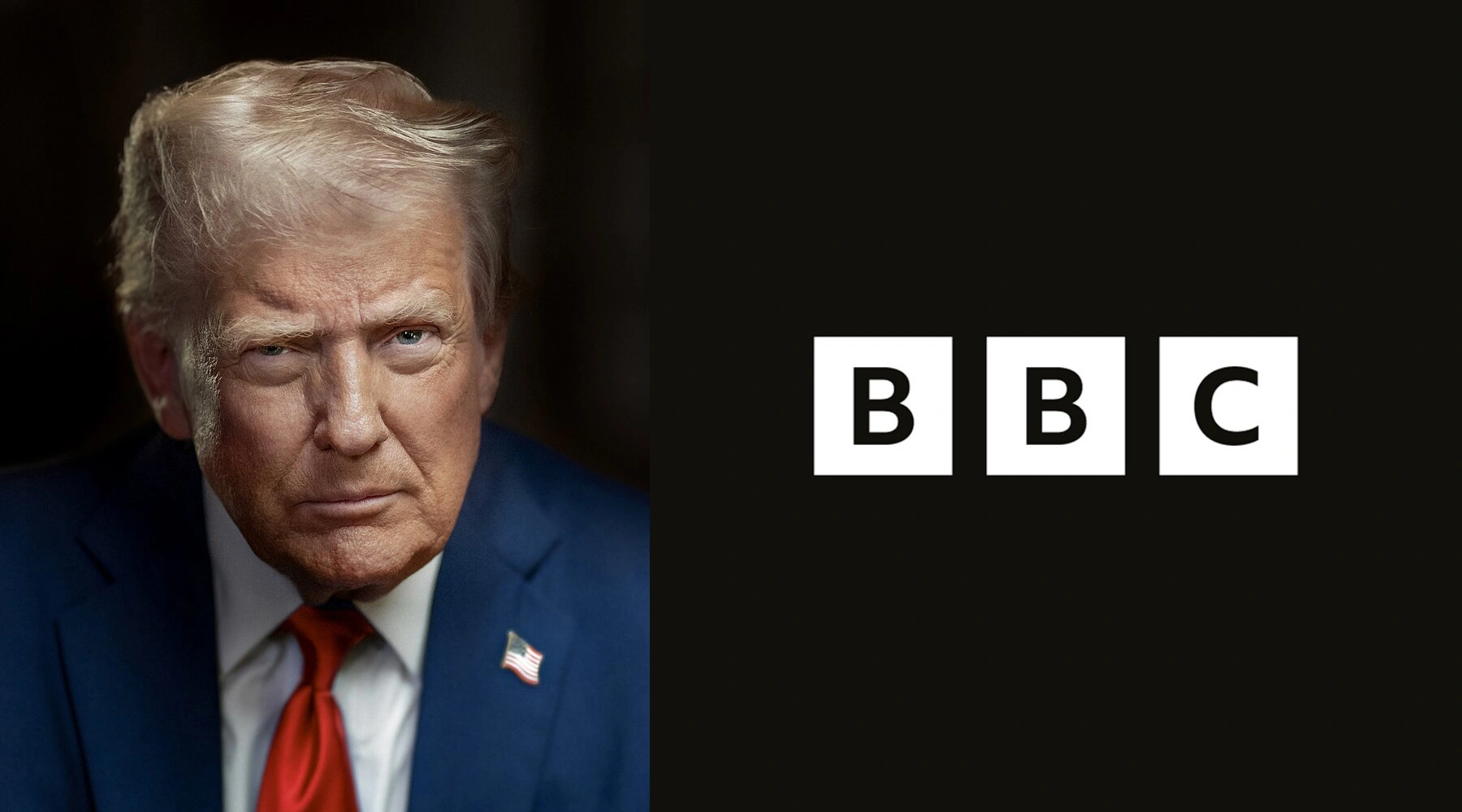
Donald Trump has filed a $5bn defamation lawsuit against the BBC over the editing of a Panorama documentary, a case that centres on the editorial standards and legal exposure of a European public broadcaster
U.S President Donald Trump has filed a $5bn (£3.7bn) defamation lawsuit against the BBC, targeting the UK public broadcaster over the editing of a Panorama documentary that featured his 6 January 2021 speech ahead of the riot at the US Capitol.
Court documents filed in Florida reportedly allege that the BBC defamed Trump and violated trade practices law by editing his speech in a way that misrepresented its meaning.
Trump’s legal team accused the broadcaster of “intentionally, maliciously, and deceptively doctoring his speech”.
The BBC apologised last month for the edit, saying it had given “the mistaken impression” that Trump had made a direct call for violent action. The broadcaster rejected demands for compensation and said there was no “basis for a defamation claim”. It has not yet responded publicly to the lawsuit.
The case places renewed focus on the legal risks faced by European public broadcasters when reporting on powerful international political figures, particularly where content produced under European editorial standards becomes subject to litigation in foreign jurisdictions.
The Panorama programme, which aired in the UK ahead of the 2024 U.S election, combined two separate excerpts from Trump’s speech. In the original address, Trump told supporters: “We’re going to walk down to the Capitol, and we’re going to cheer on our brave senators and congressmen and women.” More than 50 minutes later, he said: “And we fight. We fight like hell.”
The programme edited the remarks into a single clip in which Trump appeared to say: “We’re going to walk down to the Capitol… and I’ll be there with you. And we fight. We fight like hell.”
In November, a leaked internal BBC memo criticised the editing of the speech. The issue led to the resignations of BBC director general Tim Davie and head of news Deborah Turness.
Before the lawsuit was filed, BBC lawyers said there had been no malice in the edit and argued that Trump had not suffered harm, noting that he was re-elected shortly after the documentary aired. They also said the BBC did not distribute Panorama in the United States and that the programme was available only in the UK via BBC iPlayer.
Trump’s lawsuit disputes that position, citing agreements the BBC allegedly had with third-party distributors that may have held rights to show the documentary outside the UK.
It also claims that viewers in Florida could have accessed the programme using virtual private networks or the streaming service BritBox.
READ MORE: ‘Why the $5B Trump–BBC fallout is the reckoning the British media has been dodging‘. After the BBC admitted misrepresenting Donald Trump’s speech — prompting an apology to the White House and two senior resignations — Michael Leidig argues that the fallout shows how far parts of the media have drifted from neutral fact-presentation, and why public trust is now at breaking point.
Do you have news to share or expertise to contribute? The European welcomes insights from business leaders and sector specialists. Get in touch with our editorial team to find out more.
Main image: Trump Credit – Daniel Torok, White HouseFacebook, Public Domain
TOP STORIES
-
 British buyers fuel Greek luxury property boom after non-dom tax change
 -
 New York named world’s most attractive city for tourists
 -
Saab lands German frigate deal after Poland submarine order
-
Students unveil world’s first solar-powered ambulance
-
Burnham told to tackle Britain’s cyber weak spots on day one
-
Doctors using AI before health systems set the rules
-
Humanoid robots could become the next K-pop stars
-
Hormuz flashpoint keeps global shipping on high alert
-
Scientists to gather in Lisbon to tackle next pandemic threats
-
Burnham warned digital exclusion is now a national security risk
-
Masts from Kent ‘doomsday wreck’ to be cut to prevent catastrophic explosion
-
GigaCloud and Cubbit launch sovereign cloud storage for Ukraine and Poland
-
Tributes paid to ‘forthright and fearless’ Ann Widdecombe
-
Boeing to debut Ghost Bat drone at Farnborough Airshow
-
Reeves opens ‘£2bn lifeline’ for small firms
-
Babymoon boom: Rhodes crowned 2026's top pre-baby escape as Salcombe leads UK getaway list
-
Xavier Niel to become Vodafone’s largest shareholder in £4.4bn deal
-
Two-thirds of lawyers say strong legal claims are dropped because of cost
-
UK government must "think again" about small business plan
-
Lockheed Martin pushes European missile expansion at NATO summit
-
Britain's new homes face 2050s heat test as experts warn of overheating crisis
-
Sky agrees £1.6bn deal to buy ITV’s broadcasting and streaming arm
-
Scientists crack dinosaur egg mystery by building life-size nest
-
Nobel laureate Omar Yaghi launches global science network
-
Cardiff drivers safest in Britain as London comes last