Increased radioligand therapy options could transform cancer treatment by targeting tumours while reducing exposure to surrounding healthy tissue. Curium, a global leader in nuclear medicine, is moving to roll it out worldwide
Therapy that delivers radiation directly to cancer cells promises to transform treatment for patients around the globe.
Radioligand therapy, now being developed by nuclear medicine company Curium, has shown encouraging results in clinical trials so far.
This treatment is designed to target cancer cells directly, with less exposure to surrounding healthy tissue with less severe side effects than those typically associated with chemotherapy and external radiotherapy.
Early trial reports suggest that some patients may experience longer survival, reduced pain and improved quality of life.
Renaud Dehareng, the CEO of Curium Group, which has European headquarters in Paris, said the company’s focus is on building on its nuclear medicine expertise to deliver new treatments.

He said: “Our mission is to find innovative ways to diagnose and treat cancer to improve the lives of patients.
“We are reinvesting all our profits from our established business into expanding diagnostics and into research and development, and now have a pipeline of targeted radionuclide therapies for specific tumour types.
“Our aim is to develop these therapies to treat cancer over the next 15 years.”
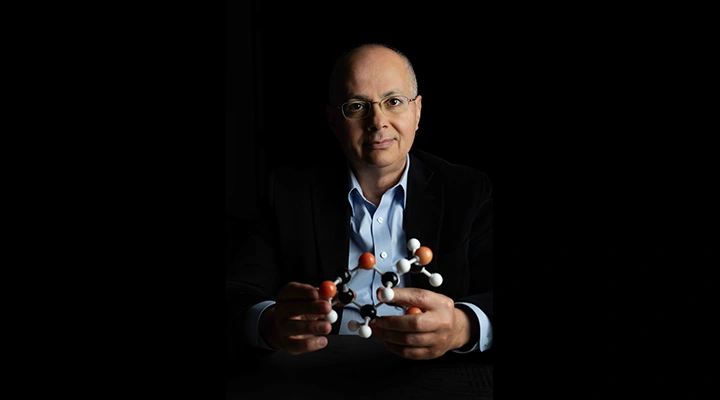
The technique works by attaching a radioactive isotope to a molecule engineered to bind to tumours. Once attached to the receptors on the cancer cell, the isotope delivers a lethal dose of radiation that damages it from within.
Unlike chemotherapy or external beam radiation, which exposes the body to toxic treatment, radioligand therapy is designed to act with precision, targeting the tumour and minimising the impact on healthy cells surrounding it.
Radioligand therapy is currently marketed for certain cancers, but Curium is now aiming to expand its reach by developing treatments for common tumour types such as advanced prostate cancers, while also exploring earlier use alongside existing standards of care.
According to the latest global statistics, prostate cancer alone is responsible for almost 400,000 deaths worldwide each year.
Curium has expressed an aspiration to broaden the use of radioligand therapy, potentially applying it to 80 per cent of cancers over the next two decades.
The company has long supplied isotopes and radiopharmaceuticals for hospital imaging, producing materials for millions of PET and SPECT scans each year. It now argues that the same expertise can support its therapeutic ambitions.
Analysts forecast the global market for radiopharmaceuticals could exceed €35bn by 2033. Curium says its established production network gives it the scale to deliver treatments at volume once approved, describing its approach as spanning “from proton to patient”. It says the ability to deliver therapies to millions of patients worldwide will be critical, given their short shelf-life.
Regulators are already moving quickly to support development, and demand from the medical community is growing.
Dehareng said: “No current single treatment will replace surgery, chemotherapy or radiotherapy, but radioligand therapy has the potential to be one of the most significant advances in oncology in decades.
“For patients with advanced cancers, it could offer them more time and with fewer side effects compared to existing options. For the wider field, it represents an important step towards more targeted and personalised treatment.”
Further information
Produced with support from Curium. To find out more about its research into radioligand therapies, visit www.curiumpharma.com
Read More: ‘Watch: Curium’s bold vision to treat up to 80% of cancers within 15 years‘. In an exclusive interview with The European’s Juliette Foster, Curium Group CEO Renaud Dehareng outlines his plan to treat up to 80% of cancers within the next few decades, explains how theranostics is reshaping oncology, and shares why the Boston-based company is now ready to step into the global spotlight.
Do you have news to share or expertise to contribute? The European welcomes insights from business leaders and sector specialists. Get in touch with our editorial team to find out more.