Hulk Hogan: the world’s first athlete to become a global franchise

John E. Kaye
- Published
- News
Hulk Hogan turned a larger-than-life wrestling persona into a multimillion-dollar commercial franchise, pioneering the athlete-as-brand model decades before it became standard. His death this week closes the chapter on a career that blended entertainment, merchandising and entrepreneurship into a global business phenomenon
Hulk Hogan, who has died aged 71, was as much a brand-building case study as a wrestler. Long before athletes launched their own tequila labels or energy drinks, Hogan proved that a single personality could generate an ecosystem of merchandise, media rights, licensing and endorsements. In doing so, he laid the groundwork for how modern sports entertainment monetises fame.
By the mid-1980s, the name “Hulk Hogan” had become a commercial asset as valuable as the World Wrestling Federation itself. His image sold tickets, pay-per-view events, action figures, T-shirts, and video games. The red-and-yellow colour scheme, the flexing poses, and the booming catchphrases were crafted for scale and became an instantly recognisable logo made from flesh. Vince McMahon’s WWF expanded into a global business on the back of Hulkamania, and Hogan’s commercial appeal drove partnerships that took wrestling from regional arenas to international television.
Hogan’s understanding of cross-platform branding was years ahead of its time. He built visibility beyond wrestling with roles in Hollywood films such as Rocky III, and later in television with Hogan Knows Best, a precursor to the influencer reality era. His ventures, from Hogan’s Beach Shop to Hogan’s Hangout, were natural extensions of a persona that had already become a retail product. Even when Pastamania failed, it reflected a willingness to experiment with brand-led business models that are now standard for athlete-celebrities.
The Gawker lawsuit of 2016, which resulted in a reported $31 million settlement, is another part of that legacy. It was, at heart, an assertion of brand control: a legal reminder that the commercial value of a name can and will be fiercely defended.
Financially, Hogan’s career was marked by both huge earnings and sharp setbacks, most notably his 2009 divorce, which reportedly cost him the majority of his liquid assets. Yet his net worth at death, estimated at $25 million, reflects his resilience in rebuilding through licensing, appearances and merchandising.
Hogan’s death marks the passing of a figure who predated the business playbook now followed by athletes like Dwayne Johnson, Conor McGregor and even Lionel Messi. He demonstrated that an individual persona could transcend sport and function as a fully-fledged enterprise – an idea that reshaped both wrestling and the wider entertainment economy.
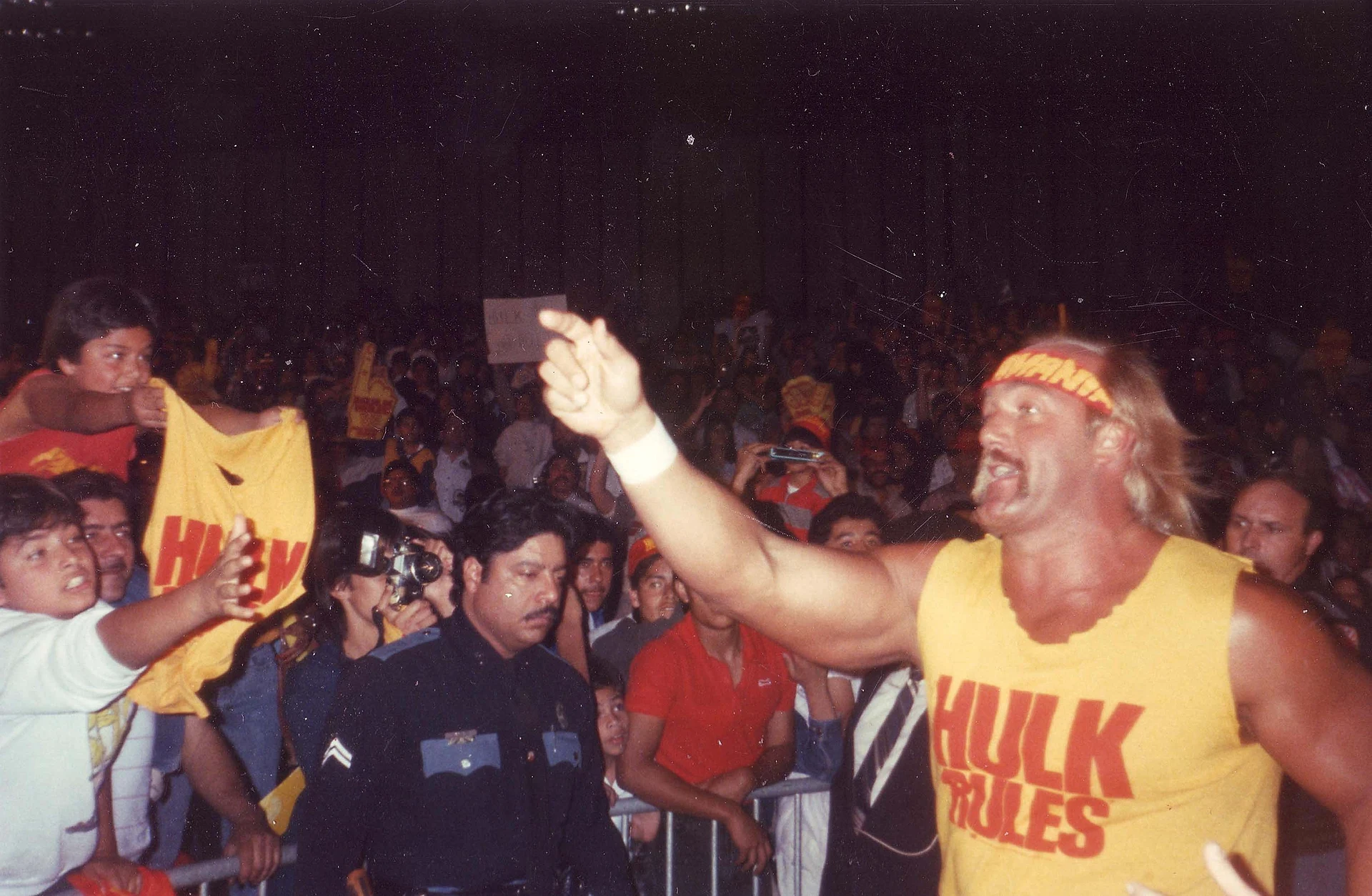
Main image: Hulk Hogan on 7 March 1989 at the El Paso Civic Center for a video-taping of a WWF “Superstars of Wrestling” event. Photo Freddius Mercurium (Creative Commons Attribution-Share Alike 2.0 Generic licence)
TOP STORIES
-
 British buyers fuel Greek luxury property boom after non-dom tax change
 -
 New York named world’s most attractive city for tourists
 -
Saab lands German frigate deal after Poland submarine order
-
Students unveil world’s first solar-powered ambulance
-
Burnham told to tackle Britain’s cyber weak spots on day one
-
Doctors using AI before health systems set the rules
-
Humanoid robots could become the next K-pop stars
-
Hormuz flashpoint keeps global shipping on high alert
-
Scientists to gather in Lisbon to tackle next pandemic threats
-
Burnham warned digital exclusion is now a national security risk
-
Masts from Kent ‘doomsday wreck’ to be cut to prevent catastrophic explosion
-
GigaCloud and Cubbit launch sovereign cloud storage for Ukraine and Poland
-
Tributes paid to ‘forthright and fearless’ Ann Widdecombe
-
Boeing to debut Ghost Bat drone at Farnborough Airshow
-
Reeves opens ‘£2bn lifeline’ for small firms
-
Babymoon boom: Rhodes crowned 2026's top pre-baby escape as Salcombe leads UK getaway list
-
Xavier Niel to become Vodafone’s largest shareholder in £4.4bn deal
-
Two-thirds of lawyers say strong legal claims are dropped because of cost
-
UK government must "think again" about small business plan
-
Lockheed Martin pushes European missile expansion at NATO summit
-
Britain's new homes face 2050s heat test as experts warn of overheating crisis
-
Sky agrees £1.6bn deal to buy ITV’s broadcasting and streaming arm
-
Scientists crack dinosaur egg mystery by building life-size nest
-
Nobel laureate Omar Yaghi launches global science network
-
Cardiff drivers safest in Britain as London comes last