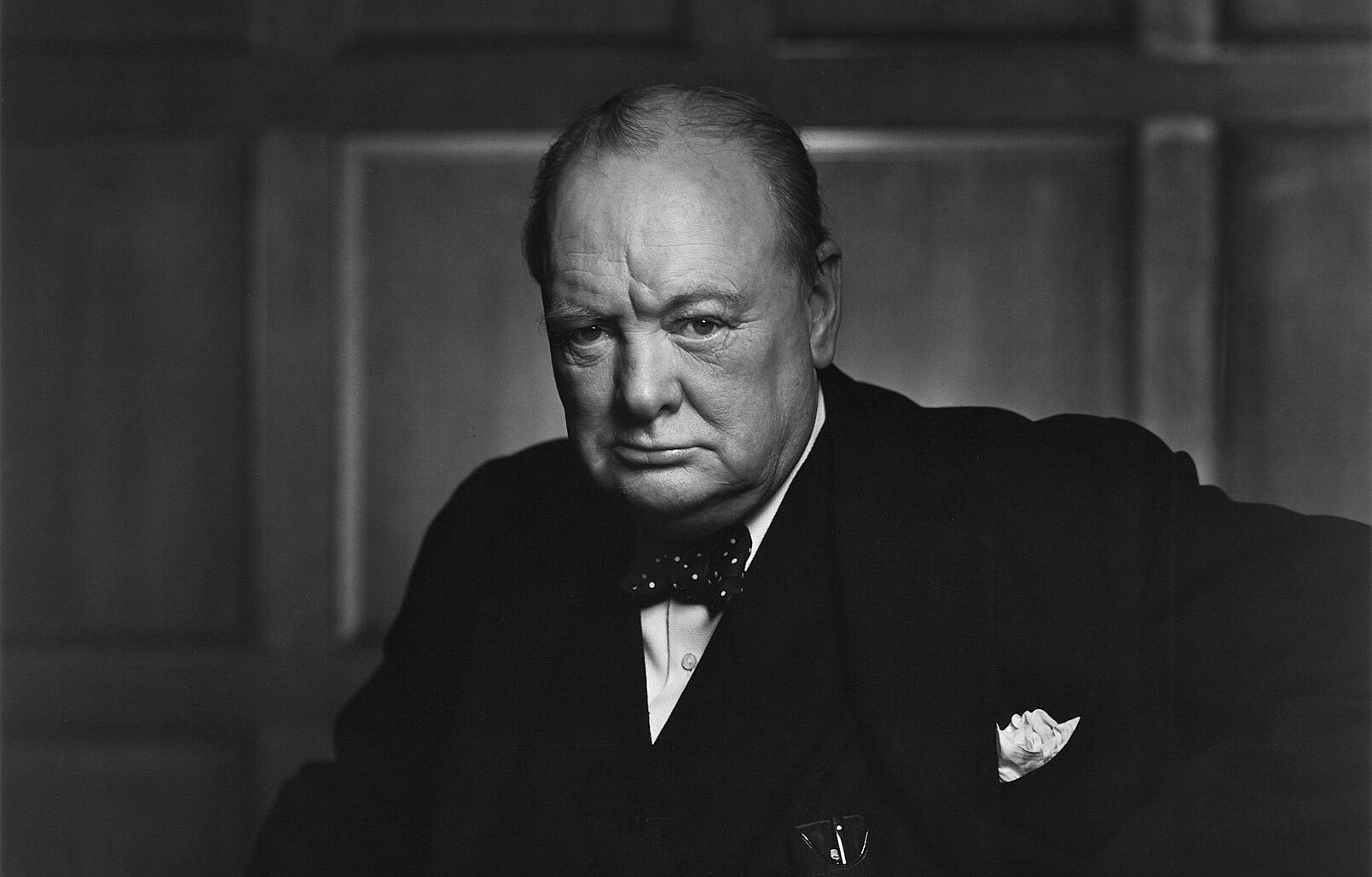
The historic Pullman railway carriage once used by Winston Churchill and General Eisenhower in the lead-up to the D-Day landings is back on the rails — and open to the public this summer for exclusive journeys through the English countryside
Pullman Car No. 246 ‘Lydia’, built in 1924 and used during both high-level Allied strategy meetings and Churchill’s state funeral in 1965, has been restored and will soon be available for private hire, corporate events and scheduled fine dining services on the South Devon Railway.
During the Second World War, Lydia served as a mobile base of operations for critical planning meetings. According to railway historians and records preserved by the Pullman Company, the carriage was requisitioned by the government and used on several occasions by Churchill and Eisenhower for confidential discussions ahead of Operation Overlord.
Most notably, it formed part of the military train used in the final weeks before the D-Day landings in June 1944, when Allied command travelled discreetly between operational headquarters.
Churchill, who famously preferred working from trains and bunkers rather than formal offices, regularly used carriages like Lydia for meetings with senior commanders. These roving offices provided the mobility, privacy and security required as leaders moved between London, the south coast and key military sites. Though not as widely known as the Cabinet War Rooms beneath Whitehall, these travelling headquarters were a vital part of wartime strategy.
The Prime Minister would often work late into the night, poring over maps and field reports with his chiefs of staff, including Field Marshal Sir Alan Brooke and Admiral Sir Bertram Ramsay. Eisenhower, as Supreme Allied Commander, also joined him aboard — a collaboration that helped coordinate the largest amphibious invasion in history.
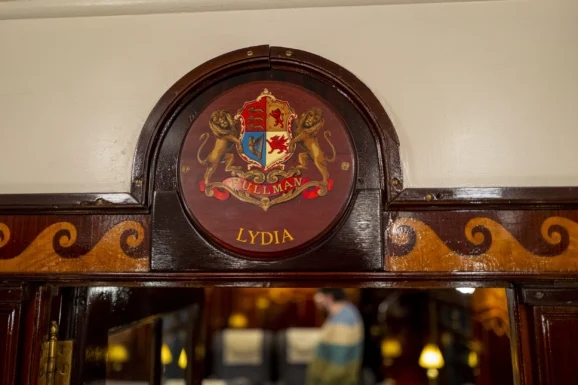
After the war, Lydia continued in service and was later selected to play a ceremonial role in Churchill’s state funeral in 1965 — the last time a commoner received a full state funeral. The carriage formed part of the train that carried his coffin from London to his final resting place in Bladon, Oxfordshire.
Following a period in private ownership and time spent overseas, Lydia was repatriated to Britain in 2000. In 2024, it was transferred to the South Devon Railway, where a specialist team completed a painstaking restoration to its original 1920s specification.
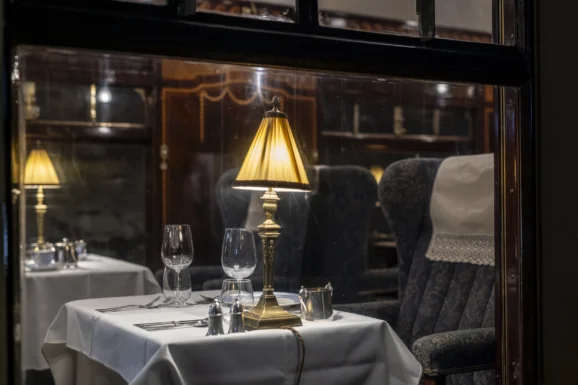
Much of the work involved replicating lost or damaged brass fittings, returning the carriage to its original polished interior of mahogany panels and plush armchairs.
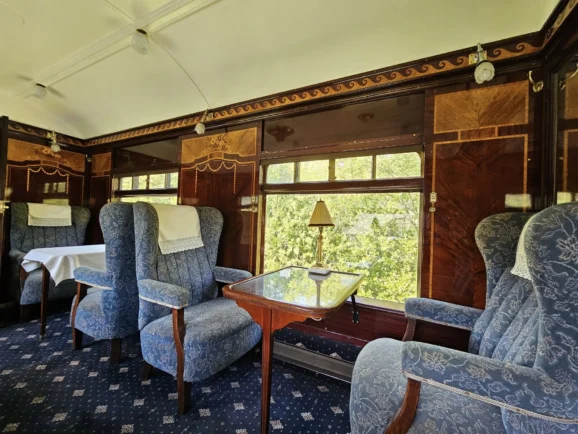
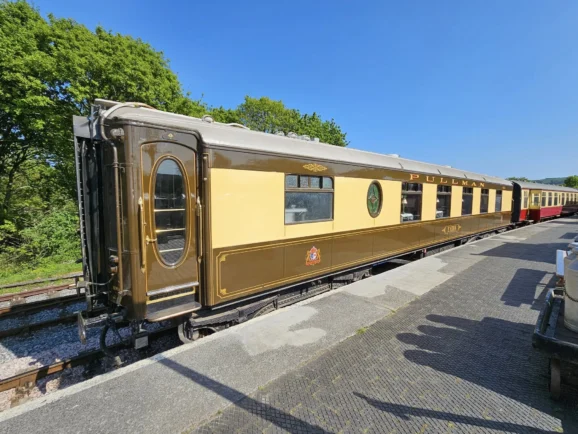
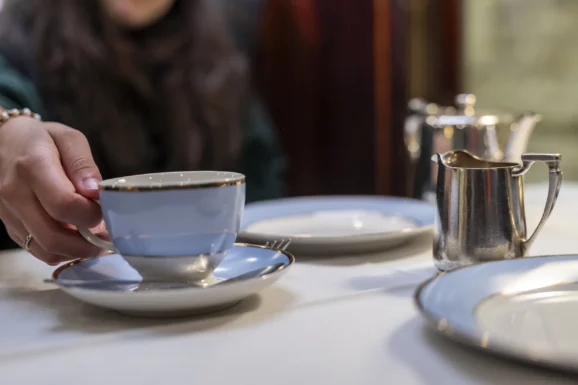
The carriage will form the centrepiece of a series of curated heritage journeys on the scenic line between Buckfastleigh and Totnes, starting this summer.
A spokesman for the South Devon Railway said the return of Lydia “represents more than the restoration of a rail carriage; it is the revival of a legacy that shaped the course of the 20th century.”
“With its art deco elegance and deep political and cultural resonance, the Pullman offers guests a journey into the heart of British history,” the spokesman added.
Featured image, courtesy Yousuf Karsh/Library and Archives Canada (Creative Commons). Lydia, courtesy South Devon Railway/I Yolland.