Starmer and EU leaders meet in London to seal post-Brexit ‘reset’

John E. Kaye
- Published
- News
Security pact, trade roadmap and migration issues on the table as PM seeks to ‘deliver for British people’
Britain and the European Union will today (May 19) attempt to draw a line under years of post-Brexit rancour at a high-level summit in London, with the unveiling of a security partnership, new frameworks for trade and cooperation, and further discussions on freedom of movement and border checks.
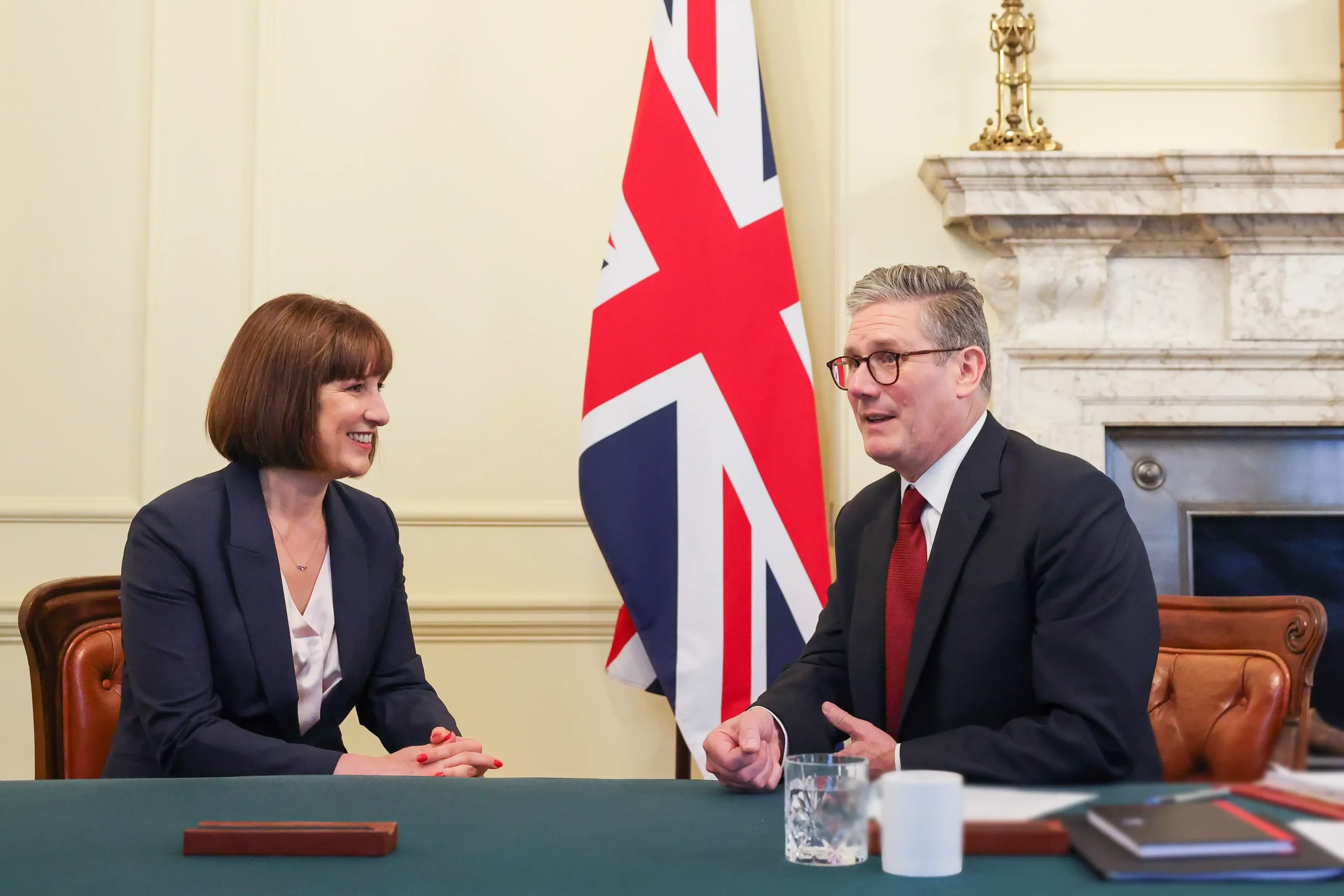
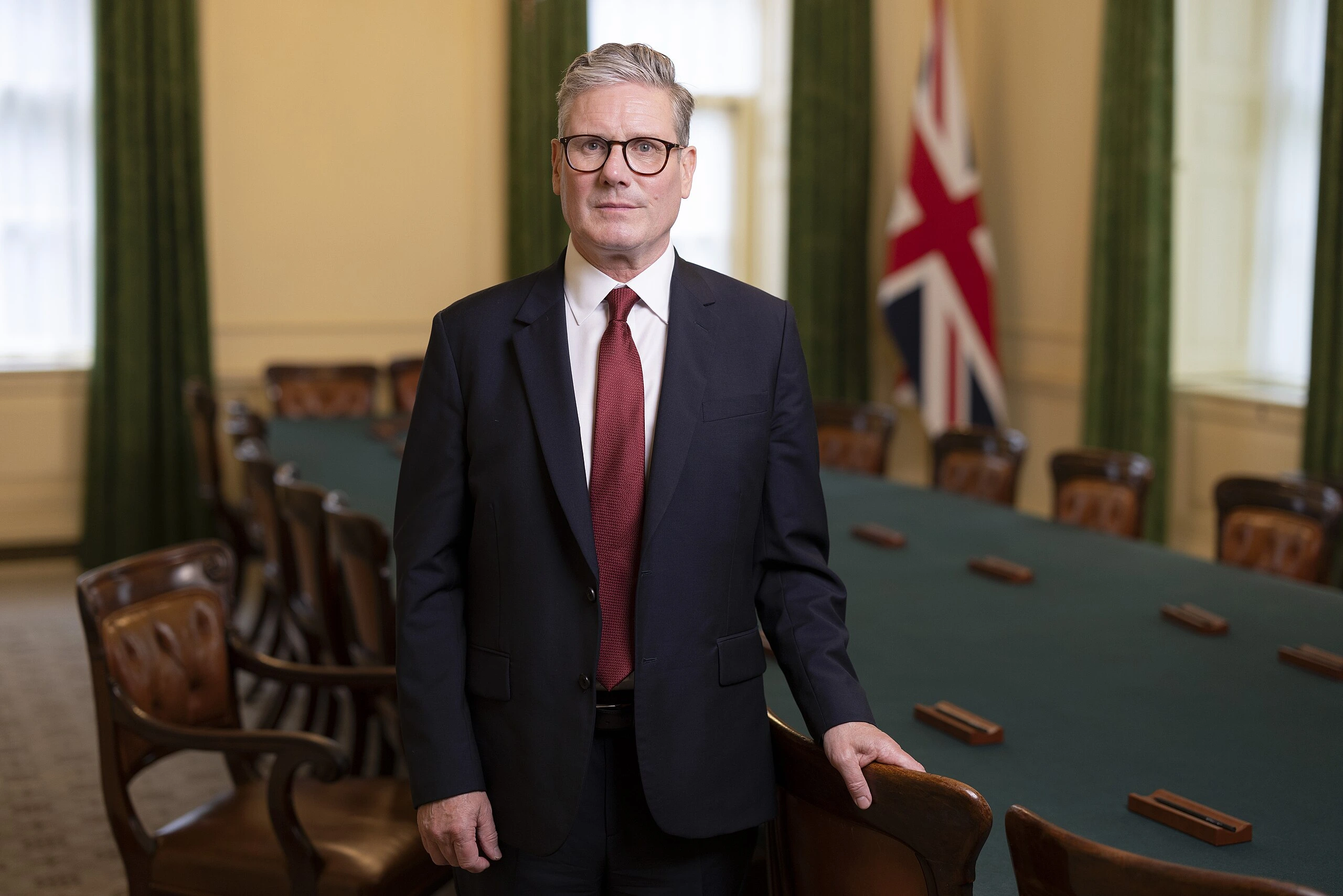
Prime Minister Sir Keir Starmer will host European Commission President Ursula von der Leyen, European Council President António Costa, and EU foreign affairs chief Kaja Kallas at Lancaster House, in what is being billed as the formal launch of a “reset” in UK-EU relations.
Described by both sides as a symbolic turning point, the summit follows Starmer’s meetings in Brussels and Tirana in recent months aimed at rebuilding trust and re-establishing structured dialogue with Britain’s largest trading partner.
Talks overnight were continuing into Monday morning, but senior officials from both sides said they expected three key outcomes: a joint defence and security pact, a geopolitical declaration, and a roadmap for future negotiations on trade, travel, and mobility.
“Tomorrow, we take another step forwards, with yet more benefits for the United Kingdom as the result of a strengthened partnership with the European Union,” the Prime Minister said. “It will be good for our jobs, good for our bills and good for our borders.”
The security deal – to be signed by Kallas on the EU side – is expected to pave the way for British defence firms to access a forthcoming €150 billion European arms procurement fund, as well as expand intelligence and data-sharing. A parallel statement is also expected to include joint criticism of US isolationism under Donald Trump’s presidency.
Officials have indicated that several elements of today’s announcements will require ratification by national parliaments, including Westminster and EU member states. EU ambassadors met twice on Sunday and again this morning to review last-minute changes to the texts.
While agreement on security has been relatively smooth, negotiations over food safety and migration remain fraught. Hopes of a deal to align the UK with EU sanitary and phytosanitary (SPS) rules – potentially reducing checks on agri-food exports and cutting red tape between Great Britain and Northern Ireland – have sparked renewed opposition from unionists.
The Windsor Framework, signed last year, helped ease trade frictions in the Irish Sea, but a broader SPS deal could go further.
The European’s editor-at-large, Stanley Johnson, previously called on the government to help “undo the huge damage of Brexit” by rejoining the European Environment Agency — a step he described as a necessary move towards rebuilding formal ties with the European Union. Mr Johnson, who has long distanced himself from his son’s approach to Europe, said EEA membership should be a priority. Rejoining the EEA, he argued, would signal a renewed willingness to work with European partners on shared challenges such as climate change, biodiversity loss, and marine pollution.
Starmer is also expected to push for progress on a youth mobility scheme, smoother travel arrangements, and mutual recognition of professional qualifications. A deal on allowing UK passport holders to use EU e-gates is reportedly under consideration, potentially easing delays at European borders.
Von der Leyen has said the package “can mark the start of a new chapter in our relationship,” after what she called a decade marred by mistrust.
For Downing Street, the summit also serves a domestic political function. With the Labour leader under mounting pressure on migration from Nigel Farage’s Reform UK party – which made significant gains in local elections this month – Starmer has sought to reaffirm border controls and avoid any perception of reintroducing free movement.
In a statement released over the weekend, the Prime Minister’s office said: “This week, the Prime Minister will strike yet another deal that will deliver in the national interest of this country. It will be good for growth, good for jobs, good for bills, and good for our borders.”
The government hailed recent trade deals with India and the United States as proof of Britain’s appeal on the world stage, and presented the EU summit as the latest in a series of “solutions that deliver for our people”.
“Even though times have been tough,” said the Prime Minister, “the decisions the government have taken to stabilise the economy and lead the way internationally have made this a country people want to do business with again.”
Farage, meanwhile, pre-emptively denounced the summit as “an abject surrender” and warned that any agreement to expand youth mobility risked reopening the door to free movement.
The summit’s conclusions will also reference the rights of EU citizens in the UK, following criticism of Britain’s handling of the post-Brexit settlement scheme. A 2022 court ruling found the scheme unlawful in part; changes began to be implemented earlier this year after warnings from Brussels.
While concrete progress today is expected to be modest, the outcome will shape the agenda for deeper cooperation ahead of a scheduled review of the Brexit trade deal later this year. Negotiators on both sides caution that “nothing is agreed until everything is agreed” – a familiar refrain from earlier Brexit talks.
Today’s events conclude with a joint press conference at 12:30pm, followed by a lunch cruise on the Thames for the principal leaders.
Main image: Prime Minister’s Office
TOP STORIES
-
 British buyers fuel Greek luxury property boom after non-dom tax change
 -
 New York named world’s most attractive city for tourists
 -
Saab lands German frigate deal after Poland submarine order
-
Students unveil world’s first solar-powered ambulance
-
Burnham told to tackle Britain’s cyber weak spots on day one
-
Doctors using AI before health systems set the rules
-
Humanoid robots could become the next K-pop stars
-
Hormuz flashpoint keeps global shipping on high alert
-
Scientists to gather in Lisbon to tackle next pandemic threats
-
Burnham warned digital exclusion is now a national security risk
-
Masts from Kent ‘doomsday wreck’ to be cut to prevent catastrophic explosion
-
GigaCloud and Cubbit launch sovereign cloud storage for Ukraine and Poland
-
Tributes paid to ‘forthright and fearless’ Ann Widdecombe
-
Boeing to debut Ghost Bat drone at Farnborough Airshow
-
Reeves opens ‘£2bn lifeline’ for small firms
-
Babymoon boom: Rhodes crowned 2026's top pre-baby escape as Salcombe leads UK getaway list
-
Xavier Niel to become Vodafone’s largest shareholder in £4.4bn deal
-
Two-thirds of lawyers say strong legal claims are dropped because of cost
-
UK government must "think again" about small business plan
-
Lockheed Martin pushes European missile expansion at NATO summit
-
Britain's new homes face 2050s heat test as experts warn of overheating crisis
-
Sky agrees £1.6bn deal to buy ITV’s broadcasting and streaming arm
-
Scientists crack dinosaur egg mystery by building life-size nest
-
Nobel laureate Omar Yaghi launches global science network
-
Cardiff drivers safest in Britain as London comes last