Alzheimer’s vaccine enters human trials aiming to stop disease before symptoms begin

John E. Kaye
- Published
- News, Technology
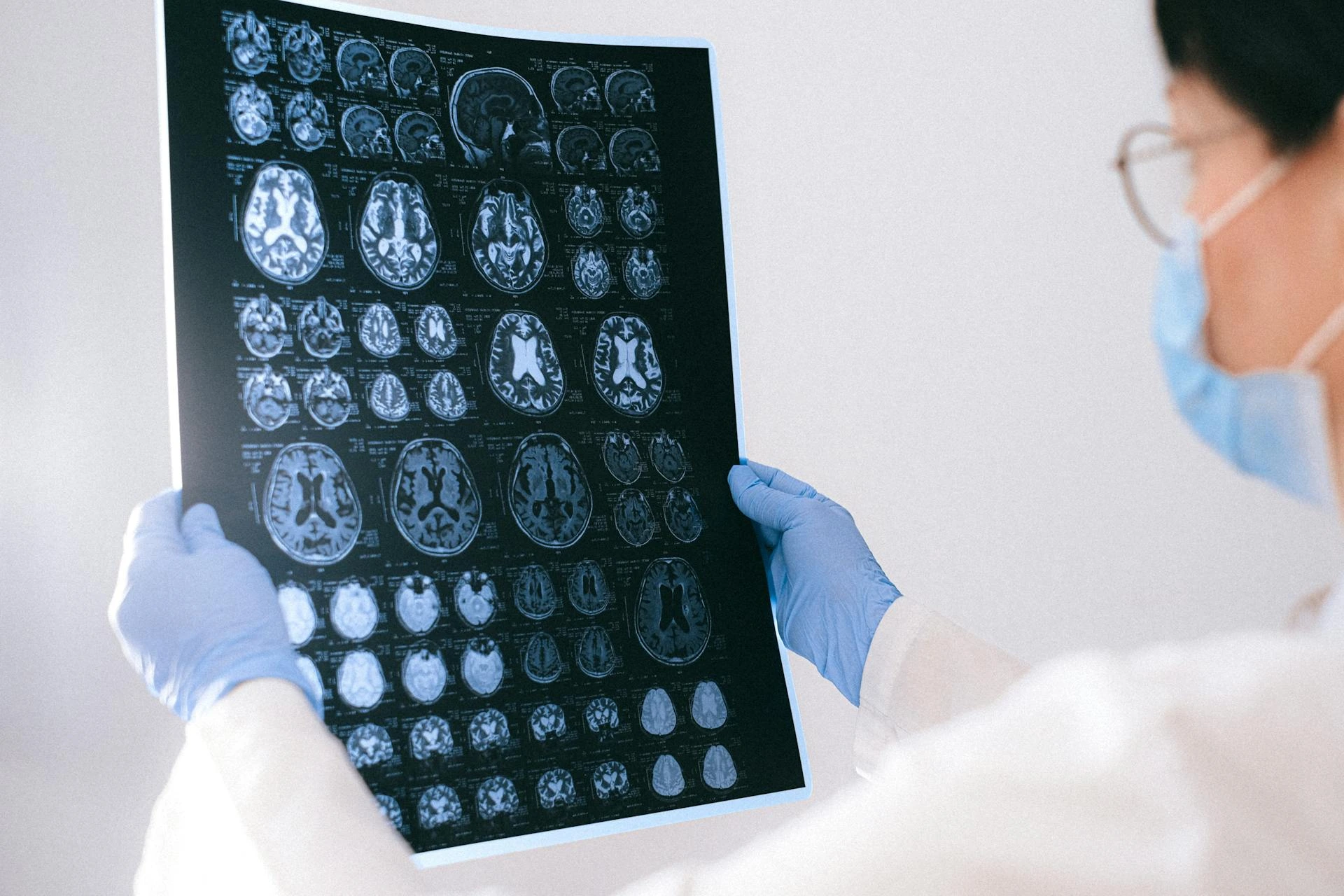
A new Alzheimer’s vaccine designed to stop the disease before symptoms appear is entering human clinical trials in the United States
The treatment, called Duvax, targets both amyloid-beta and tau—the two key proteins linked to the development of Alzheimer’s—and is intended for people at risk of the disease but who have not yet shown cognitive decline.
Alzheimer’s is the most common cause of dementia, affecting an estimated 55 million people worldwide, with 10 million new cases diagnosed each year.
In the UK alone, nearly one million people are living with dementia, and Alzheimer’s accounts for around two-thirds of those cases.
Despite decades of research, no treatment has yet been shown to prevent the disease before symptoms begin.
Unlike existing therapies that attempt to slow progression once memory and cognition are already affected, Duvax is being developed as a secondary prevention therapy.
It is designed for use during the “preclinical” stage, when abnormal proteins are already accumulating in the brain but before irreversible neurological damage has set in.
The vaccine uses an immunotherapy approach to train the body’s immune system to recognise and clear harmful forms of amyloid and tau.
Its use is guided by blood tests that can detect these early pathological changes—allowing for timely intervention and the possibility of halting the disease in its tracks.
The Phase 1 trial will assess the safety and immunogenicity of Duvax in humans. It is backed by a $3 million grant from the US National Institutes of Health (NIH), awarded through the agency’s SBIR Fast-Track programme.
An initial portion of the grant has been released to begin the trial, with the remainder expected later in 2025.
Nuravax, a clinical-stage biotech company focused on neurodegenerative disorders, is leading the development, regulatory work and manufacturing of the vaccine, which is licensed from the non-profit Institute for Molecular Medicine (IMM). The underlying technology is based on IMM’s MultiTEP platform, a modular vaccine system adaptable to DNA, RNA and recombinant protein formats.
If successful, Duvax would become the first vaccine to target both of Alzheimer’s core drivers in people with no symptoms, offering a potential shift from treatment to prevention in one of the most challenging areas of modern medicine.
Roman Kniazev, CEO of Nuravax, said: “This SBIR grant is a powerful endorsement of our mission to clinically validate and advance Duvax as a first-in-class vaccine for Alzheimer’s prevention.
“While IMM laid the scientific foundation, our focus at Nuravax is on translating that innovation into real-world impact. This funding enables us to move Duvax into clinical trials in the U.S. and brings us one step closer to delivering it as preventive therapy for individuals at risk – before symptoms begin.”
The need for early intervention has grown increasingly urgent as the global population ages. By 2050, the number of people living with dementia is expected to more than triple, reaching over 150 million. While some new drugs have been approved in recent years to target amyloid plaques in diagnosed patients, their effects are modest, and treatment must begin early to have any measurable benefit.
Dr Michael Agadjanyan, Vice President of the Institute for Molecular Medicine and Head of Immunology, said the trial represented a critical turning point after years of foundational research.
“The Phase 1 trial, supported by this SBIR grant awarded to our development and commercialization partner, Nuravax, marks a critical step in translating years of foundational research at IMM into a potential clinical breakthrough,” he said.
“Based on strong preclinical data, we at IMM expect Duvax to elicit a robust immune response against both Aβ and tau pathologies, an approach that could fundamentally shift the paradigm of Alzheimer’s treatment from symptomatic and disease-modifying treatment (DMT) to secondary preventive therapy for cognitively unimpaired people at risk of disease.”
Main photo: Anna Shvets/Pexels
TOP STORIES
-
 British buyers fuel Greek luxury property boom after non-dom tax change
 -
 New York named world’s most attractive city for tourists
 -
Saab lands German frigate deal after Poland submarine order
-
Students unveil world’s first solar-powered ambulance
-
Burnham told to tackle Britain’s cyber weak spots on day one
-
Doctors using AI before health systems set the rules
-
Humanoid robots could become the next K-pop stars
-
Hormuz flashpoint keeps global shipping on high alert
-
Scientists to gather in Lisbon to tackle next pandemic threats
-
Burnham warned digital exclusion is now a national security risk
-
Masts from Kent ‘doomsday wreck’ to be cut to prevent catastrophic explosion
-
GigaCloud and Cubbit launch sovereign cloud storage for Ukraine and Poland
-
Tributes paid to ‘forthright and fearless’ Ann Widdecombe
-
Boeing to debut Ghost Bat drone at Farnborough Airshow
-
Reeves opens ‘£2bn lifeline’ for small firms
-
Babymoon boom: Rhodes crowned 2026's top pre-baby escape as Salcombe leads UK getaway list
-
Xavier Niel to become Vodafone’s largest shareholder in £4.4bn deal
-
Two-thirds of lawyers say strong legal claims are dropped because of cost
-
UK government must "think again" about small business plan
-
Lockheed Martin pushes European missile expansion at NATO summit
-
Britain's new homes face 2050s heat test as experts warn of overheating crisis
-
Sky agrees £1.6bn deal to buy ITV’s broadcasting and streaming arm
-
Scientists crack dinosaur egg mystery by building life-size nest
-
Nobel laureate Omar Yaghi launches global science network
-
Cardiff drivers safest in Britain as London comes last