A concept airliner that would fly eight times faster than a speeding bullet has completed early flight testing in a development that could see one of the world’s most ambitious aviation projects go from science fiction to science fact.
Venus Aerospace’s ‘Stargazer’ is a proposed Mach-9 business jet which, if built, will travel at more than 6,900mph, or nine times the speed of sound.
It will use conventional engines to take off but experimental ‘rotating detonation’ ones to propel it between cities such as New York and Tokyo in just one hour.
Rotating detonation rocket engines (RDREs) are already being tested by NASA, which believes they represent the future of deep space travel.
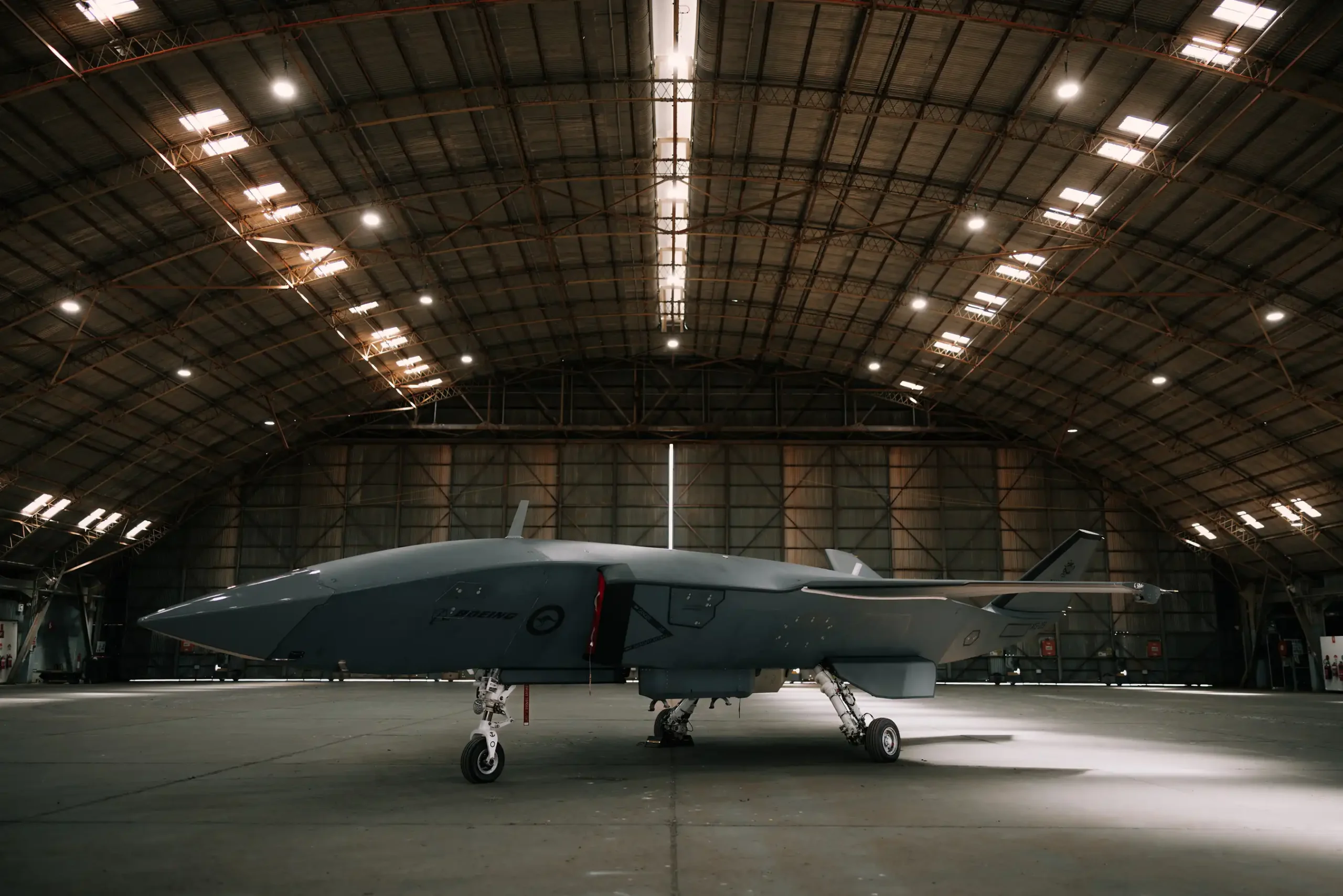
Venus says parts of Stargazer’s RDRE propulsion system together with its flight controls and stability have now been successfully tested using an eight-foot-long drone.
A substantial amount of useful data was obtained from the test flight, which saw the 300lb drone dropped from an altitude of 12,000ft and accelerate to Mach 0.9.
The unmanned aircraft was powered by a hydrogen peroxide monopropellant engine, which was purposefully restricted to prevent it from exceeding Mach 1.
Andrew Duggleby, Venus Aerospace’s co-founder, said: “Using an air-launched platform and a rocket-with-wing configuration allows us to cheaply and quickly get to the minimum viable test of our RDRE as a hypersonic engine.
“The team executed with professionalism and has a wealth of data to anchor and tweak for the next flight.”
Venus Aerospace, a startup based in Texas, US, has been working on the Stargazer concept since 2020, having raised USD$33 million in funding so far.
It would reportedly fly at an altitude of around 170,000 ft – high enough to see the planet’s curve and the blackness of space – at a hypersonic speed of 6,905mph.
Hypersonic is defined as five times the speed of sound. By comparison, the Concorde, travelled at Mach 2, or about, 1,535 mph. The fastest aircraft ever built, Lockheed’s SR-71 Blackbird, travelled at Mach 3.2 (2,455 mph).
At those speeds, journeys between major connecting cities such as New York and Tokyo would take about 60 minutes.
The jet will carry around a dozen passengers and measure 150ft long and 100ft wide, Venus says.
Co-Founder Sarah “Sassie” Duggleby said the next step in Stargazer’s journey will be test flights at unrestricted, RDRE speeds.
She added: “This is how you do hard things: one bite at a time. Up next is RDRE flight, and ultimately hypersonic flight, proving that the RDRE is the engine that unlocks the hypersonic economy.”

Main image © Venus Aerospace