REHN: ECB won’t solve profound debt issues
John E. Kaye
- Published
- Banking & Finance, Home, News

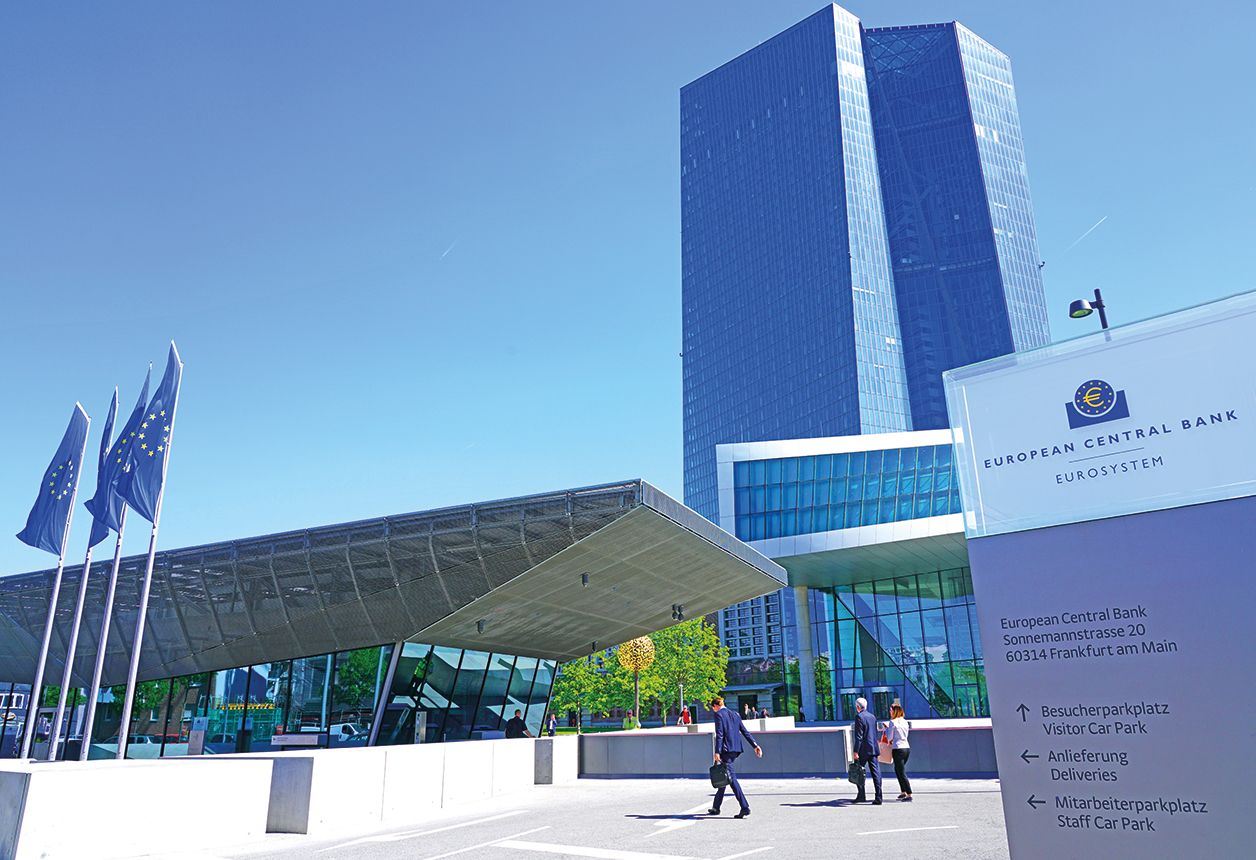
The European Central Bank should limit the rise in borrowing costs of more indebted eurozone members but will not solve their debt issues or let budget concerns dictate monetary policy, ECB policymaker Olli Rehn has said.
In an emergency meeting in late June, the ECB decided to direct bond reinvestment to help nations on the bloc’s southern rim, and to devise a new instrument to contain divergence in borrowing costs. But ECB action will only go as far as preventing “unwarranted” market moves and will not help countries in case of profound debt issues, Rehn, Finland’s central bank chief, said at an event organised by the Dallas Federal Reserve. “We are fully committed to preventing fiscal dominance – and/or financial dominance, for that matter,” Rehn said, referring to a situation when fiscal, not monetary, considerations dictate central bank policy.
“In the case of more profound structural economic weaknesses and debt sustainability problems, there is always the option to activate Outright Monetary Transactions.” OMT, a never-used emergency debt purchase scheme, can only be activated if a country is taking part in an economic adjustment programme, a politically unpopular option since the bloc’s debt crisis a decade ago.
Borrowing costs have risen sharply around the world this year as high inflation is forcing central banks to raise interest rates to prevent rapid price growth from getting entrenched. Italy, with gross debt of around 150% of GDP, is among the most vulnerable in the bloc and the ECB sprang into action when its 10-year borrowing cost surged, exceeding Germany’s by 250 basis points. Rehn said that help to individual members will only go as far as ensuring that monetary policy gets transmitted to all corners of the bloc and inflation is brought under control.
“While fiscal-monetary interaction is a basic feature of policy coordination in a currency union like the eurozone, it cannot be in contradiction with the independence of central banks,” he said. The ECB promised hikes in July and September, and said further moves are also likely in the fight against high inflation.
Further information

Sign up to The European Newsletter
RECENT ARTICLES
-
The European Winter 2026 edition - out now -
Parliament invites cyber experts to give evidence on new UK cyber security bill -
EU sustainability rules drive digital compliance push in Uzbekistan ahead of export change -
AI boom triggers new wave of data-centre investment across Europe -
Lammy travels to Washington as UK joins America’s 250th anniversary programme -
China’s BYD overtakes Tesla as world’s largest electric car seller -
FTSE 100 posts strongest annual gain since 2009 as London market faces IPO test -
Five of the biggest New Year’s Eve fireworks happening tonight — and where to watch them -
UK education group signs agreement to operate UN training centre network hub -
Cornwall project to open new UK test airspace for drones and autonomous aircraft -
Birding tourism market set for rapid growth through 2032, report finds -
Luxury travel market set to more than double by 2035 as older, wealthier travellers drive demand -
UK and South Korea finalise upgraded free trade agreement -
Trump lawsuit against BBC raises questions over legal pressure on European public broadcasters -
UK government sets up Women in Tech taskforce amid gender imbalance concerns -
Mycelium breakthrough shows there’s mush-room to grow in greener manufacturing -
Marriott strengthens South African portfolio with new Autograph Collection hotel in Cape Town -
Oxford to host new annual youth climate summit on UN World Environment Day -
Countdown to Davos 2026 as Switzerland gears up for the most heated talks in years -
Paribu buys CoinMENA in USD 240m deal as regional crypto markets consolidate -
AI innovation linked to a shrinking share of income for European workers -
African airspace overhaul set to shorten flight times for European travellers -
Exclusive: Global United Nations delegates meet in London as GEDU sets out new cross-network sustainability plan -
Fast fashion brands ‘greenwash’ shoppers with guilt-easing claims, study warns -
Europe’s shrinking middle class is turning to the radical right, new study suggests