LATEST: Coronavirus: The latest setback for global trade

John E. Kaye
- Published
- Business Travel, News

Roger Vincent, CIO of Trade Ledger, who provides technology and insight for financial institutions to accelerate and transform commercial lending, believes the current focus on the economic impacts of coronavirus could be distracting the finance sector from a much bigger threat.
Since 2007, we’ve had a financial crisis, a rise in populism that has seen many countries question the soundness of globalization as well the imposition of new trade barriers. Now, we have a global health emergency which threatens major disruption to supply chains and global trade (with economists already arguing its impact will be bigger in 2020 than the US-China trade war). It is tempting, therefore, to argue that globalization has run its course and will eventually go into reverse. But, despite these warning signs, the reality is both more nuanced and more positive – in the main, globalization is not slowing at all, it’s just changing form.
Global growth will continue to increase. It will be boosted by factors such as rising trade between emerging market countries (as opposed to between developed countries or East to West). And it will become both more digital and more digitally-enabled, which will simultaneously change the nature of global trade, as well as boost it.
Digitization is creating new trade flows. Formerly physical flows are becoming virtual (e.g. listening to Spotify as opposed to shipping CDs). And even where goods do not become digitized, digitization can boost global trade. Take ecommerce, for example. Platforms like Amazon, Alibaba and Shopify make it easier to reach international consumers and manage the logistics of doing business globally, boosting worldwide trade by democratizing it.
Data is at the heart of these changes. Companies are able to know so much more about their customers which, together with technology improvements, allows them to move away from mass production to mass customization – effectively tailoring products and services to individuals. However, there is one sector that’s still catching up: the finance sector. It urgently needs a reboot and the growing economic impacts of the coronavirus outbreak should serve as a stark warning that it needs to become more adept at dealing with the new digital economy and the intangible assets flowing through these trade networks.
Even though trade is becoming increasingly intangible, lending against intangible assets is actually going down. Similarly, even though the goods and services are being digitized, the flow of bank information related to it remains PDF and paper-based and travels at analog speeds. Today, ships travel faster than the flow of documents related to their shipments and fax machines are still regarded as irreplaceable.
In banks’ defense, they know this is an issue but their systems and processes have been created in a way that makes it hard for them to adapt. Banks continue to ask corporates for the same information and collateral as they always did, in the same formats as always. This means decision making remains slow, but also – as corporate balance sheets also become intangible – fewer corporates qualify for credit and the credit gap grows.
But the solution to these issues already exists. Seeking Letters of Credit (LoC’s) when banks can access real-time locational information is akin to renting VHS cassettes instead of using Netflix. Similarly, asking a corporate for last year’s financial statements when a bank can access real-time accounting information is equally anachronistic.
The solution lies in Open Finance. This is what we define as the free flow of information to facilitate networks and network effects. Effectively, banks need to open themselves up to providing and consuming a much broader set of data flows: the information that corporates are already using to manage their businesses and supply chains, but also information from other banks and partners.
This can be used to unlock capital faster, by, for example, automating credit decisions and updating risk-weighted models. But it can also be used to go further: putting banks at the heart of an ecosystem that links together banks with other banks, corporates with corporates, and corporates with other service providers. This initially allows for faster credit flow, but over time would see credit embedded into other services and new meta services created. Ultimately, this will help catalyze the new phase of globalization.
Coronavirus is a very real concern and one that will exercise the minds of the best in the coming weeks and months. But it’s important for the finance sector not to become wholly focused on the risk in front of their faces and miss the threat that is coming up behind them.
For more Banking & Finance and Daily News follow The European Magazine.
TOP STORIES
-
 British buyers fuel Greek luxury property boom after non-dom tax change
 -
 New York named world’s most attractive city for tourists
 -
Saab lands German frigate deal after Poland submarine order
-
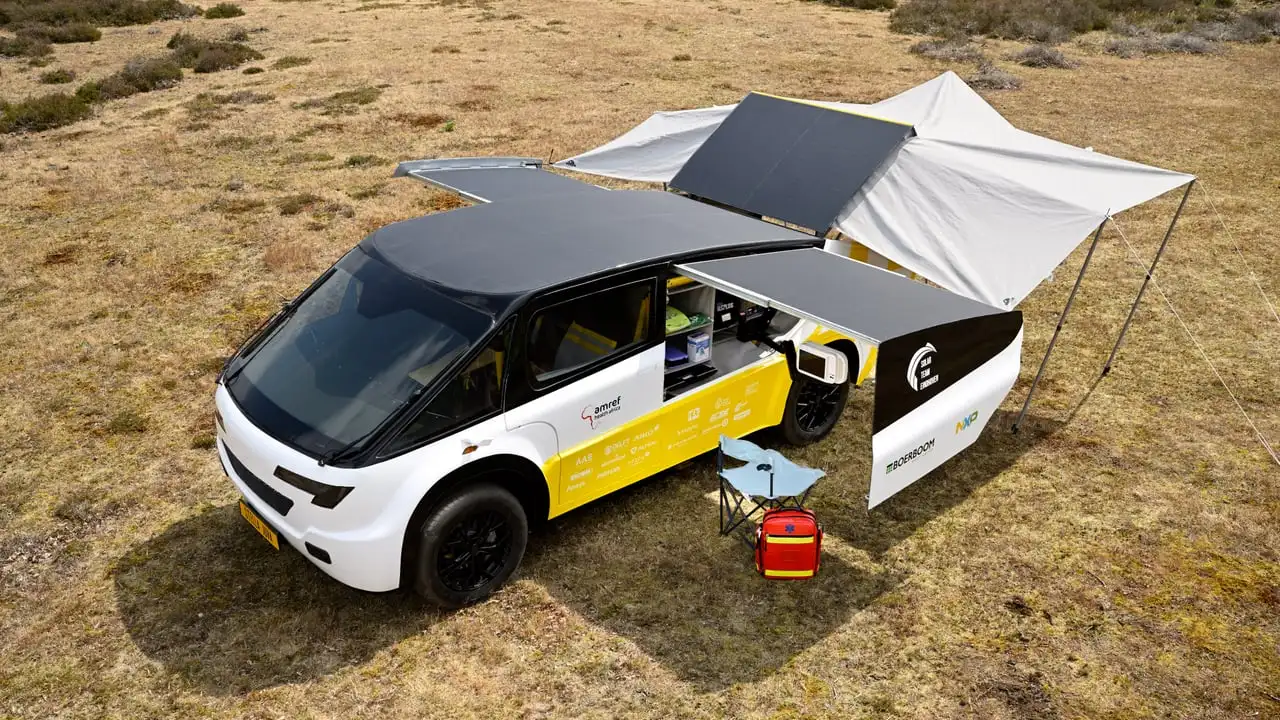
Students unveil world’s first solar-powered ambulance
-
Burnham told to tackle Britain’s cyber weak spots on day one
-
Doctors using AI before health systems set the rules
-
Humanoid robots could become the next K-pop stars
-
Hormuz flashpoint keeps global shipping on high alert
-
Scientists to gather in Lisbon to tackle next pandemic threats
-
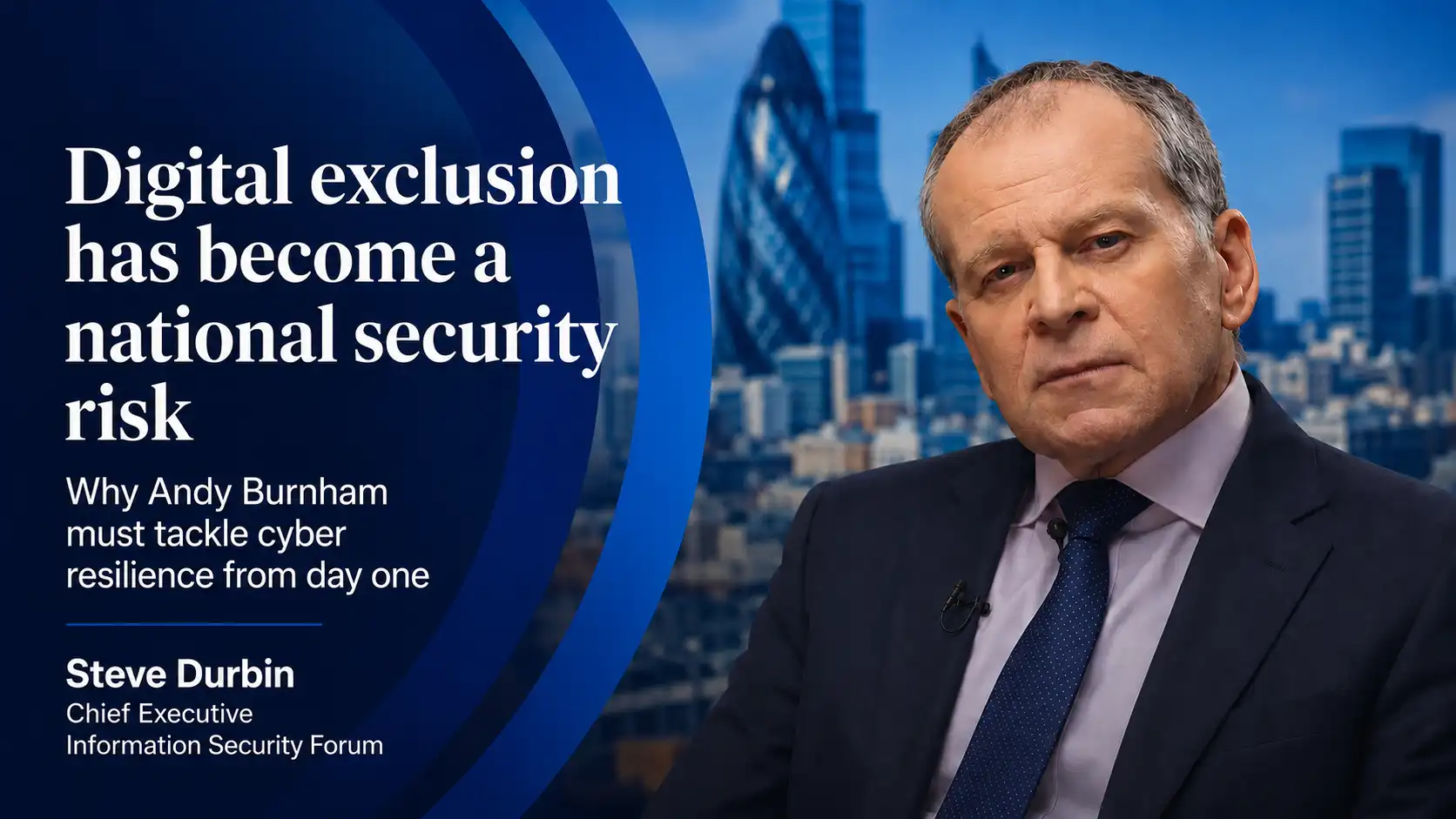
Burnham warned digital exclusion is now a national security risk
-
Masts from Kent ‘doomsday wreck’ to be cut to prevent catastrophic explosion
-
GigaCloud and Cubbit launch sovereign cloud storage for Ukraine and Poland
-
Tributes paid to ‘forthright and fearless’ Ann Widdecombe
-
Boeing to debut Ghost Bat drone at Farnborough Airshow
-
Reeves opens ‘£2bn lifeline’ for small firms
-
Babymoon boom: Rhodes crowned 2026's top pre-baby escape as Salcombe leads UK getaway list
-
Xavier Niel to become Vodafone’s largest shareholder in £4.4bn deal
-
Two-thirds of lawyers say strong legal claims are dropped because of cost
-
UK government must "think again" about small business plan
-
Lockheed Martin pushes European missile expansion at NATO summit
-
Britain's new homes face 2050s heat test as experts warn of overheating crisis
-
Sky agrees £1.6bn deal to buy ITV’s broadcasting and streaming arm
-
Scientists crack dinosaur egg mystery by building life-size nest
-
Nobel laureate Omar Yaghi launches global science network
-
Cardiff drivers safest in Britain as London comes last