Germany boosts its climate fund with €60bn injection

John E. Kaye
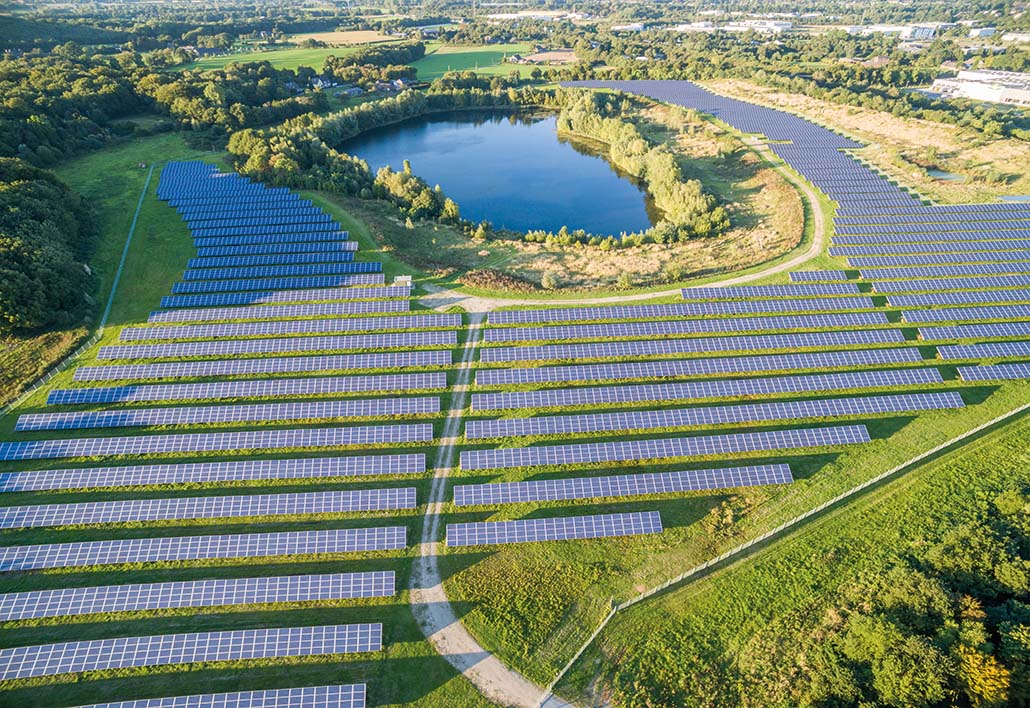
Germany’s new government passed a supplementary budget to supercharge its climate and transformation fund with a debt-financed injection of €60bn to allow more investments in the shift towards a green economy.
The supplementary budget, passed unanimously by Chancellor Olaf Scholz’s cabinet, will channel €60bn of unused debt in 2021’s federal budget into the government’s climate and transformation fund for future spending.
The budget manoeuvre was agreed in November by the centre-left Social Democrats (SPD), pro-spending Greens and fiscally more cautious Free Democrats (FDP) in their coalition deal, allowing the parties to make the most of a temporary, pandemic-related suspension of borrowing limits in the constitution.
The budget compromise helps Germany’s new finance minister and FDP leader Christian Lindner to eye a return to the debt brake rule from 2023 and still enable more public investments needed to reduce carbon emissions in Europe’s largest economy.
“The €60bn for future investments are a booster for the economy,” Lindner said. The step will help the government to cope with the economic consequences of the coronavirus pandemic and enable a powerful leap into a carbon-neutral and more digital future, he added.
The coalition wants to deploy the funds to make critical public investments in climate protection measures – from charging points for electric vehicles to better insulating homes – and the digitalisation of the economy. The debt-financed injection of €60bn will increase the fund’s volume to €76.2bn at the start of 2022, Lindner said.
In addition, the government will channel up to €18bn of additional tax revenue, mainly stemming from eco taxes and the CO2 emission trading scheme, into the climate and transformation fund in the course of next year, bringing its fiscal reserve for investments close to €95bn.
TOP STORIES
-
 British buyers fuel Greek luxury property boom after non-dom tax change
 -
 New York named world’s most attractive city for tourists
 -
Saab lands German frigate deal after Poland submarine order
-
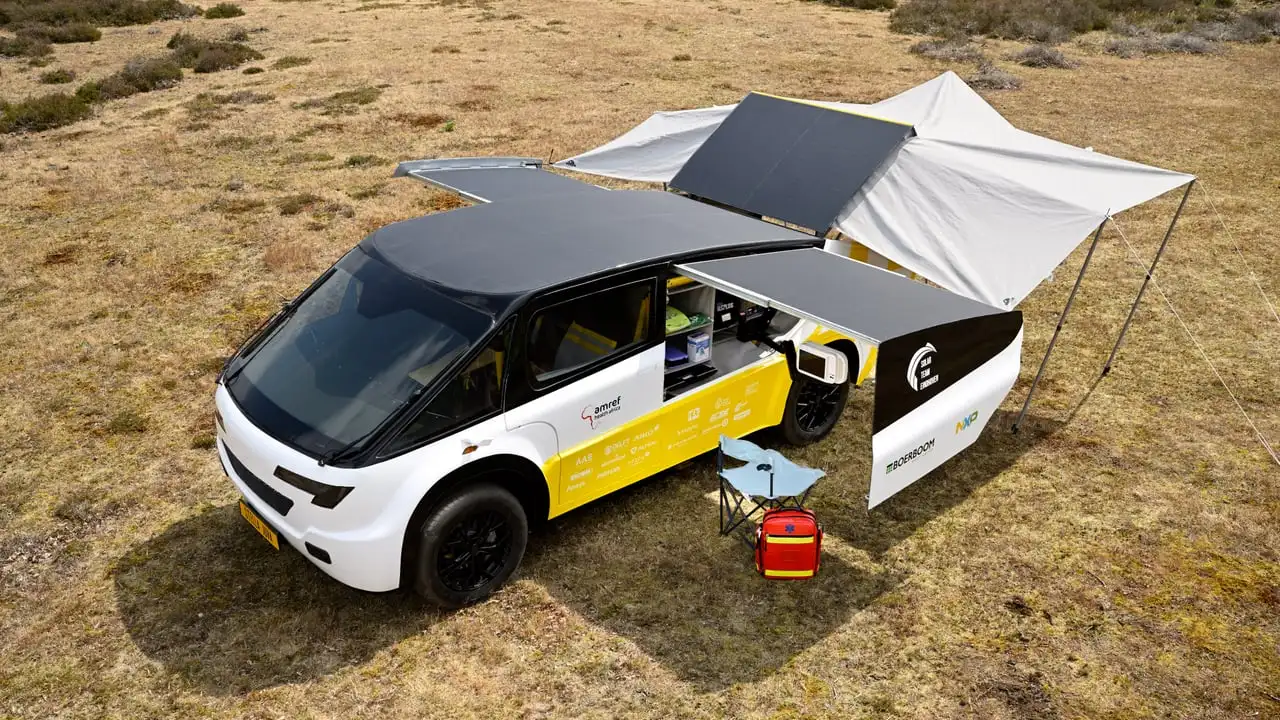
Students unveil world’s first solar-powered ambulance
-
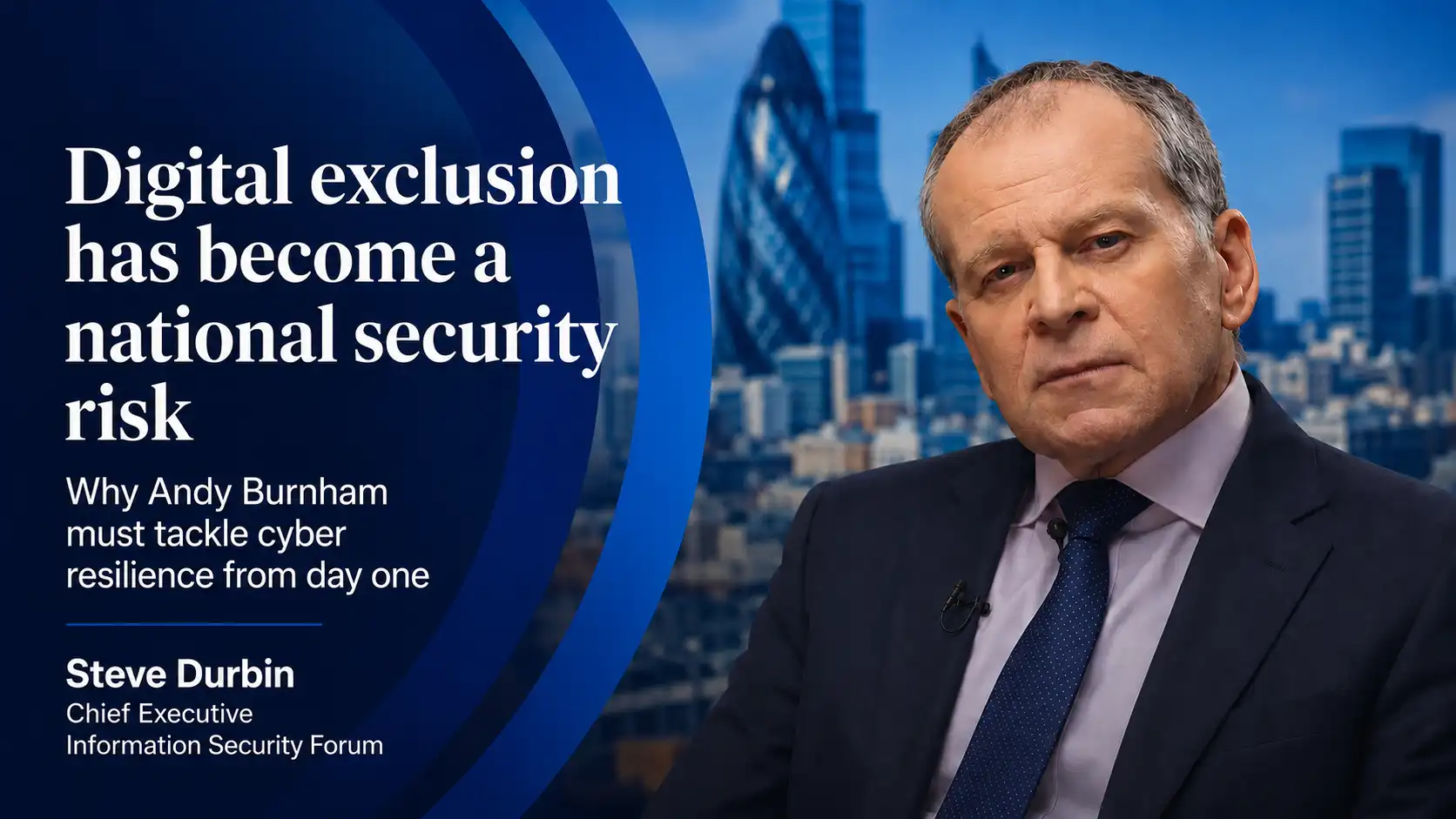
Burnham told to tackle Britain’s cyber weak spots on day one
-
Doctors using AI before health systems set the rules
-
Humanoid robots could become the next K-pop stars
-
Hormuz flashpoint keeps global shipping on high alert
-
Scientists to gather in Lisbon to tackle next pandemic threats
-
Burnham warned digital exclusion is now a national security risk
-
Masts from Kent ‘doomsday wreck’ to be cut to prevent catastrophic explosion
-
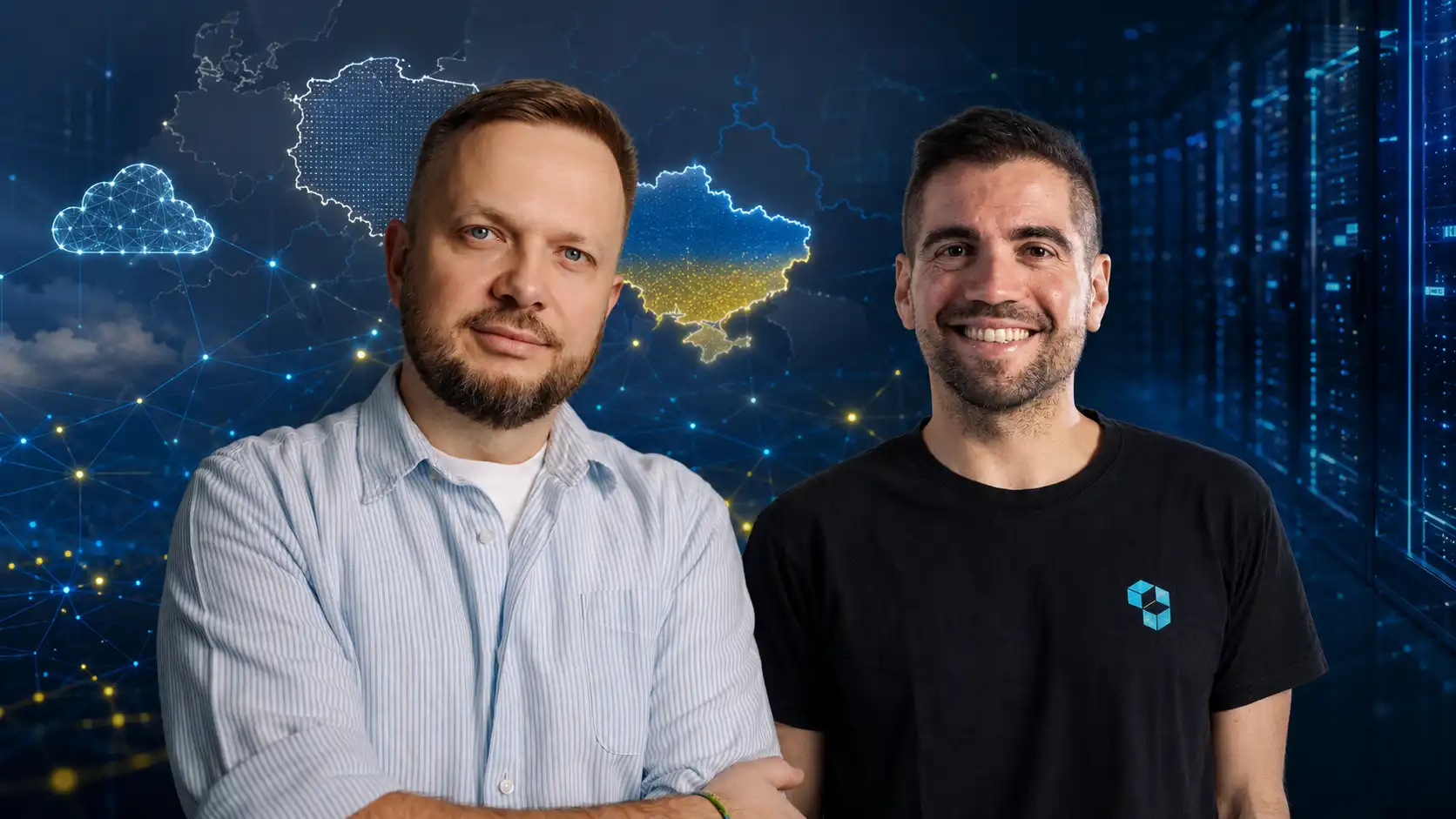
GigaCloud and Cubbit launch sovereign cloud storage for Ukraine and Poland
-
Tributes paid to ‘forthright and fearless’ Ann Widdecombe
-
Boeing to debut Ghost Bat drone at Farnborough Airshow
-
Reeves opens ‘£2bn lifeline’ for small firms
-
Babymoon boom: Rhodes crowned 2026's top pre-baby escape as Salcombe leads UK getaway list
-
Xavier Niel to become Vodafone’s largest shareholder in £4.4bn deal
-
Two-thirds of lawyers say strong legal claims are dropped because of cost
-
UK government must "think again" about small business plan
-
Lockheed Martin pushes European missile expansion at NATO summit
-
Britain's new homes face 2050s heat test as experts warn of overheating crisis
-
Sky agrees £1.6bn deal to buy ITV’s broadcasting and streaming arm
-
Scientists crack dinosaur egg mystery by building life-size nest
-
Nobel laureate Omar Yaghi launches global science network
-
Cardiff drivers safest in Britain as London comes last