Renewable energy shares in Germany rise

John E. Kaye
- Published
- Home, Sustainability
On Wednesday, data from Europe’s biggest state-funded research and development service showed that renewable energy’s share of Germany’s overall power supply mix rose by 8.8 percentage points in the January to June period to 55.8%
According to data from the Fraunhofer organisation of applied science, solar, wind, biomass and hydroelectric generation together produced 136.1 TWh out of the overall 243.8-terawatt hours (TWh) power production in the last six months.
During the coronavirus pandemic, the total production in the period was down by 11% year-on-year due to sharp falls in demand.
Generators responded by throttling down output at fossil fuels plants, which cannot be stored at a significant scale. While in contrast, green power output was up 8.4% on the year, benefiting from favourable weather conditions, priority dispatch on power networks, and continuously expanding capacity.
High wind speeds and high solar intensity more than overrode a decline in hydroelectric output.
Europe’s biggest economy is aiming for renewables to provide 65% of its power mix by 2030. It plans to abandon nuclear energy by 2022 and has confirmed an orderly long-term exit from hard coal by 2033 and brown coal by 2038.
In the first half, coal burning was the most unfortunate. Output from brown coal plants dropped 36.3% to 33.6 TWh and hard coal plants by 46% to 14.4 TWh in Jan-June, Fraunhofer said.
As carbon emissions price also increased and gas prices declined, more electricity producers switched to generating from gas-to-power plants. Their supply to public grids rose 13.9% to 28 TWh in the six months to June.
The cost of mandatory carbon emissions allowances covering coal and gas-fired power output on Wednesday hit 11-month highs of over 28 euros a tonne.
Reported by Vera Eckert
Sourced Reuters
For more Energy news follow The European Magazine.
TOP STORIES
-
 Students unveil world’s first solar-powered ambulance
 -
 Nobel laureate Omar Yaghi launches global science network
 -
Volunteers collect 11m rare seeds to restore Scotland’s native forests
-
Facebook owner Meta signs Texas solar deal with Turkish renewables firm
-
Street-by-street maps to reveal where England’s poorest communities face worst environmental risks
-
Stanley Johnson: the Government must ‘follow Ukraine back into Europe’s green network’
-
Ukraine joins European environment network in major conservation step after war damage to land and wildlife
-
China offers UK coastal rescue lessons as Yancheng wetlands hailed by conservation figures
-
Building Africa’s integrated energy future: how Tetracore Energy Group is expanding access to reliable and sustainable energy
-
UK hedgehog charity backs bid to put endangered mammal on new banknotes
-
Changing of the tide? How Mallorca is fighting to protect its clear blue seas
-
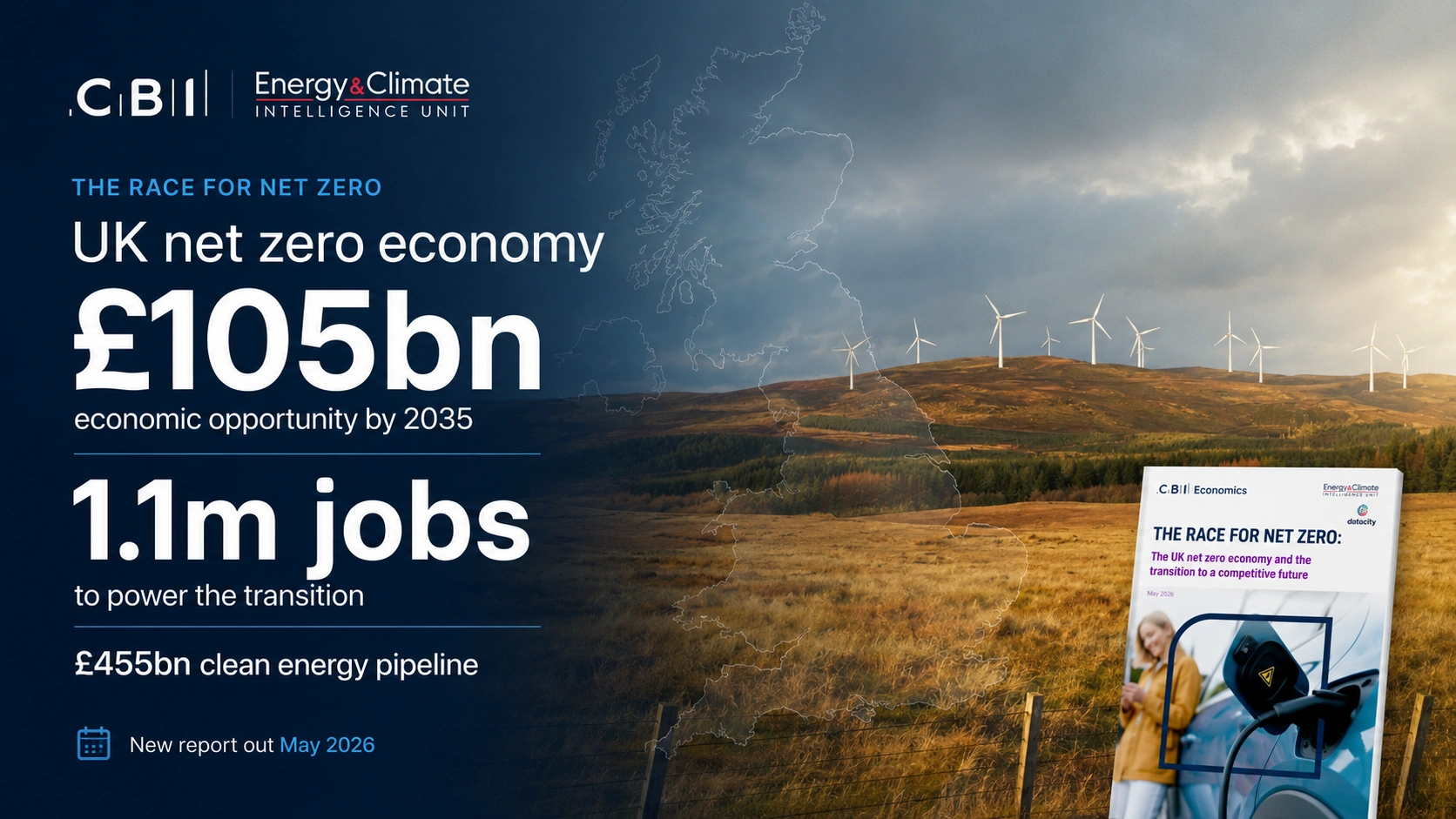
UK net zero economy worth £105bn and supports 1.1m jobs
-
Buffett succession moment frames investor talks on long-term value
-
Women’s leadership summit at UN focuses on capital, justice and future economy
-
Women hit by Indonesia disasters to receive 5,000 hygiene kits
-
Global CSR Foundation chief uses Davos platform to call for ethical AI and women-led growth
-
Solar and storage: Europe’s response to energy crises
-
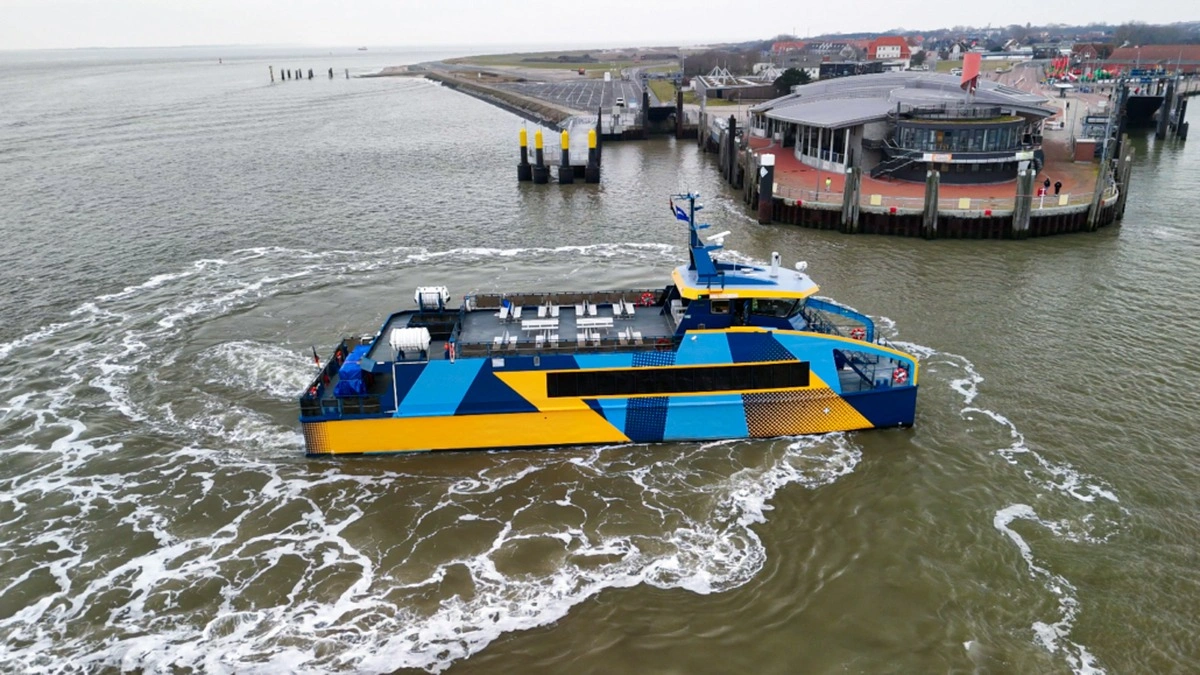
Parked electric cars could help power island ferries in German trial
-
Meet the Earth Prize-winning teenager tackling the world’s microplastic crisis
-
Middle East tensions expose Europe’s energy vulnerability as flexibility reshapes clean energy investment
-
Landmark UK nuclear deal to cut reliance on foreign energy after Middle East tensions
-
EU moves to make Europe’s tinderbox landscapes less prone to wildfire
-
Supermarkets move to end sale of live lobsters and crabs ahead of UK ban
-
Strong ESG records help firms take R&D global, study finds
-
How residence and citizenship programmes strengthen national resilience









TOP STORIES
-
Students unveil world’s first solar-powered ambulance
-
Nobel laureate Omar Yaghi launches global science network
-
Volunteers collect 11m rare seeds to restore Scotland’s native forests
-
Facebook owner Meta signs Texas solar deal with Turkish renewables firm
-
Street-by-street maps to reveal where England’s poorest communities face worst environmental risks
-
Stanley Johnson: the Government must ‘follow Ukraine back into Europe’s green network’
-
Ukraine joins European environment network in major conservation step after war damage to land and wildlife
-
China offers UK coastal rescue lessons as Yancheng wetlands hailed by conservation figures
-
Building Africa’s integrated energy future: how Tetracore Energy Group is expanding access to reliable and sustainable energy
-
UK hedgehog charity backs bid to put endangered mammal on new banknotes
-
Changing of the tide? How Mallorca is fighting to protect its clear blue seas
-
UK net zero economy worth £105bn and supports 1.1m jobs
-
Buffett succession moment frames investor talks on long-term value
-
Women’s leadership summit at UN focuses on capital, justice and future economy
-
Women hit by Indonesia disasters to receive 5,000 hygiene kits
-
Global CSR Foundation chief uses Davos platform to call for ethical AI and women-led growth
-
Solar and storage: Europe’s response to energy crises
-
Parked electric cars could help power island ferries in German trial
-
Meet the Earth Prize-winning teenager tackling the world’s microplastic crisis
-
Middle East tensions expose Europe’s energy vulnerability as flexibility reshapes clean energy investment
-
Landmark UK nuclear deal to cut reliance on foreign energy after Middle East tensions
-
EU moves to make Europe’s tinderbox landscapes less prone to wildfire
-
Supermarkets move to end sale of live lobsters and crabs ahead of UK ban
-
Strong ESG records help firms take R&D global, study finds
-
How residence and citizenship programmes strengthen national resilience