People act more rationally when they think they are dealing with AI, study finds

Dr Stephen Whitehead
- Published
- News
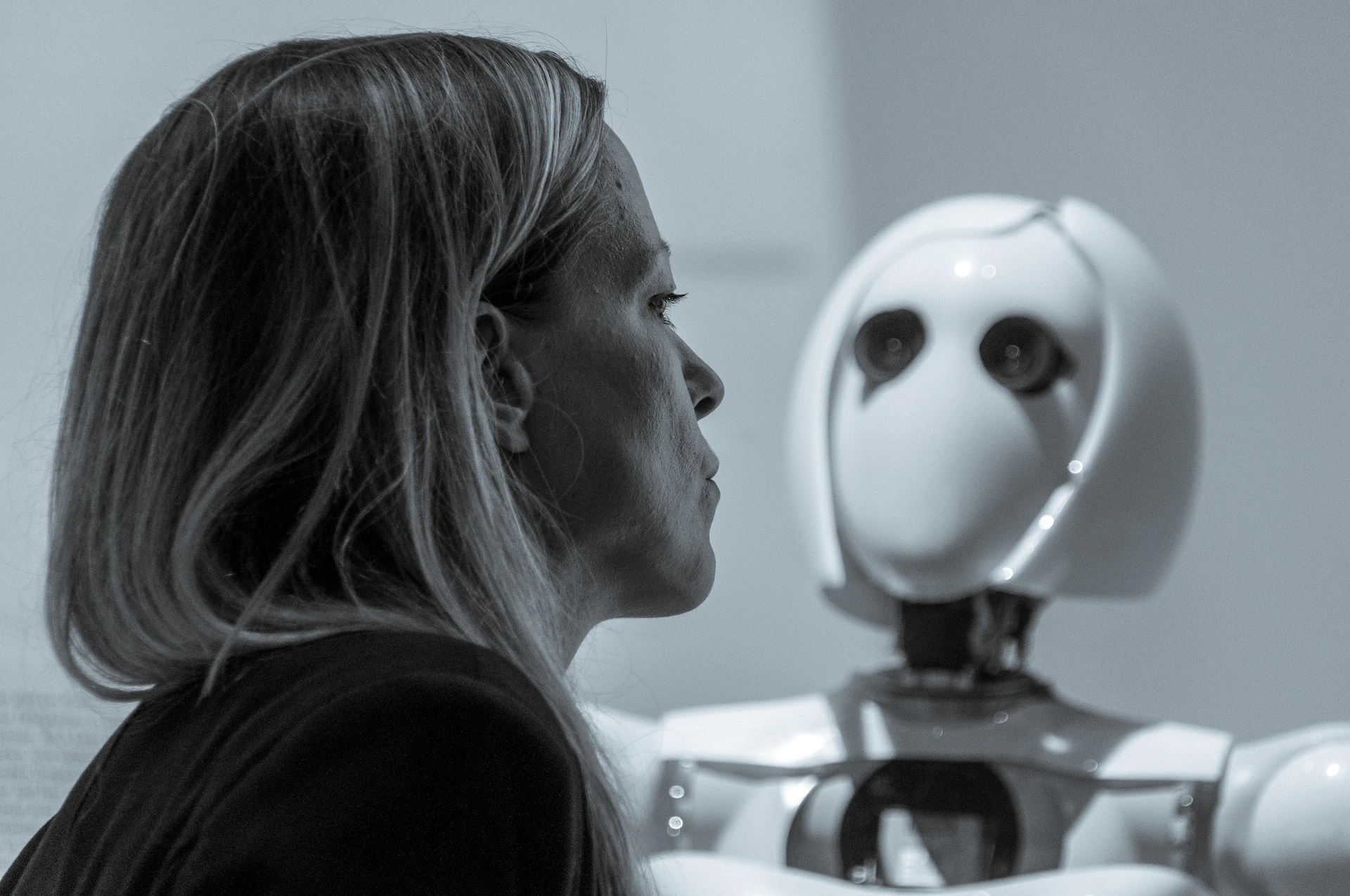
Researchers found participants were more willing to accept an unfair cash split from an AI partner than from a human, suggesting people see artificial intelligence as more logical and less driven by emotion
People make more economically rational decisions when they believe they are interacting with artificial intelligence rather than another person, according to research.
In a new study, participants took part in an economic game involving real money and were asked whether to accept or reject an unfair offer from either an AI or a human partner.
The proposed split was heavily weighted against them: 90 cents for the partner and 10 cents for the participant from a total of one dollar. If the participant rejected the offer, both sides received nothing.
From a purely economic point of view, accepting the 10-cent offer is the rational choice because it leaves the participant better off than rejecting it and getting nothing.
The researchers found that participants who believed they were dealing with AI were significantly more likely to accept the unfair split than those who thought the offer had come from a human.
The study by UCD Michael Smurfit Graduate Business School suggests that people tend to see AI as more reason-driven and human decision-making as more influenced by emotion.
The researchers said this may mean people adjust their own behaviour to match what they believe is a more logical counterpart, rather than the effect revealing something unique about AI itself.
The findings could matter well beyond the lab as AI becomes more common in business, public policy and negotiations, where perceptions of how machines “think” may shape the choices people make in response.
The research was carried out by behavioural scientists Dr Suhas Vijayakumar, Dr Yuna Yang and Dr David DeFranza, who examined how “lay beliefs” – everyday assumptions about how something works – can influence behaviour directly.
Decision-makers should be aware that people may bring pre-existing assumptions about AI’s decision-making style into interactions, and that those beliefs may affect how readily they accept AI recommendations, they said.
Dr Vijayakumar added: “We speculate perhaps a reason why people are less likely to accept a similar unfair offer from a person (human), could also be because of expectations of reciprocity and emotional fairness that we share with other human beings. Future research needs to look at further expectations and beliefs about AI”.
READ MORE: These are the 10 AI trends to watch in 2026 that will drive business forward. So-called vertical AI, context engineering, and the use of metadata operating systems are helping companies make smarter, more efficient decisions
Do you have news to share or expertise to contribute? The European welcomes insights from business leaders and sector specialists. Get in touch with our editorial team to find out more.
Main image: Pixabay
TOP STORIES
-
 British buyers fuel Greek luxury property boom after non-dom tax change
 -
 New York named world’s most attractive city for tourists
 -
Saab lands German frigate deal after Poland submarine order
-
Students unveil world’s first solar-powered ambulance
-
Burnham told to tackle Britain’s cyber weak spots on day one
-
Doctors using AI before health systems set the rules
-
Humanoid robots could become the next K-pop stars
-
Hormuz flashpoint keeps global shipping on high alert
-
Scientists to gather in Lisbon to tackle next pandemic threats
-
Burnham warned digital exclusion is now a national security risk
-
Masts from Kent ‘doomsday wreck’ to be cut to prevent catastrophic explosion
-
GigaCloud and Cubbit launch sovereign cloud storage for Ukraine and Poland
-
Tributes paid to ‘forthright and fearless’ Ann Widdecombe
-
Boeing to debut Ghost Bat drone at Farnborough Airshow
-
Reeves opens ‘£2bn lifeline’ for small firms
-
Babymoon boom: Rhodes crowned 2026's top pre-baby escape as Salcombe leads UK getaway list
-
Xavier Niel to become Vodafone’s largest shareholder in £4.4bn deal
-
Two-thirds of lawyers say strong legal claims are dropped because of cost
-
UK government must "think again" about small business plan
-
Lockheed Martin pushes European missile expansion at NATO summit
-
Britain's new homes face 2050s heat test as experts warn of overheating crisis
-
Sky agrees £1.6bn deal to buy ITV’s broadcasting and streaming arm
-
Scientists crack dinosaur egg mystery by building life-size nest
-
Nobel laureate Omar Yaghi launches global science network
-
Cardiff drivers safest in Britain as London comes last