Global energy crisis ‘worse than 1970s oil shocks combined’, IEA chief warns

John E. Kaye
- Published
- News
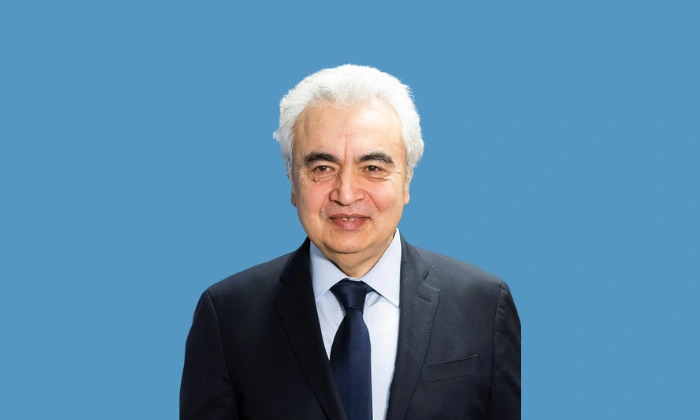
Fatih Birol says disruption from the Iran conflict has cut oil and gas supplies on a scale exceeding historic crises, posing a “major threat” to the global economy
The world is facing an energy crisis more severe than the oil shocks of the 1970s and the fallout from Russia’s invasion of Ukraine combined, the head of the International Energy Agency has warned.
Fatih Birol, pictured, the IEA’s executive director, said disruption caused by the U.S–Israel war on Iran had triggered simultaneous shocks to oil and gas markets, with supply losses exceeding those seen in previous crises.
“This crisis, as things stand, is now two oil crises and one gas crash put all together,” he reportedly said in remarks at Australia’s National Press Club in Canberra.
The conflict has reduced global oil supply by about 11 million barrels per day, more than double the combined shortfalls recorded during the oil shocks of 1973 and 1979, according to the IEA.
Liquefied natural gas supplies have fallen by around 140 billion cubic metres, compared with a 75bcm shortfall following Russia’s 2022 invasion of Ukraine.
Birol said at least 40 energy facilities across nine countries had been severely damaged, adding to the strain on global supply.
“The global economy is facing a major, major threat today, and I very much hope that this issue will be resolved as soon as possible,” he said.
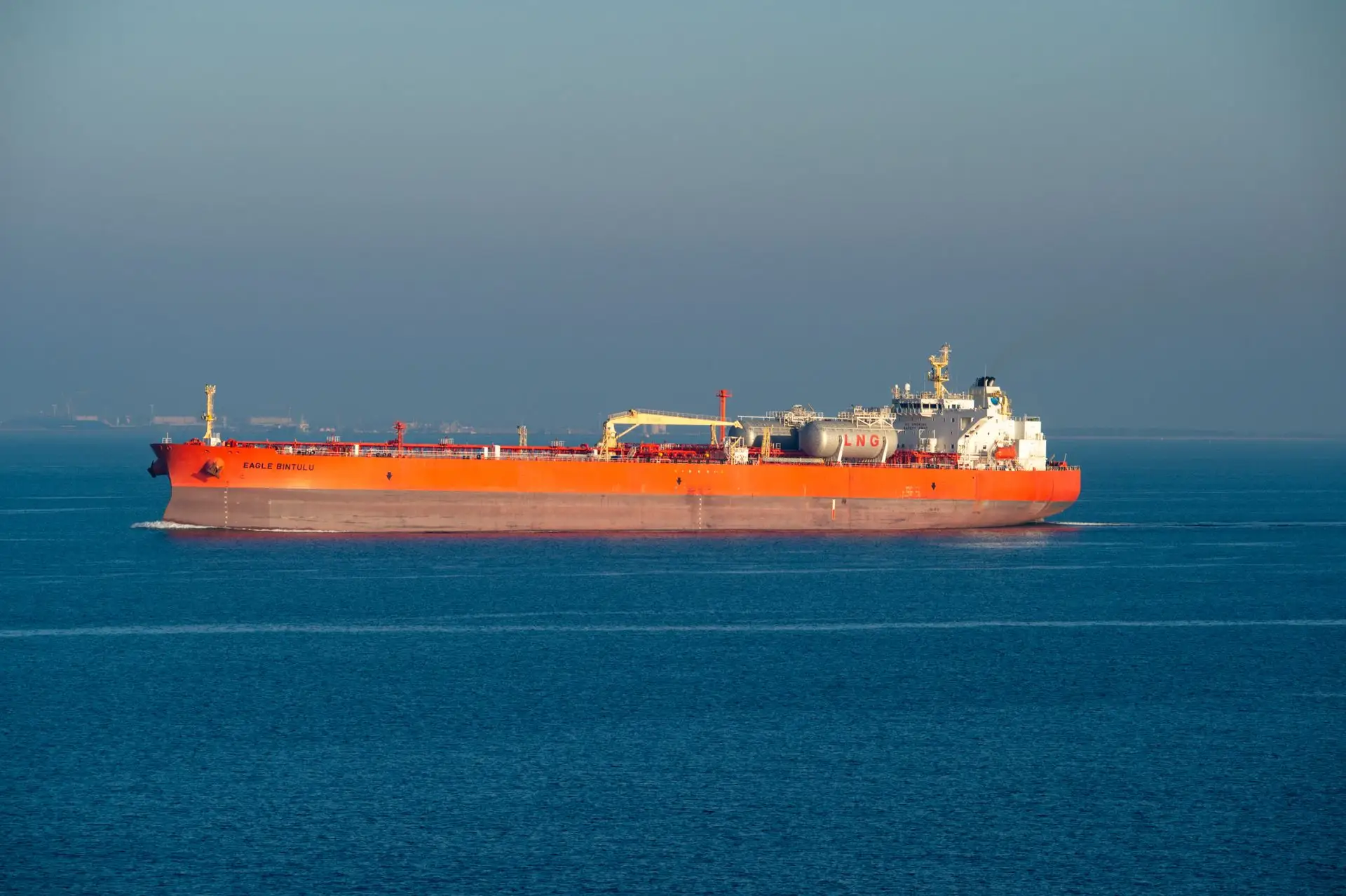
The disruption has been driven in large part by the effective closure of the Strait of Hormuz, a route that typically carries about a fifth of the world’s oil and LNG supplies. Oil prices have risen by more than 50 per cent since the conflict began on 28 February.
Birol said the most effective way to stabilise markets would be to reopen the waterway, describing that as the “single most important solution” to the crisis.
The Paris-based agency has already announced plans to coordinate the release of 400 million barrels of oil from emergency stockpiles and is in discussions with governments about further releases if needed.
It has also proposed measures to curb demand, including increased remote working, carpooling and lower motorway speed limits.
Birol said he had decided to speak publicly about the scale of the crisis after concluding that its severity had not been fully recognised.
“I thought the depth of the problem was not well appreciated by the decision-makers around the world,” he said.
Tensions remain high in the region. U.S President Donald Trump has issued Iran with a 48-hour ultimatum to reopen the Strait of Hormuz or face further strikes, while Tehran has threatened to escalate attacks on energy and water infrastructure if its own facilities are targeted.
READ MORE: ‘Iran, nuclear proliferation and the hard choices facing democracies‘. Should the West risk confrontation with Iran, or accept the possibility of a nuclear-armed regime exerting leverage over one of the world’s most important oil routes? The question goes to the heart of today’s debate over Iran and the risks facing global trade, writes Business & Regulation Correspondent Harry Margulies.
Do you have news to share or expertise to contribute? The European welcomes insights from business leaders and sector specialists. Get in touch with our editorial team to find out more.
Main image: International Energy Agency executive director Fatih Birol has warned the global economy faces a “major threat” as energy supply disruptions escalate following the Iran conflict.Credit: BMEIA/Gruber via Flickr (CC BY 2.0)
TOP STORIES
-
 British buyers fuel Greek luxury property boom after non-dom tax change
 -
 New York named world’s most attractive city for tourists
 -
Saab lands German frigate deal after Poland submarine order
-
Students unveil world’s first solar-powered ambulance
-
Burnham told to tackle Britain’s cyber weak spots on day one
-
Doctors using AI before health systems set the rules
-
Humanoid robots could become the next K-pop stars
-
Hormuz flashpoint keeps global shipping on high alert
-
Scientists to gather in Lisbon to tackle next pandemic threats
-
Burnham warned digital exclusion is now a national security risk
-
Masts from Kent ‘doomsday wreck’ to be cut to prevent catastrophic explosion
-
GigaCloud and Cubbit launch sovereign cloud storage for Ukraine and Poland
-
Tributes paid to ‘forthright and fearless’ Ann Widdecombe
-
Boeing to debut Ghost Bat drone at Farnborough Airshow
-
Reeves opens ‘£2bn lifeline’ for small firms
-
Babymoon boom: Rhodes crowned 2026's top pre-baby escape as Salcombe leads UK getaway list
-
Xavier Niel to become Vodafone’s largest shareholder in £4.4bn deal
-
Two-thirds of lawyers say strong legal claims are dropped because of cost
-
UK government must "think again" about small business plan
-
Lockheed Martin pushes European missile expansion at NATO summit
-
Britain's new homes face 2050s heat test as experts warn of overheating crisis
-
Sky agrees £1.6bn deal to buy ITV’s broadcasting and streaming arm
-
Scientists crack dinosaur egg mystery by building life-size nest
-
Nobel laureate Omar Yaghi launches global science network
-
Cardiff drivers safest in Britain as London comes last