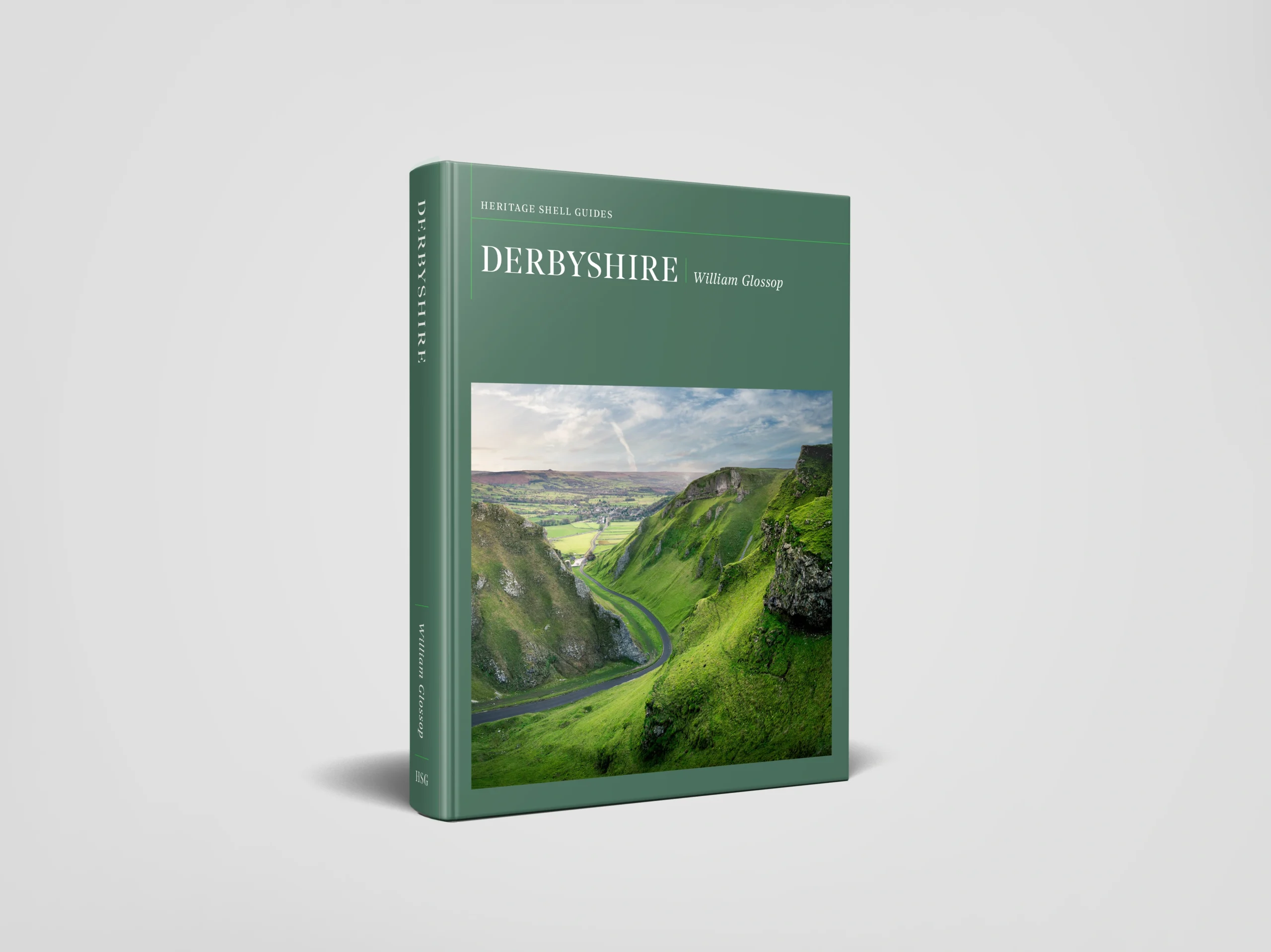
In a candid conversation with The European, barrister-turned-author William Glossop explains why Chatsworth and Haddon Hall continue to embody Derbyshire’s grandeur, why the Peak District’s hills remain irresistible to walkers, and why the latest Shell Guide pulls no punches on the scars of quarrying and the urgent need to safeguard the county’s landscape for future generations
Your new Heritage Shell Guide to Derbyshire has been described as both a celebration and a warning. How would you sum up its message?
The book celebrates Derbyshire’s extraordinary variety — its great houses, market towns, churches and industrial heritage — but it also confronts the scars left by quarrying and short-sighted development. It is both a record of what endures and a reminder of how fragile that inheritance really is.
Chatsworth, Haddon Hall and Hardwick have long defined Derbyshire’s image. Why do these great houses still hold such appeal?
They embody centuries of English history and ambition. Chatsworth is still a living estate, Haddon is one of the finest medieval houses in the country, and Hardwick represents Elizabethan confidence and grandeur. They speak not only of architecture, but of families, politics and culture woven into the fabric of the county.
Beyond the stately homes, what should visitors seek out?
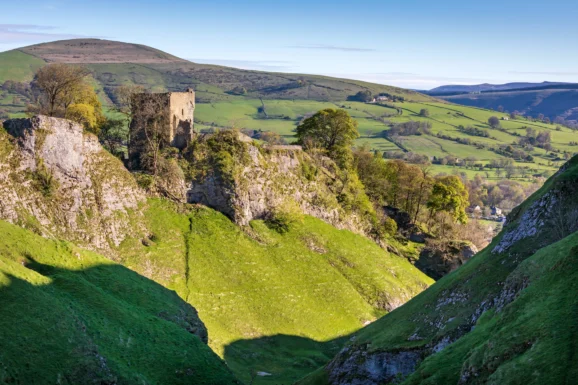
Derbyshire’s smaller towns and villages are every bit as rewarding. Bakewell and Ashbourne with their fine churches and markets, Matlock with its riverside terraces, and quiet places such as Tissington or Ashford-in-the-Water all capture the county’s character in more intimate ways.
You write vividly about the Peak District. What makes its walking country so special?
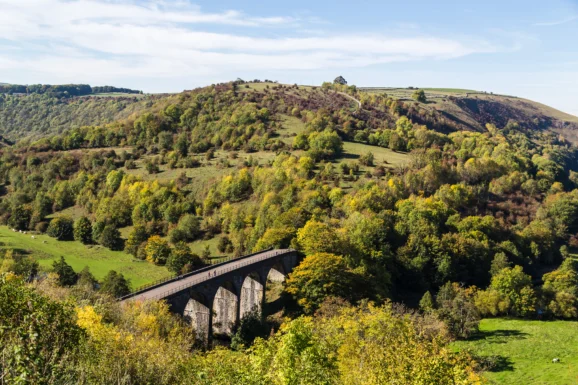
The Peak District was Britain’s first National Park for good reason. From the wild moorlands of Kinder Scout to the limestone dales of Dovedale, the variety here is unmatched. Ramblers find both challenge and beauty there, and for many the experience of walking those hills and valleys is inseparable from a sense of freedom and belonging.
Quarrying has been a dominant theme in your book. Why take such a strong line on it?
Anyone can see the damage. Hills near Earl Sterndale are hollowed out, valleys are flooded, and skylines are scarred. The marks are real and permanent. I do not oppose industry because livelihoods matter, but there has to be balance. When heritage, communities and the land itself are sacrificed for profit, the loss is permanent.
Do you believe enough is being done to safeguard Derbyshire’s natural beauty?
Not yet. The National Park Authority has done much, but too often its decisions are overruled by ministers. What is required is a long-term view, one that treats the landscape as a legacy to be handed on intact, not a resource to be spent.
The Shell Guides have an illustrious history. Why do they still matter today?
A Shell Guide does far more than give directions. An app will tell you the quickest road from A to B, but it will not explain why a church tower leans, how a mill shaped the lives of a valley, or what lies behind the name of a village. The Guides add context and judgement. They put places into their historical and cultural setting, and they invite the reader to see the landscape as a living story. At their best, they are a travelling companion rather than a navigation tool.
How do you balance scholarship with personal opinion in a Shell Guide?
A: The tradition of the Guides has always been frankness. They are not neutral catalogues but informed portraits of an area. My legal background helped in weighing evidence, but my years walking Derbyshire gave me the confidence to speak plainly when something is magnificent — or when it has been disfigured.
What surprised you most in researching this volume?
A: The sheer resilience of the county’s identity. Despite the damage of quarrying and industrial decline, Derbyshire remains instantly recognisable. Its architecture, its market towns, its hills and rivers all hold together as a coherent whole. That is a remarkable strength.
Finally, what do you hope readers will take away from your book?
A: That Derbyshire is both a treasure and a responsibility. To enjoy Chatsworth or a walk in the Peak is to enjoy the labour of generations before us. We owe it to those who come after to ensure that the county is remembered for what was preserved, not for what was lost.
The Heritage Shell Guide to Derbyshire by William Glossop will be published in paperback on 1 November 2025, priced at £25, and is available from Waterstones.
READ MORE: Book review: Britain’s most storied guidebook series returns with a Derbyshire volume that mixes celebration with stark warnings of industrial devastation. As navigation apps chase speed and efficiency, the new Heritage Shell Guide to Derbyshire restores depth and perspective, revealing the county’s beauty and scars with a voice as distinctive as its landscapes, finds John E. Kaye.
Do you have news to share or expertise to contribute? The European welcomes insights from business leaders and sector specialists. Get in touch with our editorial team to find out more.
Main Image: The new Heritage Shell Guides, Derbyshire (2025), revives a storied publishing tradition, combining celebration of the county’s landscapes with a candid critique of their scars.