Trinity Business School study warns conspiracy theories are fueling real-world protest and sabotage

John E. Kaye
- Published
- News
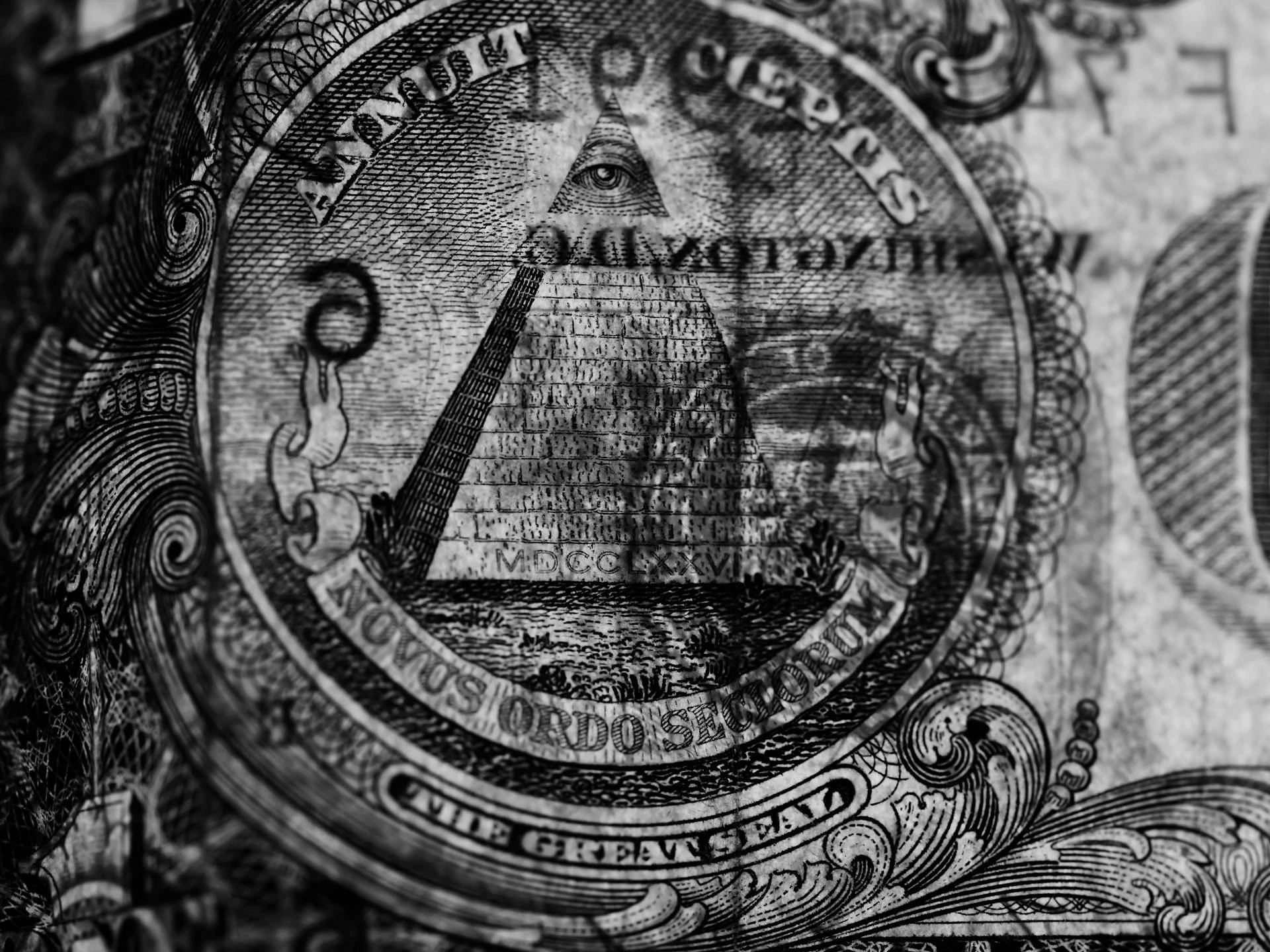
New research from Trinity Business School warns that conspiracy movements are no longer isolated or fringe. Instead, they are becoming organised social networks offering belonging, identity and purpose — and driving real-world protest
Conspiracy theories have evolved into organised social movements that foster belonging, identity and activism — and are increasingly spilling over into the real world, worrying new research suggests.
A study by Trinity Business School warns that conspiracy communities are no longer limited to “keyboard warriors” exchanging misinformation online, but are instead forming structured networks that mobilise protests, picket vaccination centres and, in some cases, vandalise telecommunication and traffic infrastructure.
The research, revealed today, found that the true appeal of conspiracy theories lies less in misinformation itself than in the sense of identity, purpose and shared belonging these groups provide.
Many participants, the study notes, join after moments of personal crisis such as bereavement or job loss — events that deepen mistrust in institutions and lead to what adherents describe as “awakenings”, sudden realisations that hidden powers are controlling social or political life.
Within these communities, members collaborate as self-styled “detectives”, pooling information, sharing “evidence”, and collectively investigating perceived cover-ups. “There’s a real buzz in this community … building on the work of others, giving each other support,” one participant said.
The process, researchers found, offers excitement, agency and emotional connection — key factors in sustaining involvement.
But while such networks can reinforce solidarity, the study cautions that they can also encourage direct action.
Movements linked to 5G, COVID-19, and so-called “15-minute cities” have all led to public protests and incidents of sabotage.
These actions, the authors warn, risk legal consequences, social isolation and misplaced blame, while also fuelling a growing economy of “conspiracy entrepreneurs” profiting from books, seminars, merchandise and alternative health products.
The study was led by Dr Stephen Murphy, Assistant Professor at Trinity Business School. He said: “Contrary to the stereotype of isolated keyboard warriors who have gone down the rabbit hole, conspiracy theorists are becoming organised, recruiting supporters, picketing vaccination centres and vandalising telecommunication and traffic infrastructures.
The findings suggest that efforts to combat conspiracy theories must move beyond simply correcting false claims. Effective responses, Dr Murphy argues, must acknowledge that these groups meet fundamental human needs for connection, belonging and purpose — needs that cannot be “fact-checked away”.
The research draws on long-term qualitative fieldwork in the UK, combining in-depth interviews with observation at public meetings, conferences and online forums.
READ MORE: ‘Trump and painkillers: The attack on science is an attack on democracy‘. Donald Trump’s baseless claim that paracetamol use in pregnancy can cause autism is part of a broader pattern of undermining science to weaken democracy itself, argues Professor Eric Heinze of Queen Mary University of London.
Do you have news to share or expertise to contribute? The European welcomes insights from business leaders and sector specialists. Get in touch with our editorial team to find out more.
Main image: Rūdolfs Klintsons/Pexels
TOP STORIES
-
 British buyers fuel Greek luxury property boom after non-dom tax change
 -
 New York named world’s most attractive city for tourists
 -
Saab lands German frigate deal after Poland submarine order
-
Students unveil world’s first solar-powered ambulance
-
Burnham told to tackle Britain’s cyber weak spots on day one
-
Doctors using AI before health systems set the rules
-
Humanoid robots could become the next K-pop stars
-
Hormuz flashpoint keeps global shipping on high alert
-
Scientists to gather in Lisbon to tackle next pandemic threats
-
Burnham warned digital exclusion is now a national security risk
-
Masts from Kent ‘doomsday wreck’ to be cut to prevent catastrophic explosion
-
GigaCloud and Cubbit launch sovereign cloud storage for Ukraine and Poland
-
Tributes paid to ‘forthright and fearless’ Ann Widdecombe
-
Boeing to debut Ghost Bat drone at Farnborough Airshow
-
Reeves opens ‘£2bn lifeline’ for small firms
-
Babymoon boom: Rhodes crowned 2026's top pre-baby escape as Salcombe leads UK getaway list
-
Xavier Niel to become Vodafone’s largest shareholder in £4.4bn deal
-
Two-thirds of lawyers say strong legal claims are dropped because of cost
-
UK government must "think again" about small business plan
-
Lockheed Martin pushes European missile expansion at NATO summit
-
Britain's new homes face 2050s heat test as experts warn of overheating crisis
-
Sky agrees £1.6bn deal to buy ITV’s broadcasting and streaming arm
-
Scientists crack dinosaur egg mystery by building life-size nest
-
Nobel laureate Omar Yaghi launches global science network
-
Cardiff drivers safest in Britain as London comes last