The Council of the European Union has agreed its negotiating position on the bloc’s largest pharmaceutical regulatory overhaul in more than two decades, clearing the way for talks with the European Parliament later this year, (writes John E. Kaye)
The so-called ‘pharma package’ consists of a proposed regulation and directive aimed at modernising the EU’s pharmaceutical framework. The reforms seek to improve equitable access to medicines across the Union, reduce regulatory complexity, and enhance the sector’s global competitiveness.
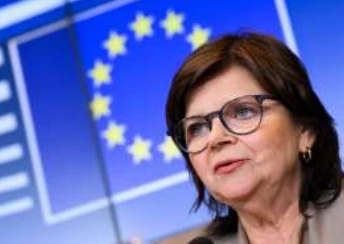
Polish Health Minister Izabela Leszczyna, pictured, described the agreement as “a vital step toward ensuring that all Europeans have timely and equitable access to safe, affordable, and effective medicines.” She added: “At the same time, it strengthens the competitiveness and sustainability of our pharmaceutical sector and supports improved regulatory conditions to boost clinical research and to address public health needs. We are building a healthier, more resilient Europe that leaves no one behind.”
Under the Council’s agreed position, the standard period of regulatory data protection for innovative medicines would be set at eight years. An additional year of regulatory market protection would be granted, with the possibility of extending it to two years if certain pre-defined conditions are met. This marks a shift from the European Commission’s original proposal, which suggested reducing the standard data protection period to six years, with incentives for broader EU market launches.
The Council also backed a new obligation for pharmaceutical companies to ensure sufficient supply of authorised medicines within individual member states. A new article (56a) would grant national authorities the power to require marketing authorisation holders to meet domestic patient demand. The Council stated that the provision gives “member states the power to oblige the marketing authorisation holder of a medicinal product to make that product available in sufficient quantities to cover the needs of patients in the member state.”
In a move aimed at encouraging the development of new antimicrobials, the Council introduced conditions on the use of so-called transferable exclusivity vouchers. These can only be used from the fifth year of regulatory data protection and are subject to a revenue cap of €490 million in annual EU sales in the preceding four years.
According to the Council’s position, the voucher “can only be used in the fifth year of the regulatory data protection period, and only if the marketing authorisation holder demonstrates that the annual gross EU sales of the product have not exceeded €490 million in any of the preceding four years.”
To support the earlier market entry of generics and biosimilars, the Council’s position expands the so-called ‘Bolar exemption’, allowing the use of patented data in submissions for procurement tenders as well as for regulatory approvals. The Council said the amendment is intended “to support earlier market entry of generic and biosimilar medicinal products,” and that it “further clarifies the scope of the so-called ‘Bolar exemption’ and expands it to include submissions for procurement tenders.”
Negotiations with the European Parliament are expected to begin in the coming months, with a final version of the legislation to be adopted following legal and linguistic review.
The European Commission first proposed the legislative package in April 2023, with goals including bolstering the availability of innovative medicines, addressing environmental impacts, and easing administrative burdens for drug developers.
The reform has drawn close scrutiny from both industry and public health stakeholders, with differing views on how best to balance incentives for innovation with the need for equitable access to treatments across all member states.
Main Image: Marco/Pexels