Six regional British airports will temporarily reintroduce restrictions on carrying liquids over 100ml, it has emerged
The change came into effect on Sunday 9th June 2024 and will affect travellers using London City, Newcastle, Southend, Leeds Bradford, Aberdeen and Teesside airports.
All six airports have Next Generation Security Checkpoints (NGSC) in operation, which had allowed them to scrap the rule.
The hi-tech CT scanners create a 3D image of what is inside passengers’ bags.
In a statement, the Department for Transport said: “From 0001 on Sunday 9th June 2024, 100ml restrictions on liquids will temporarily be reintroduced for passengers travelling from six regional airports where Next Generation Security Checkpoints (NGSC) are in full operation.
“This temporary move is to enable further improvements to be made to the new checkpoint systems and will only affect a small number of passengers. For most passengers, security measures will remain unchanged.
The 100ml rule was introduced in 2006 after a foiled terror plot to blow up planes flying from London to the US with homemade liquid bombs.
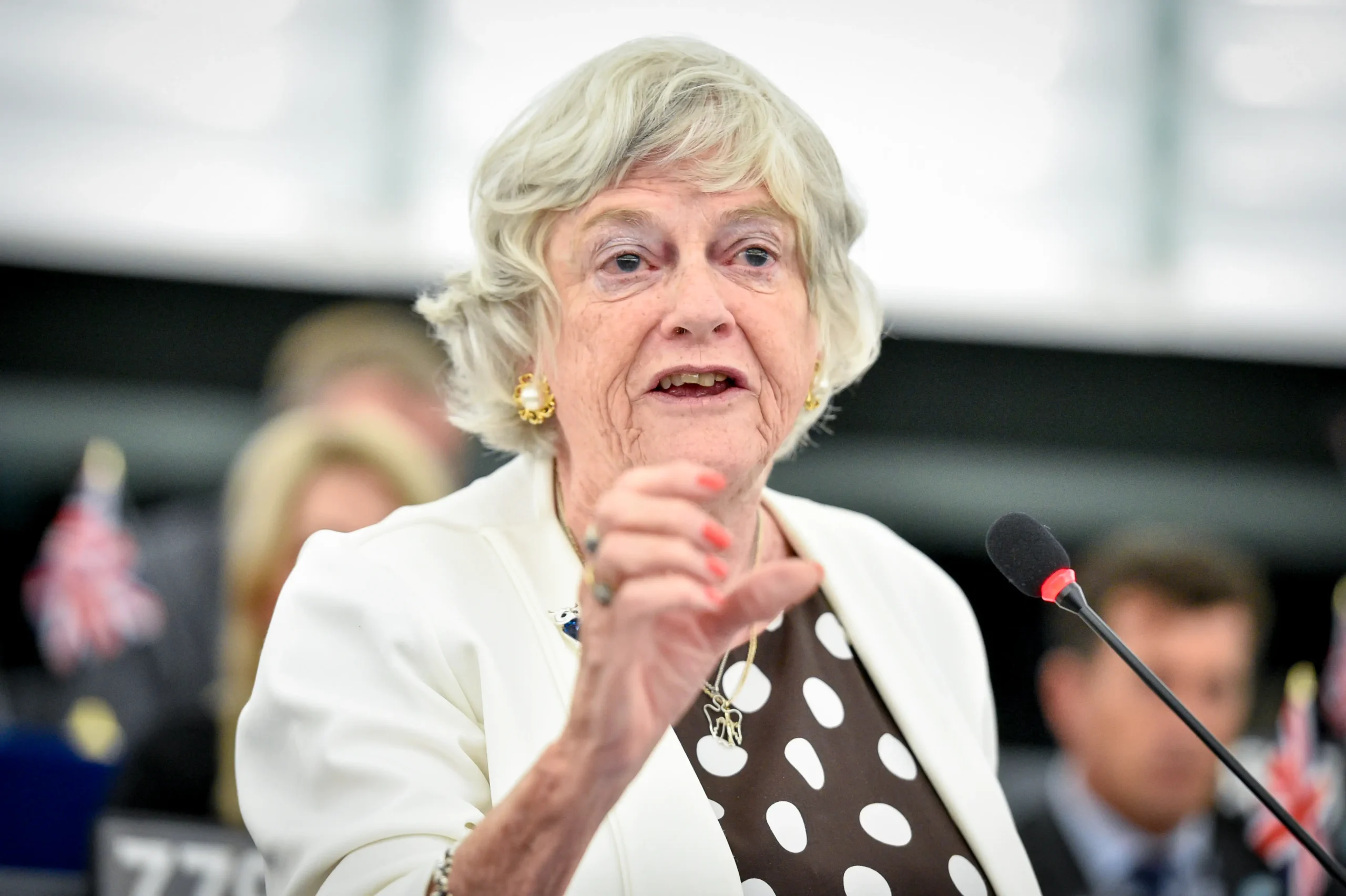
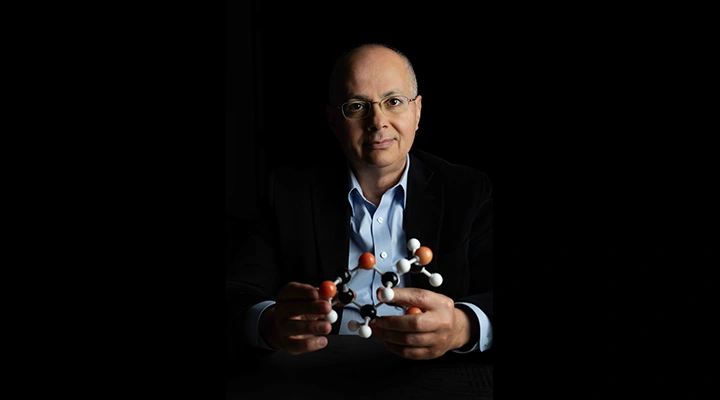
Transport Secretary Mark Harper, pictured, said airline passengers should “check with their airport what the rules are” on carrying liquids over 100ml amid some confusion over the restrictions.

He told BBC Breakfast on Saturday: “The announcement we’ve made, which comes into force from midnight tonight, actually only affects six regional airports and about 6% of those travelling.
“For most passengers, actually, the rules haven’t changed at all yet and won’t therefore change tonight. People should just check with their airport what the rules are or the processes are at a particular airport.
“We’ve reintroduced that rule while updates and changes are made to the scanning equipment at airports to make sure we can continue delivering our world-leading levels of aviation security.
“It’s a temporary measure and we’ll set out when that can be reversed in due course.”
Images © Richard Townshend/Wikipedia; Oleksandr P/Pexels