Human Robot collaboration set to harness Al power

John E. Kaye
- Published
- Home, Technology
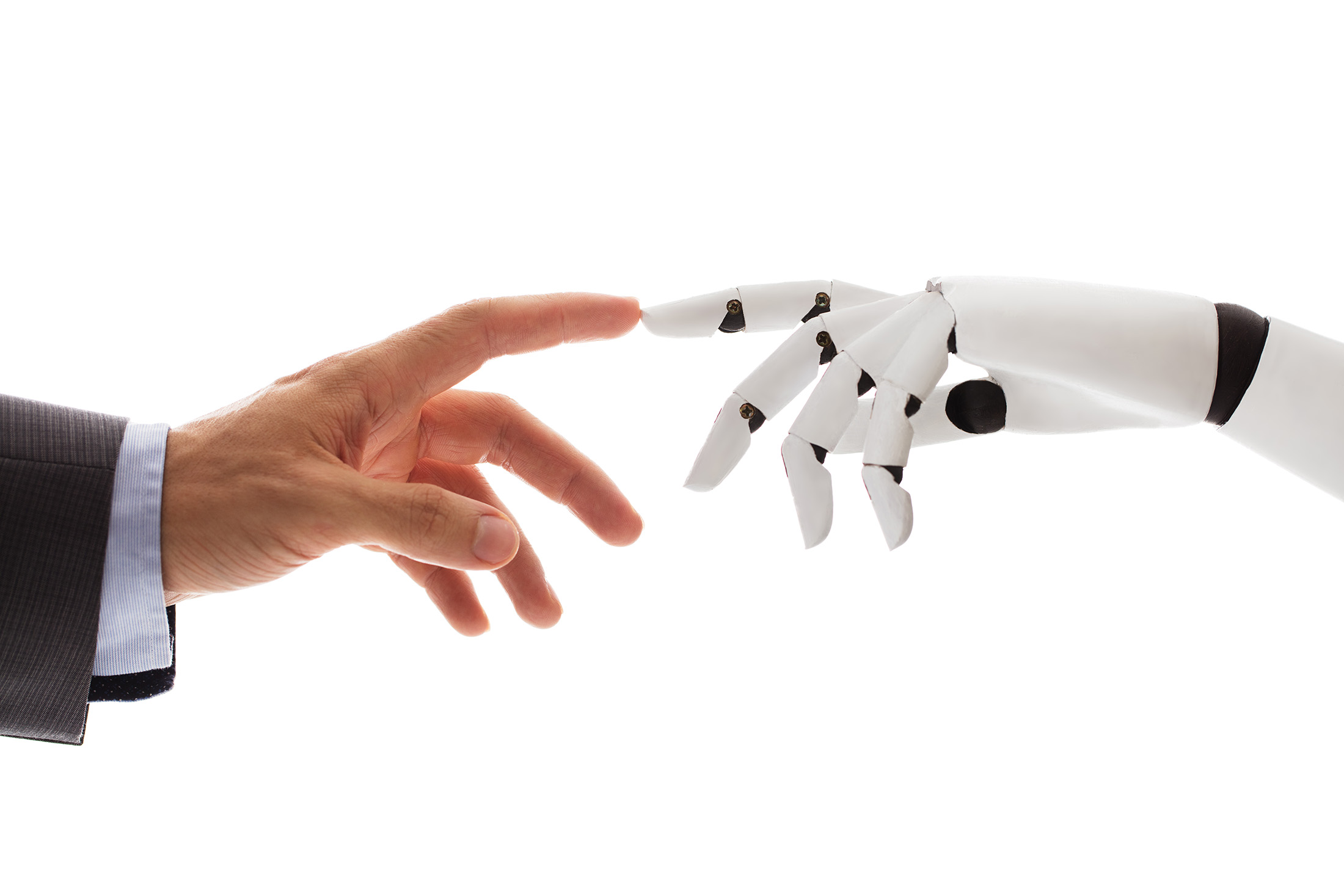
The rise of the robots conjures up dystopian images of the Human Robot and hyper-intelligent machines out-thinking humans then maliciously turning on their creators. Think Terminator meets I, Robot.
By next year, 42 million robots are expected to be sold, up from 5.5 million in 2015. Sci-fi author Isaac Asimov’s Three Laws of Robotics mandates that robots must obey humans and do no harm. But fears persist that artificially-intelligent devices pose an existential threat to humanity.
AI is, essentially, the process of designing and programming algorithms, computers and robots to evolve and adapt – based on data inputs – to solve problems, reveal insights and make predictions.
A sober analysis of AI foresees a world where we collaborate, rather than compete, with synthetically-intelligent machines to eliminate tedious, dangerous and dirty tasks, in the process liberating our own creativity.
AI-enabled systems can now read and synthesise massive amounts of data. Doctors, lawyers and other experts can draw upon these vast data sets to swiftly diagnose disease, identify relevant case law and accelerate decision-making.
Cyber-physical sensors can not only respond to, but also predict, natural disasters; eventually the Human Robot will be able enter disaster zones and rescue survivors.
According to Daniela Rus, who leads a group at Massachusetts Institute of Technology’s Computer Science and Artificial Intelligence Laboratory, it is now nearly possible to manufacture working robots that walk straight out of a 3D printer.
There are paralysing limitations to robots’ prosthetic prowess, though. Amazon’s Alexa can’t vacuum your carpet and Roomba can’t order you a takeaway. That’s because robots are restricted in the way they ‘reason’ with their environment. Collaborating with AI systems will enable us to augment and amplify many aspects of work and life, says the MIT academic.
Rus claims machines are much faster and more precise at repetitive, mundane jobs like crunching numbers, memorising, discerning patterns and lifting heavy objects. Humans, however, outwit them in creative processes and abstract thinking.
Critics often cite job displacement as an anxiety fostered by the Human Robot. Yet such fears may be overhyped. Like any innovation, AI is neither good nor bad; it’s the uses it’s put to that are open to ethical inquiry.
Imperial College London runs Tech Foresight, a futuristic laboratory that tries to help boardrooms foresee how technology, including AI, will affect their company. It ranks how close even the most far-fetched AI advances – such as implantable phones and head transplants – are from being realised.
As for the nightmare scenario where indestructible AI-enabled robotic armies crush soft humans underfoot, rest assured. Malevolent machines are ranked 99 on Tech Foresight’s list of most likely innovations. Number one, by the way, is the ‘smart nappy’ which will render the ‘sniff test’ obsolete.
TOP STORIES
-
 Ulugbek Mirzamukhamedov on how AI could power the 21st-century economy
 -
 Burnham told to tackle Britain’s cyber weak spots on day one
 -
Doctors using AI before health systems set the rules
-
Humanoid robots could become the next K-pop stars
-
Burnham warned digital exclusion is now a national security risk
-
GigaCloud and Cubbit launch sovereign cloud storage for Ukraine and Poland
-
Scientists crack dinosaur egg mystery by building life-size nest
-
WPSL golfers to receive global eSIM access in Yesim partnership
-
Former Kyndryl Germany boss joins Infinigate in growth role
-
Trump threatens 'immediate 100pc tariffs' on European countries over tech taxes
-
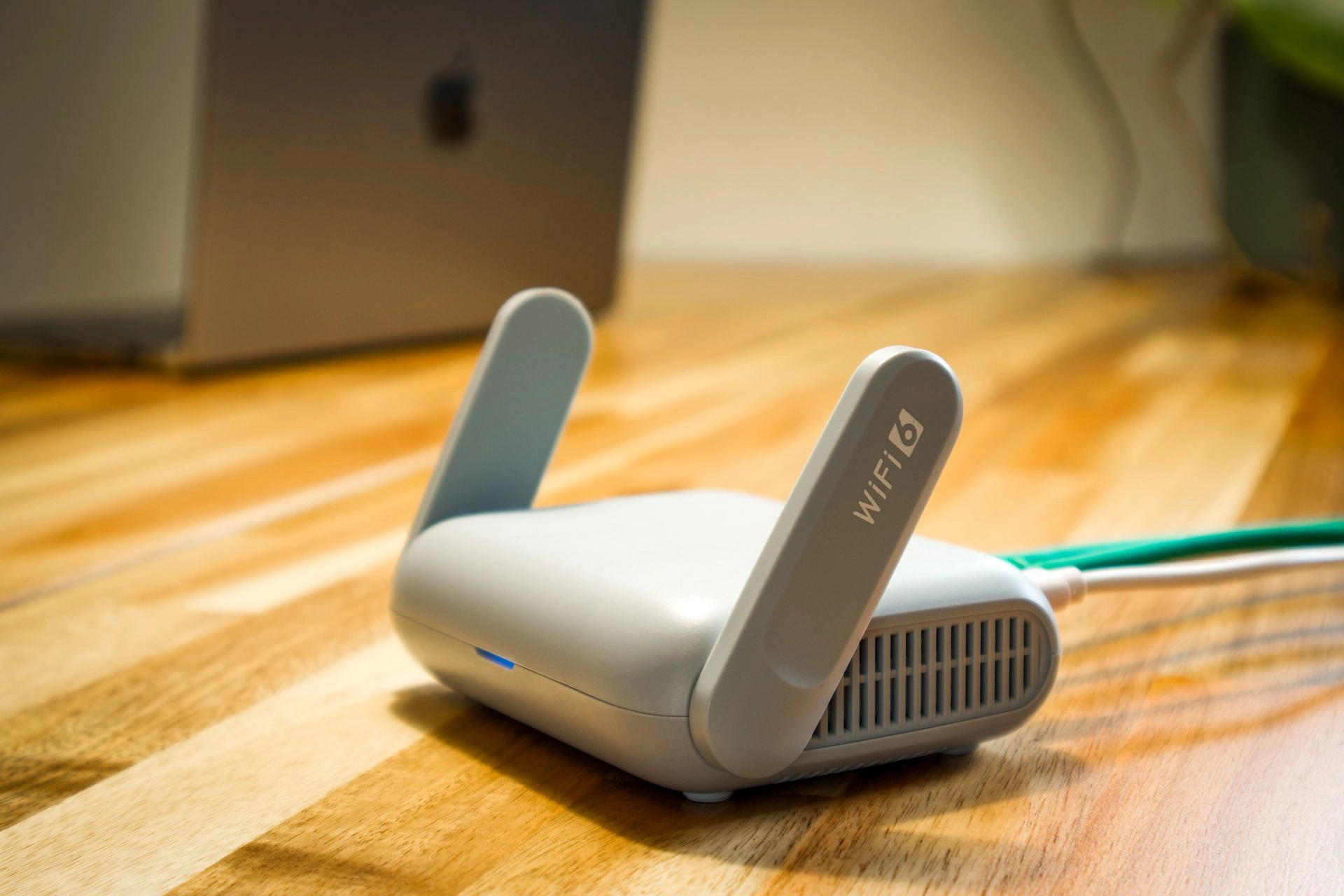
Home routers named ‘Europe’s forgotten internet security risk’
-
AI lab says brain-like engine could slash chatbot bills by 98 per cent
-
The board challenge: why security is no longer an IT problem
-
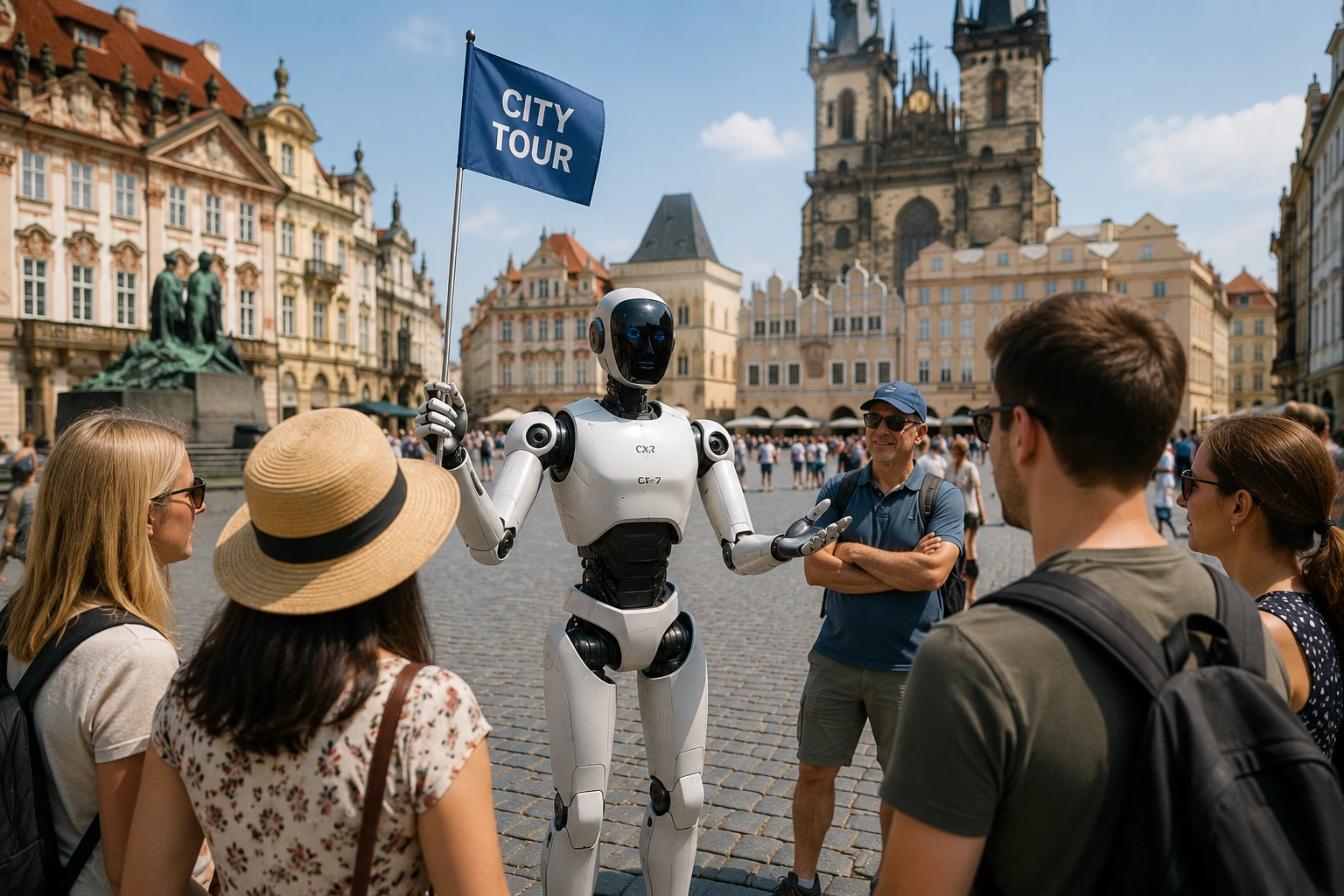
The fist-bumping, selfie-taking humanoid guide that could usher sightseeing tours into the AI age
-
EU says ‘time for change’ on child social media safety after survey links platforms to youth distress
-
UK’s under-16s social media ban risks giving parents false comfort, experts warn
-
Redefining optical gas detection: how Optronics Group is building the future of industrial safety
-
Claude maker Anthropic valued at nearly $1tn after record AI funding round
-
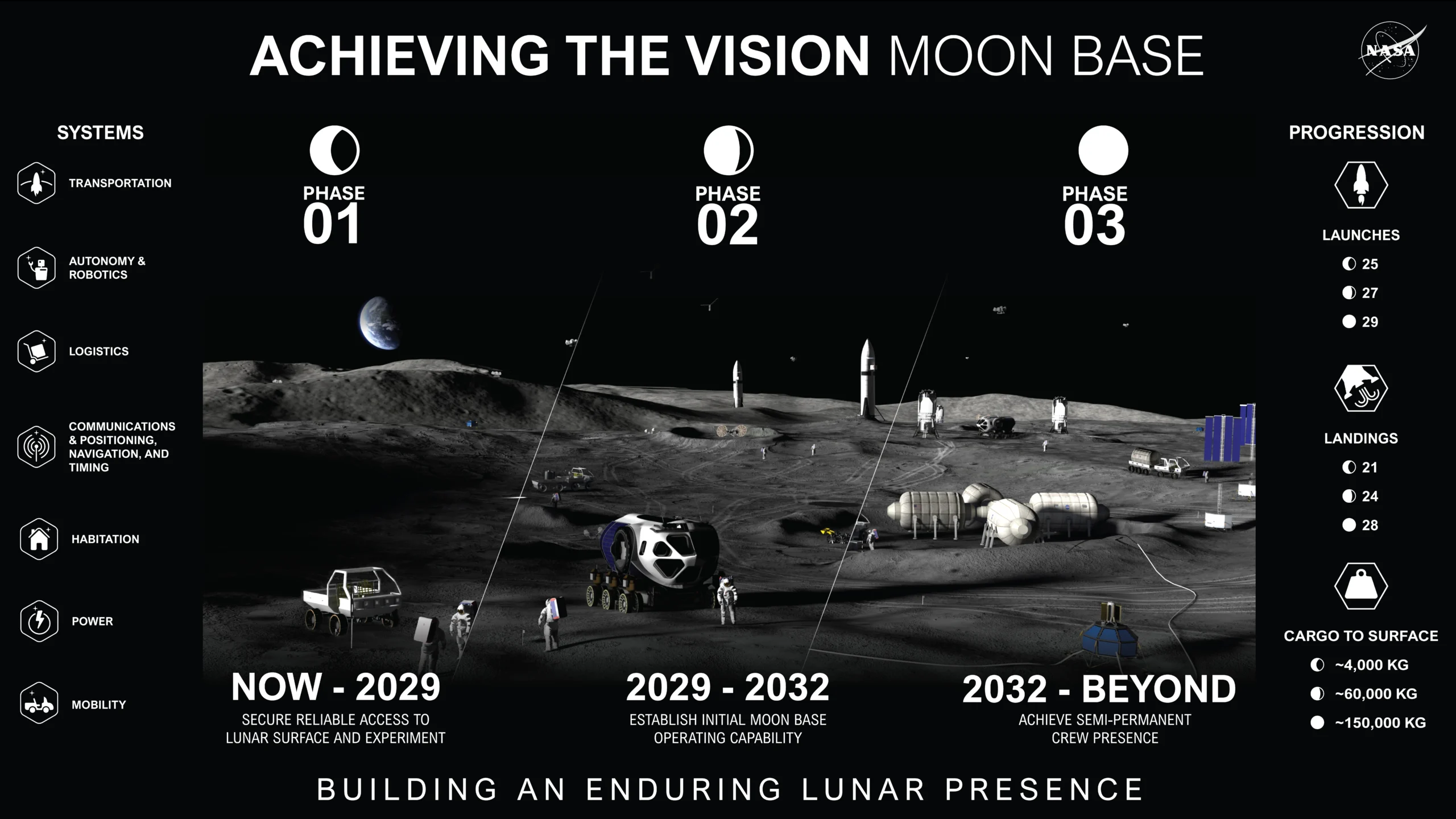
NASA to send rabbit-like drones to scout site for first Moon base
-
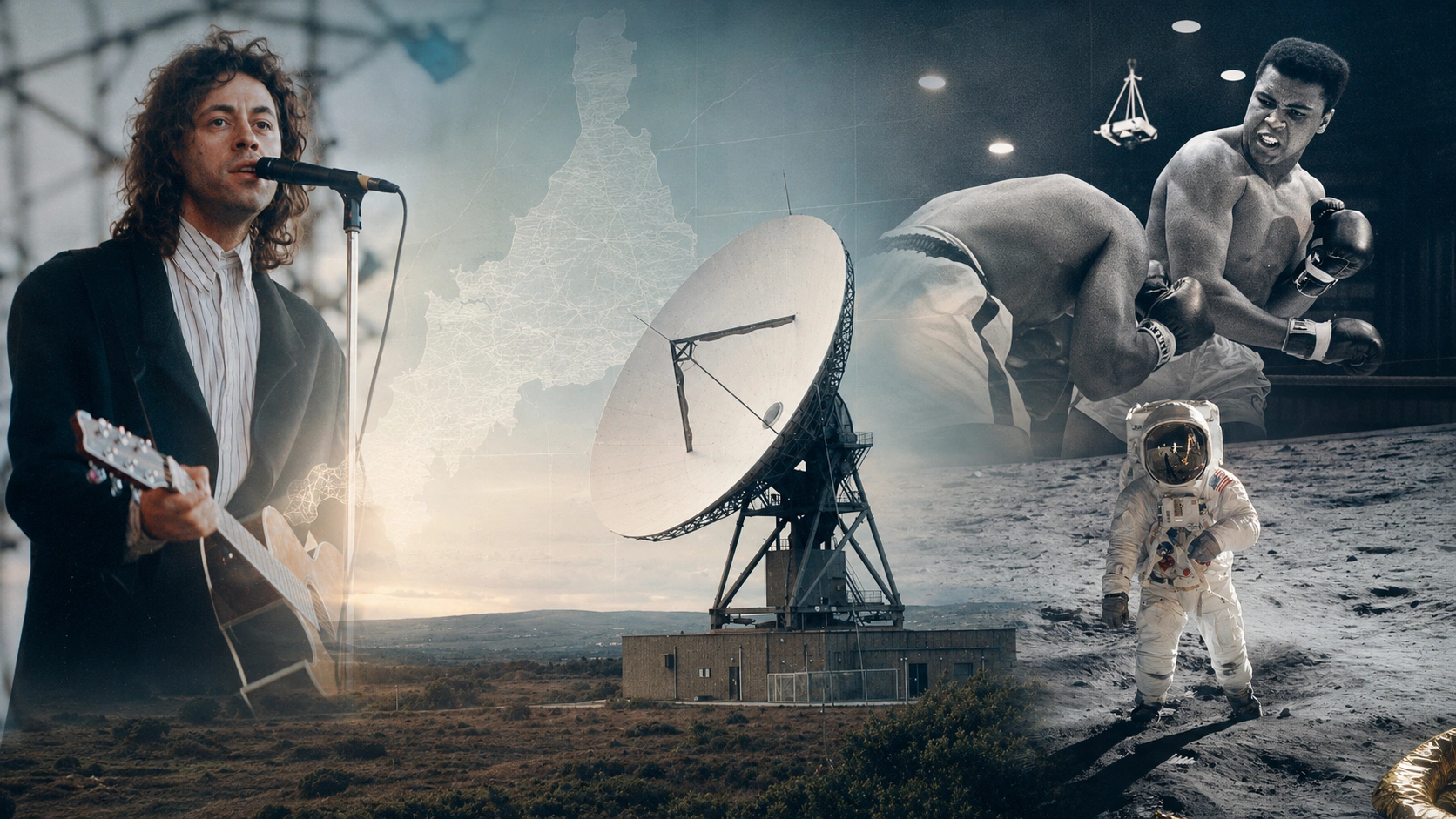
Apollo, Artemis, Ali and Live Aid satellite station set for new Moon role in £37m deal
-
Four forces reshaping cyber risk in 2026
-
Siemens expands rail technology arm with Italian deal
-
Italy draws global tech investors as Europe races to build its own champions
-
Opel turns to Chinese EV technology for new European-built SUV
-
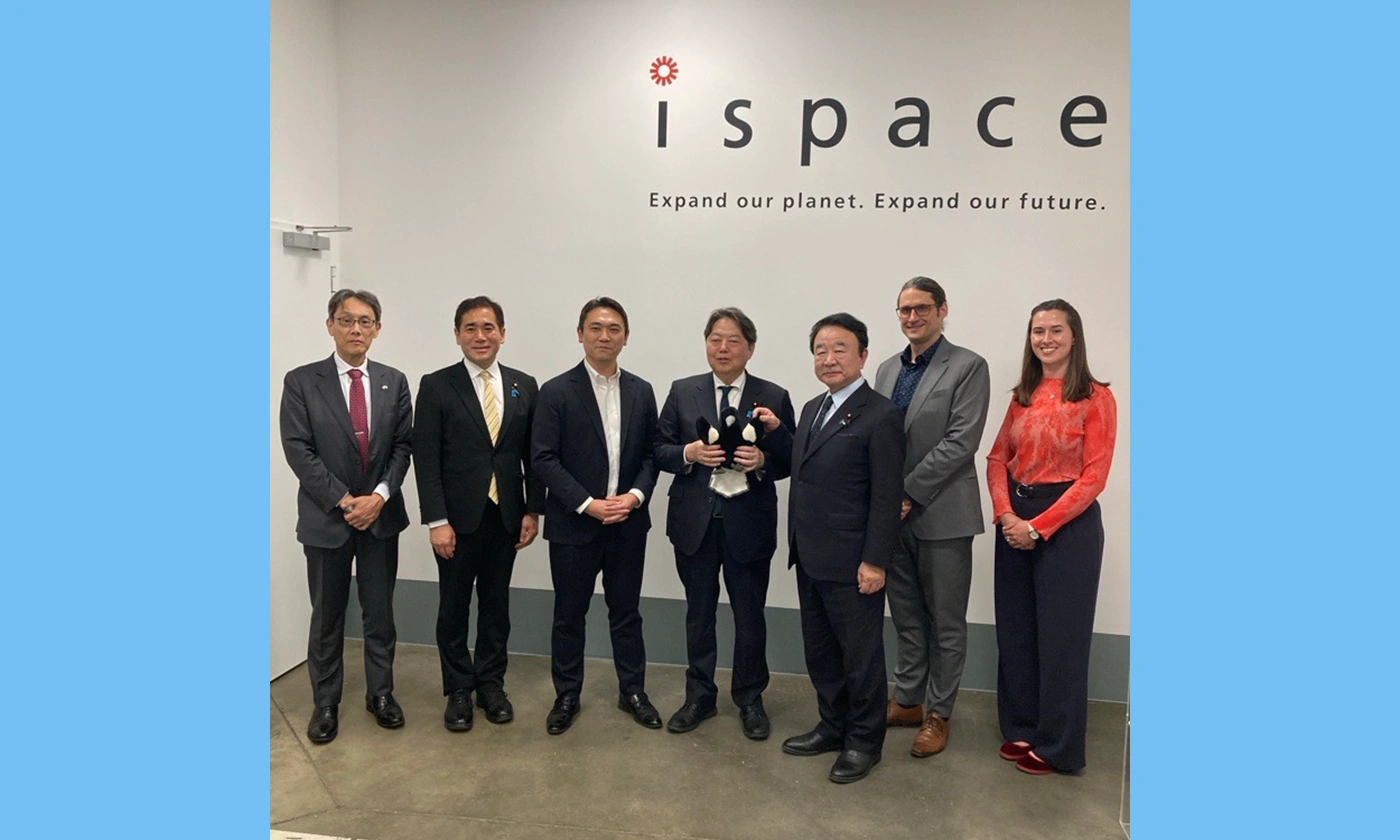
Japan and Luxembourg deepen space ties as lunar race gathers pace

















Human Robot collaboration set to harness Al power
John E. Kaye
- Published
- Home, Technology
TOP STORIES
-
Ulugbek Mirzamukhamedov on how AI could power the 21st-century economy
-
Burnham told to tackle Britain’s cyber weak spots on day one
-
Doctors using AI before health systems set the rules
-
Humanoid robots could become the next K-pop stars
-
Burnham warned digital exclusion is now a national security risk
-
GigaCloud and Cubbit launch sovereign cloud storage for Ukraine and Poland
-
Scientists crack dinosaur egg mystery by building life-size nest
-
WPSL golfers to receive global eSIM access in Yesim partnership
-
Former Kyndryl Germany boss joins Infinigate in growth role
-
Trump threatens 'immediate 100pc tariffs' on European countries over tech taxes
-
Home routers named ‘Europe’s forgotten internet security risk’
-
AI lab says brain-like engine could slash chatbot bills by 98 per cent
-
The board challenge: why security is no longer an IT problem
-
The fist-bumping, selfie-taking humanoid guide that could usher sightseeing tours into the AI age
-
EU says ‘time for change’ on child social media safety after survey links platforms to youth distress
-
UK’s under-16s social media ban risks giving parents false comfort, experts warn
-
Redefining optical gas detection: how Optronics Group is building the future of industrial safety
-
Claude maker Anthropic valued at nearly $1tn after record AI funding round
-
NASA to send rabbit-like drones to scout site for first Moon base
-
Apollo, Artemis, Ali and Live Aid satellite station set for new Moon role in £37m deal
-
Four forces reshaping cyber risk in 2026
-
Siemens expands rail technology arm with Italian deal
-
Italy draws global tech investors as Europe races to build its own champions
-
Opel turns to Chinese EV technology for new European-built SUV
-
Japan and Luxembourg deepen space ties as lunar race gathers pace