Stratospheric telecoms blimp completes “historic” record 12-day flight over Atlantic

John E. Kaye
- Published
- News, Technology
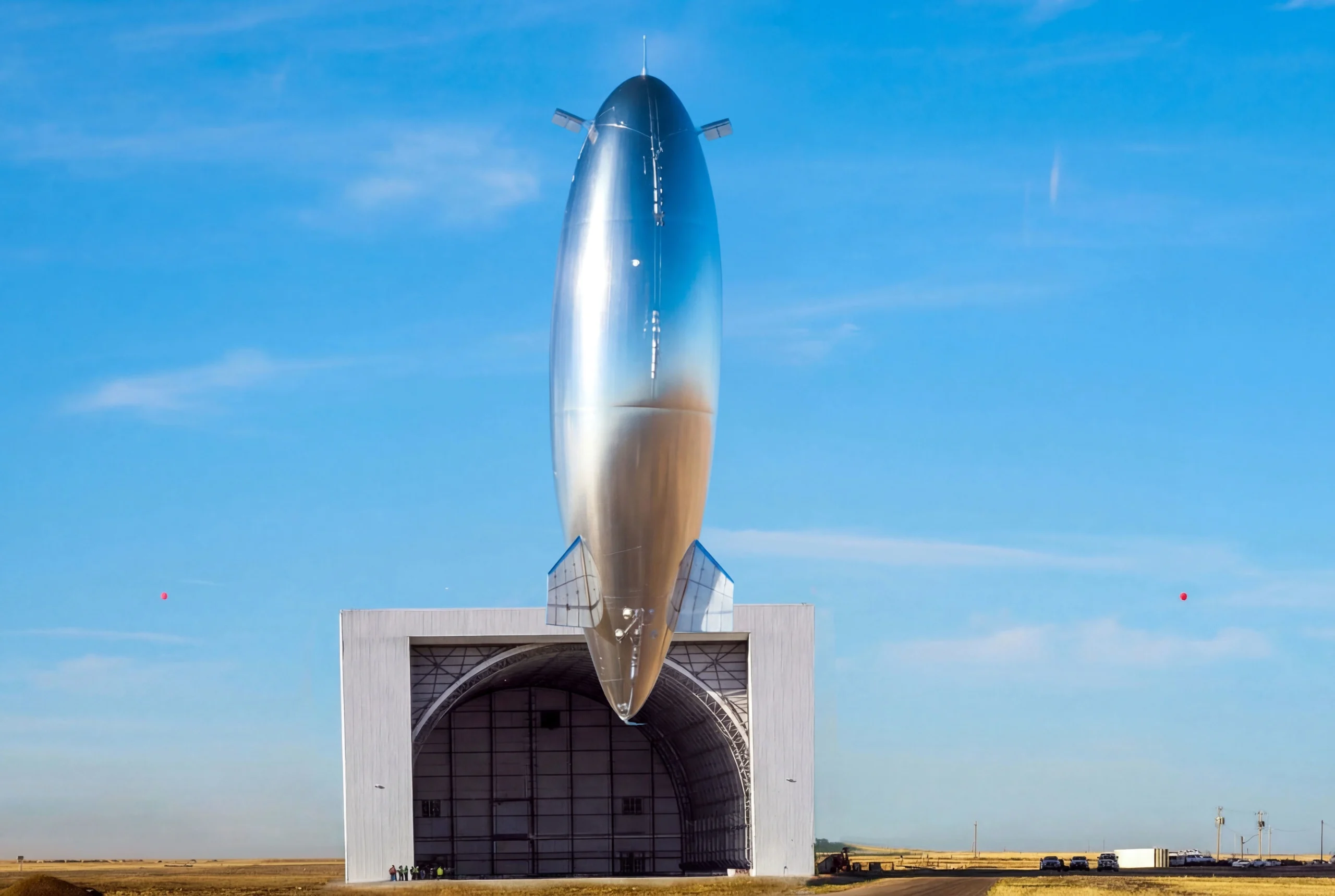
Sceye’s high-altitude aircraft travelled 6,400 miles from New Mexico to waters off Brazil in a test of technology designed to bring mobile signal to areas without ground coverage, with commercial trials now planned in Japan
A blimp designed to beam mobile signal to areas without ground coverage has completed a “historic” record flight over the Atlantic.
The high-altitude platform system (HAP) covered 6,400 miles and spent 12 days in the air while demonstrating the technology.
It flew from New Mexico to international waters off the coast of Brazil and spent more than 88 hours holding position over selected areas at altitudes higher than 52,000ft.
The aircraft, known as the ‘SE2’, used solar power during the day to charge batteries for night-time operation.during which it flew at altitudes higher than 52,000 ft.
Its U.S developer, Sceye, said the test marked the end of its Endurance Program and showed the platform could maintain power, position and altitude through repeated day-night cycles in the stratosphere.
Mikkel Vestergaard Frandsen, founder and chief executive of Sceye, said: “This is the defining step toward unlocking the stratosphere as a new layer of infrastructure.
“Endurance is what makes this possible. The ability to remain over an area for extended periods enables persistent connectivity and real-time monitoring where traditional networks and existing technologies fall short.
“Through the stratosphere, we can extend the reach of existing networks globally to billions of people that are unconnected and provide real-time actionable insights that significantly improve how we prepare for and respond to wildfires or other natural disasters.”
The test built on a 2024 programme in which the company said its platform became the first to stay powered through a full day-night cycle in the stratosphere while maintaining position over an area of operation.
Its latest mission proved the vehicle could maintain pressure through each cycle, validating the design of its first fully in-house manufactured hull.
Sceye said the flight was intended to help move the system closer to commercial deployment by providing the operating data, configuration and flight protocols needed for longer missions.
The firm, which is based in Moriarty, New Mexico, said it was now working towards flights lasting months and eventually years.
Frandsen said: “With this mission, we’re confidently moving forward to our pre-commercial test flights, the first of which is set to launch this summer.
“This milestone is everything we’ve worked towards. This is a huge accomplishment not just for Sceye, but for the fast-growing stratospheric industry. Thank you to our investors, partners, customers, team, and the agencies that made this success possible.”
The company is preparing for its first pre-commercial test flight in Japan this summer, where it aims to connect into SoftBank Corp.’s core network and demonstrate expanded connectivity for emergency and disaster response.
READ MORE: Fly Derri-Air: Giant ‘Mega Booty’ airship to join ‘Flying Bum’. A giant British-built airship capable of carrying 200 passengers and landing on water will hit the skies within a decade, The European understands.
Do you have news to share or expertise to contribute? The European welcomes insights from business leaders and sector specialists. Get in touch with our editorial team to find out more.
Main image: Image of Sceye’s “SE2” HAPS on ascent in New Mexico on March 25, 2026. Credit: Sceye
TOP STORIES
-
 British buyers fuel Greek luxury property boom after non-dom tax change
 -
 New York named world’s most attractive city for tourists
 -
Saab lands German frigate deal after Poland submarine order
-
Students unveil world’s first solar-powered ambulance
-
Burnham told to tackle Britain’s cyber weak spots on day one
-
Doctors using AI before health systems set the rules
-
Humanoid robots could become the next K-pop stars
-
Hormuz flashpoint keeps global shipping on high alert
-
Scientists to gather in Lisbon to tackle next pandemic threats
-
Burnham warned digital exclusion is now a national security risk
-
Masts from Kent ‘doomsday wreck’ to be cut to prevent catastrophic explosion
-
GigaCloud and Cubbit launch sovereign cloud storage for Ukraine and Poland
-
Tributes paid to ‘forthright and fearless’ Ann Widdecombe
-
Boeing to debut Ghost Bat drone at Farnborough Airshow
-
Reeves opens ‘£2bn lifeline’ for small firms
-
Babymoon boom: Rhodes crowned 2026's top pre-baby escape as Salcombe leads UK getaway list
-
Xavier Niel to become Vodafone’s largest shareholder in £4.4bn deal
-
Two-thirds of lawyers say strong legal claims are dropped because of cost
-
UK government must "think again" about small business plan
-
Lockheed Martin pushes European missile expansion at NATO summit
-
Britain's new homes face 2050s heat test as experts warn of overheating crisis
-
Sky agrees £1.6bn deal to buy ITV’s broadcasting and streaming arm
-
Scientists crack dinosaur egg mystery by building life-size nest
-
Nobel laureate Omar Yaghi launches global science network
-
Cardiff drivers safest in Britain as London comes last