South African students develop tech concept to tackle hunger using AI and blockchain

John E. Kaye
- Published
- News, Technology
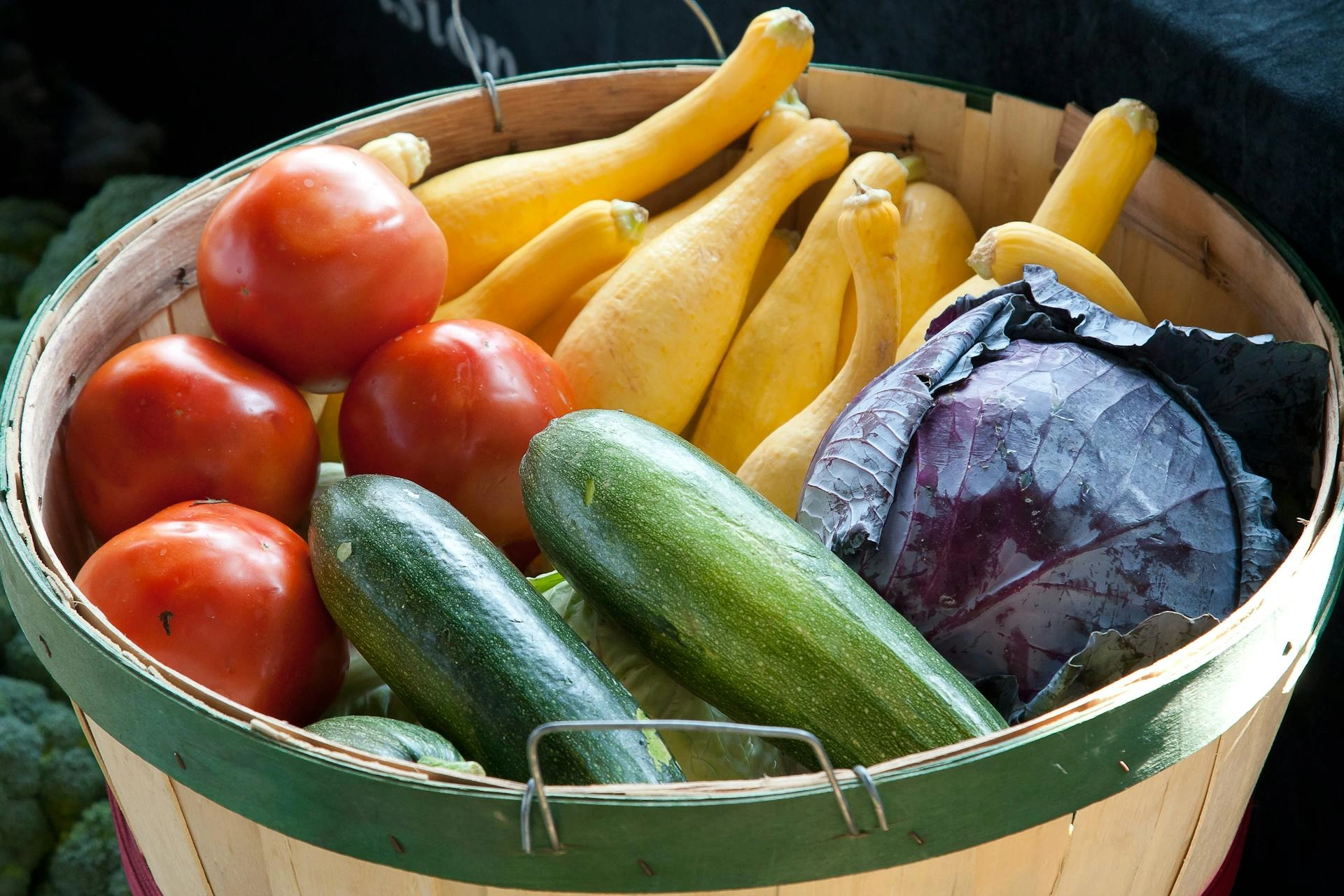
A team of young South African developers has designed an app to redirect surplus and ‘wonky’ farm produce to hungry families — one of several award-winning ideas at KFC Africa’s Biggest Hunger Hack, a national challenge using technology to fight child hunger
A prototype app that rescues “ugly” fruit and vegetables from farms and redirects them to food-insecure families has been named the winning concept in a national hackathon aimed at tackling South Africa’s hunger crisis.
The app, Misfits Mzansi, was devised by a team called ‘Ctrl-Alt-Del-Hunger’ and uses data-driven logistics and social engagement tools to reduce waste and channel food to households most in need. Users will also be able to take part in short cooking challenges and ad-funded content that turns every view into a micro-donation. “You become a philanthropist just by watching a video,” the team said.
The idea emerged from The Biggest Hunger Hack, a week-long innovation challenge hosted by KFC Africa ahead of World Food Day earlier this month. Sixty Gen Z developers competed to design digital solutions that could modernise Add Hope, the company’s hunger-relief initiative. Potential seed funding of up to R1 million will be allocated to develop the winning project.
KFC Add Hope currently supports more than 3,300 feeding centres and reached 154,000 children last year through millions of R2 customer donations. The hackathon invited participants to re-engineer the programme’s open-source framework using artificial intelligence, blockchain, data visualisation and social-media tools to improve transparency and reach.
Other prototypes included Hack 4 Hope’s blockchain-based WhatsApp chatbot, allowing donors to scan QR codes from till slips and trace each R2 contribution from payment to meal served, and Bit Coders’ AI-driven donation platform using MTN’s MoMo API for instant payments and tax receipts. Streetwise Scripters proposed a “TikTok-to-Till” campaign linking online storytelling with a real-time donor dashboard and KFC loyalty-rewards integration.
“The Biggest Hunger Hack showed what happens when young digital natives use tech for good,” Andra Nel, KFC Africa’s Head of Brand Purpose and ESG, said. “They understand hunger because many have lived it, and they understand technology because they were born into it. That’s the sweet spot for innovation with purpose.”
Business, government and non-profit representatives attended the final in Johannesburg, where teams pitched their concepts to potential partners. Nel said pilot programmes with existing Add Hope organisations are now being explored, with results expected before the National Convention on Child Hunger next year.
“Opening up Add Hope as an open-source blueprint has unleashed an outpouring of ubuntu that’s turning this fight into a movement,” she said. “These Gen Z hackers showed how tech can supercharge reach and transparency. Now the goal is to turn their best concepts into live pilots with our 128 feeding partners.”
The Misfits Mzansi app remains in development. KFC Africa said potential funding and collaboration with Add Hope partners could help move the concept from prototype to live pilot stage in the coming months.
READ MORE: ‘UK to host African Development Fund summit as Africa pushes for food self-sufficiency’. As the UK prepares to host a major African Development Fund summit, new projects in Zambia and calls for farmer-led resilience are highlighting how development finance is reshaping Africa’s future.
Do you have news to share or expertise to contribute? The European welcomes insights from business leaders and sector specialists. Get in touch with our editorial team to find out more.
Main image: Mark Stebnicki/Pexels
TOP STORIES
-
 British buyers fuel Greek luxury property boom after non-dom tax change
 -
 New York named world’s most attractive city for tourists
 -
Saab lands German frigate deal after Poland submarine order
-
Students unveil world’s first solar-powered ambulance
-
Burnham told to tackle Britain’s cyber weak spots on day one
-
Doctors using AI before health systems set the rules
-
Humanoid robots could become the next K-pop stars
-
Hormuz flashpoint keeps global shipping on high alert
-
Scientists to gather in Lisbon to tackle next pandemic threats
-
Burnham warned digital exclusion is now a national security risk
-
Masts from Kent ‘doomsday wreck’ to be cut to prevent catastrophic explosion
-
GigaCloud and Cubbit launch sovereign cloud storage for Ukraine and Poland
-
Tributes paid to ‘forthright and fearless’ Ann Widdecombe
-
Boeing to debut Ghost Bat drone at Farnborough Airshow
-
Reeves opens ‘£2bn lifeline’ for small firms
-
Babymoon boom: Rhodes crowned 2026's top pre-baby escape as Salcombe leads UK getaway list
-
Xavier Niel to become Vodafone’s largest shareholder in £4.4bn deal
-
Two-thirds of lawyers say strong legal claims are dropped because of cost
-
UK government must "think again" about small business plan
-
Lockheed Martin pushes European missile expansion at NATO summit
-
Britain's new homes face 2050s heat test as experts warn of overheating crisis
-
Sky agrees £1.6bn deal to buy ITV’s broadcasting and streaming arm
-
Scientists crack dinosaur egg mystery by building life-size nest
-
Nobel laureate Omar Yaghi launches global science network
-
Cardiff drivers safest in Britain as London comes last