The EU is considering a climate target for every decade

John E. Kaye
- Published
- News, Sustainability
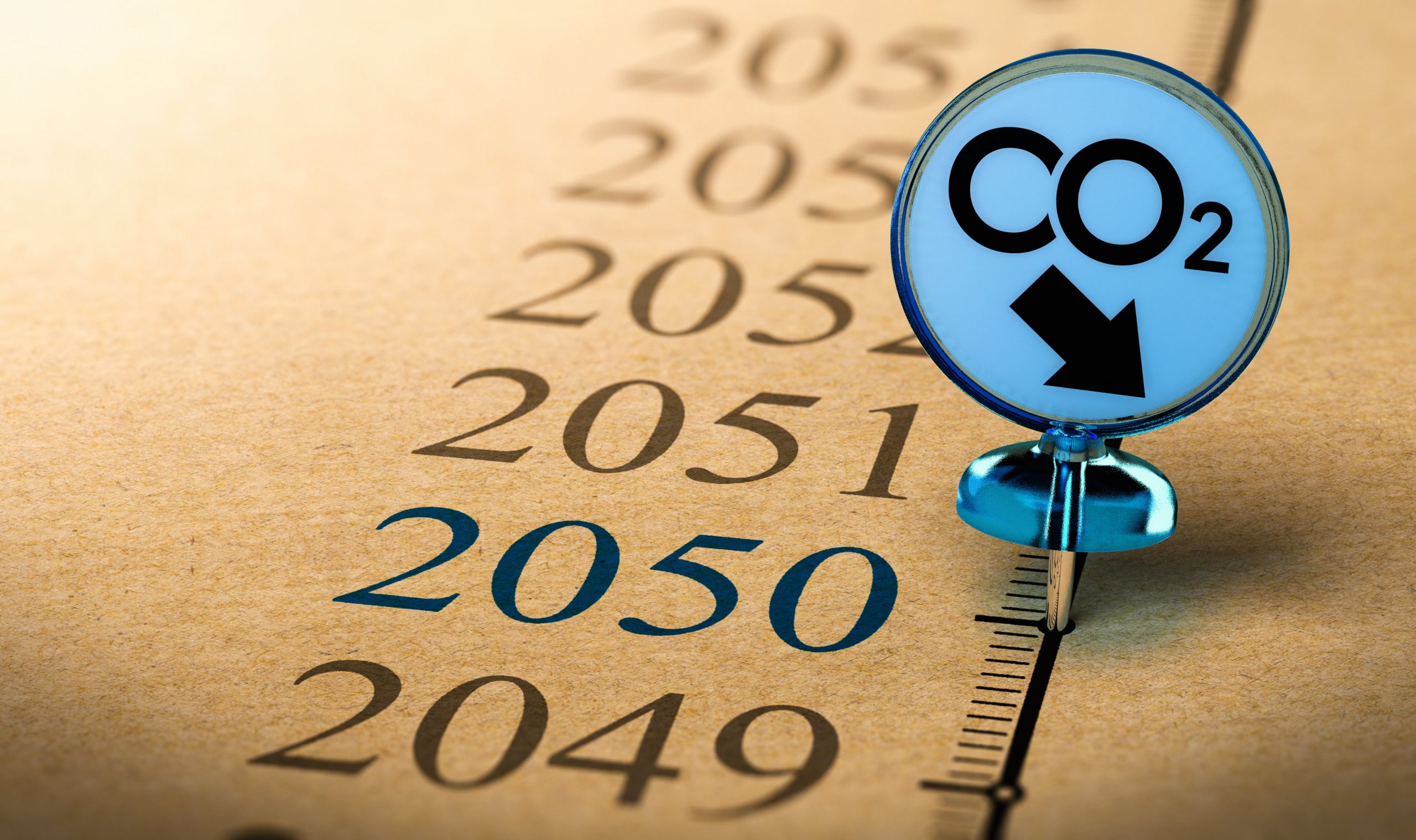
European Union (EU) countries are taking into consideration a new climate target for 2040, to give the bloc an emissions-cutting goal for each decade between now and 2050, when it hopes to reach “net zero” emissions, under proposals seen by Reuters.
To make its climate targets legally binding, the EU is aiming to strike a deal this year and member states will start discussions about the topic next week.
Germany, the lead in talks between the countries, is proposing to fix a new EU emissions reduction target for 2040 to keep countries on track for the bloc’s flagship goal to become climate neutral by 2050.
“Where it is necessary for the achievement of the climate neutrality objective… a Union-wide climate target for 2040 shall be set,” the document said.
Currently, the EU has emissions reduction goals for 2020, 2030 and 2050.
The climate law will need approval from EU member states and the European Parliament. While the 2040 target is unlikely to be a point of contention, lawmakers and countries are split over how strict other parts of the law should be.
The German proposal would enforce the EU’s 2050 net zero emissions target at an EU-wide level.
Members of the parliament, who will attempt to agree their position on the law next week, want a binding commitment for every member state to decarbonize by 2050.
This is opposed by eastern countries who say the goal is unrealistic but supported by campaigners who say it is aligned with the emissions pathway scientists say would avoid the most severe impacts of climate change.
“This should be a no brainer,” Greenpeace climate policy adviser Sebastian Mang said, of setting national 2050 climate neutrality goals.
Reported by Kate Abnet
Sourced Reuters
For more Energy and Daily news follow The European Magazine
Follow us on
TOP STORIES
-
 British buyers fuel Greek luxury property boom after non-dom tax change
 -
 New York named world’s most attractive city for tourists
 -
Saab lands German frigate deal after Poland submarine order
-
Students unveil world’s first solar-powered ambulance
-
Burnham told to tackle Britain’s cyber weak spots on day one
-
Doctors using AI before health systems set the rules
-
Humanoid robots could become the next K-pop stars
-
Hormuz flashpoint keeps global shipping on high alert
-
Scientists to gather in Lisbon to tackle next pandemic threats
-
Burnham warned digital exclusion is now a national security risk
-
Masts from Kent ‘doomsday wreck’ to be cut to prevent catastrophic explosion
-
GigaCloud and Cubbit launch sovereign cloud storage for Ukraine and Poland
-
Tributes paid to ‘forthright and fearless’ Ann Widdecombe
-
Boeing to debut Ghost Bat drone at Farnborough Airshow
-
Reeves opens ‘£2bn lifeline’ for small firms
-
Babymoon boom: Rhodes crowned 2026's top pre-baby escape as Salcombe leads UK getaway list
-
Xavier Niel to become Vodafone’s largest shareholder in £4.4bn deal
-
Two-thirds of lawyers say strong legal claims are dropped because of cost
-
UK government must "think again" about small business plan
-
Lockheed Martin pushes European missile expansion at NATO summit
-
Britain's new homes face 2050s heat test as experts warn of overheating crisis
-
Sky agrees £1.6bn deal to buy ITV’s broadcasting and streaming arm
-
Scientists crack dinosaur egg mystery by building life-size nest
-
Nobel laureate Omar Yaghi launches global science network
-
Cardiff drivers safest in Britain as London comes last