EXCLUSIVE: Nations meet to discuss concern over Mexico energy policy

John E. Kaye
- Published
- News, Sustainability
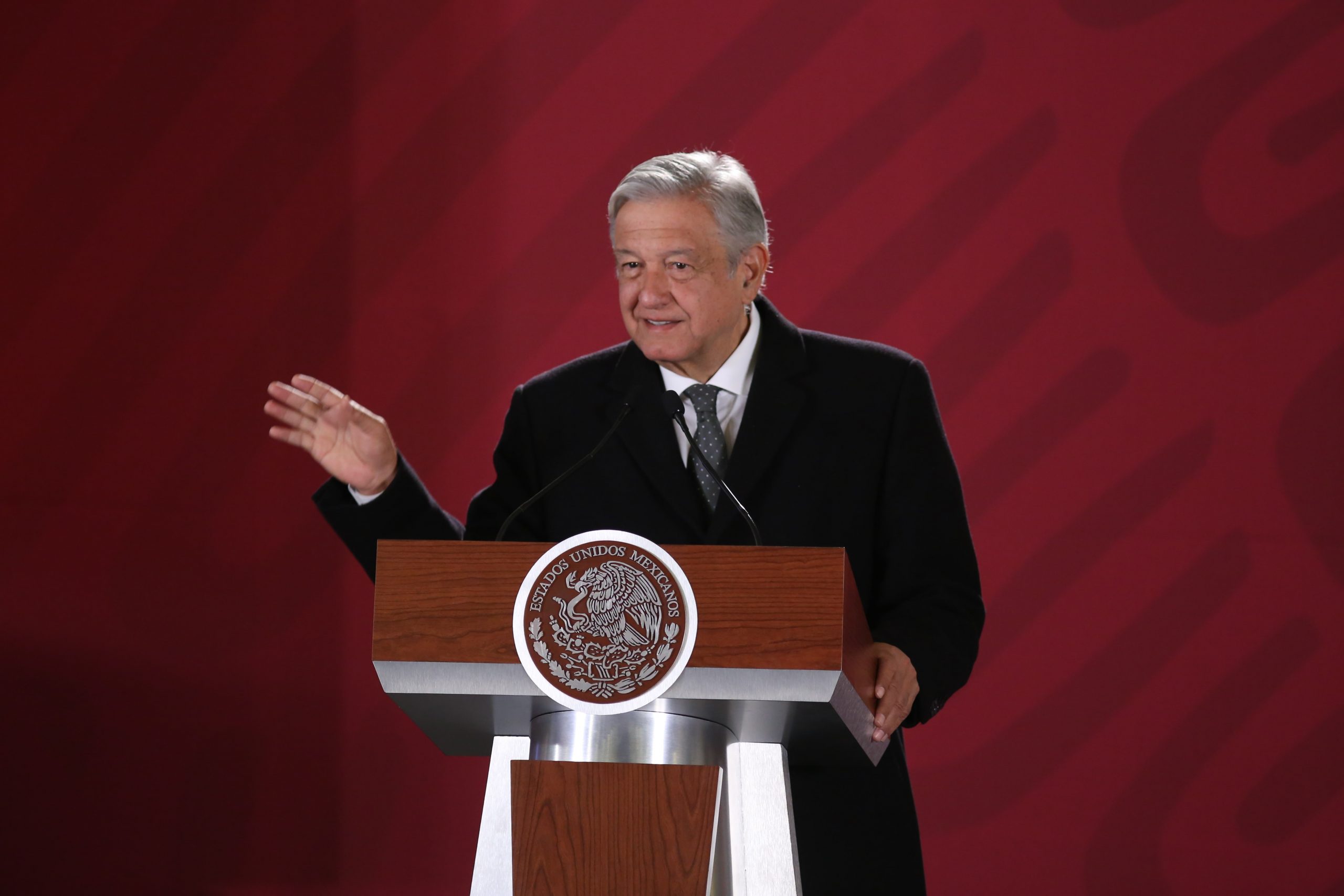
The United States, the European Union, Canada and six European nations have held joint talks on concerns over Mexico’s energy policy, sources told Reuters, as President Andres Manuel Lopez Obrador pushes for a bigger role for the state in the sector.
The unusually broad diplomatic encounter is a result of how the President’s break with the energy policy of the previous government is worrying economies that have traditionally been some biggest foreign investors of Mexico.
U.S., Canadian and European officials privately voice concern that Mexico’s energy policy is eroding the legal foundations of contracts worth billions of dollars with the previous administration, in what they fear is a creeping squeeze-out of their interests.
Mexico’s government denies it is undermining those deals, but says prior contracts were often damaging to the country and has sought to renegotiate the terms of some.
Last week’s Friday meeting in Mexico City hosted by the U.S. embassy, diplomats from Britain, Canada, the EU, France, Germany, Italy, the Netherlands and Spain discussed their concerns and how best to relay them to Lopez Obrador, stated five people familiar with the gathering.
Asked for comment, the U.S. embassy responded to Reuters that it did not discuss its diplomatic conversations. The other foreign embassies did not reply to requests for comment, nor did Lopez Obrador’s office.
Details of what occurred at the meeting were not immediately clear, although there was discussion about whether to make it public, said one person. All the sources spoke on condition of anonymity, due to the sensitivity of the matter.
Diplomats say foreign government differ in their opinions of how openly to communicate their grievances to Lopez Obrador, lest he feel he is being pushed about and ends up taking a more hard-line approach.
Lopez Obrador has committed himself to strengthening the state’s role in the energy sector, arguing that past market liberalization and privatization of other industries deepened chronic inequality in Mexico and encouraged corruption.
In Mexico last year, broader concerns over Lopez Obrador’s economic policies sapped investment and contributed to a slowdown that pushed the economy into a mild recession.
Companies from around the world pledged to invest billions of dollars in Mexico under constitutional changes to open the energy market, for oil and gas, made by Lopez Obrador’s centrist predecessor, Enrique Pena Nieto.
Lopez Obrador has put the brakes on that liberalization process, saying it has not yielded benefits for Mexico.
One dispute centre on who has the right to operate a major offshore crude discovery in a reservoir straddling area held by state oil firm Petroleos Mexicanos (Pemex) and a U.S.-led consortium of private investors.
Last year, Lopez Obrador’s government also upset some countries by threatening to tear up about $12 billion in contracts agreed under Pena Nieto for construction of a string of natural gas pipelines, arguing they ripped off taxpayers.
Eventhough, that dispute was eventually resolved, fresh conflicts have surfaced.
Government steps to strengthen the state power utility Comision Federal de Electricidad (CFE) have reduced incentives for private capital to enter renewable projects, further clouding investor confidence in Mexico.
Some of the money tied up in energy investments in Mexico is linked to pension funds in Europe and North America. Critics of the government’s policies worry that diminishing returns on those Mexican energy investments may hit pensioners.
Reporting by Dave Graham
Sourced Reuters
For the Daily News and Banking & Finance follow The European Magazine.
TOP STORIES
-
 British buyers fuel Greek luxury property boom after non-dom tax change
 -
 New York named world’s most attractive city for tourists
 -
Saab lands German frigate deal after Poland submarine order
-
Students unveil world’s first solar-powered ambulance
-
Burnham told to tackle Britain’s cyber weak spots on day one
-
Doctors using AI before health systems set the rules
-
Humanoid robots could become the next K-pop stars
-
Hormuz flashpoint keeps global shipping on high alert
-
Scientists to gather in Lisbon to tackle next pandemic threats
-
Burnham warned digital exclusion is now a national security risk
-
Masts from Kent ‘doomsday wreck’ to be cut to prevent catastrophic explosion
-
GigaCloud and Cubbit launch sovereign cloud storage for Ukraine and Poland
-
Tributes paid to ‘forthright and fearless’ Ann Widdecombe
-
Boeing to debut Ghost Bat drone at Farnborough Airshow
-
Reeves opens ‘£2bn lifeline’ for small firms
-
Babymoon boom: Rhodes crowned 2026's top pre-baby escape as Salcombe leads UK getaway list
-
Xavier Niel to become Vodafone’s largest shareholder in £4.4bn deal
-
Two-thirds of lawyers say strong legal claims are dropped because of cost
-
UK government must "think again" about small business plan
-
Lockheed Martin pushes European missile expansion at NATO summit
-
Britain's new homes face 2050s heat test as experts warn of overheating crisis
-
Sky agrees £1.6bn deal to buy ITV’s broadcasting and streaming arm
-
Scientists crack dinosaur egg mystery by building life-size nest
-
Nobel laureate Omar Yaghi launches global science network
-
Cardiff drivers safest in Britain as London comes last